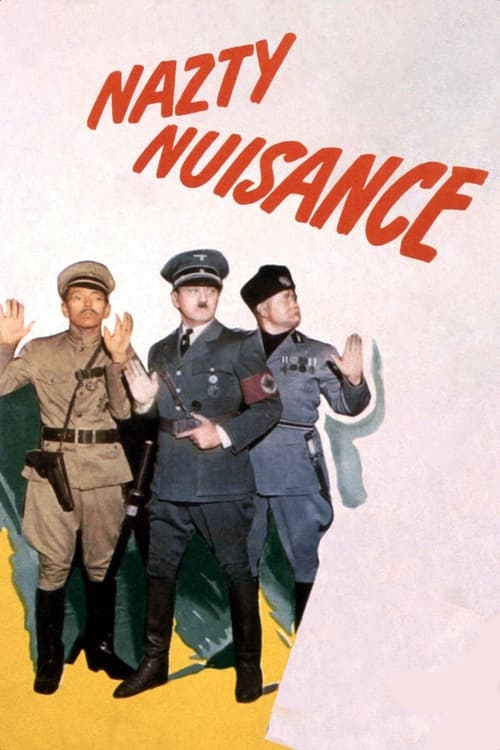
Nazty Nuisance
1943
No user ratings available yet
Diversity score: 1.4 out of 10
1943
NRDirector
Wilhelm Thiele
Runtime
76 minutes
Average Rating
No ratings yetSynopsis
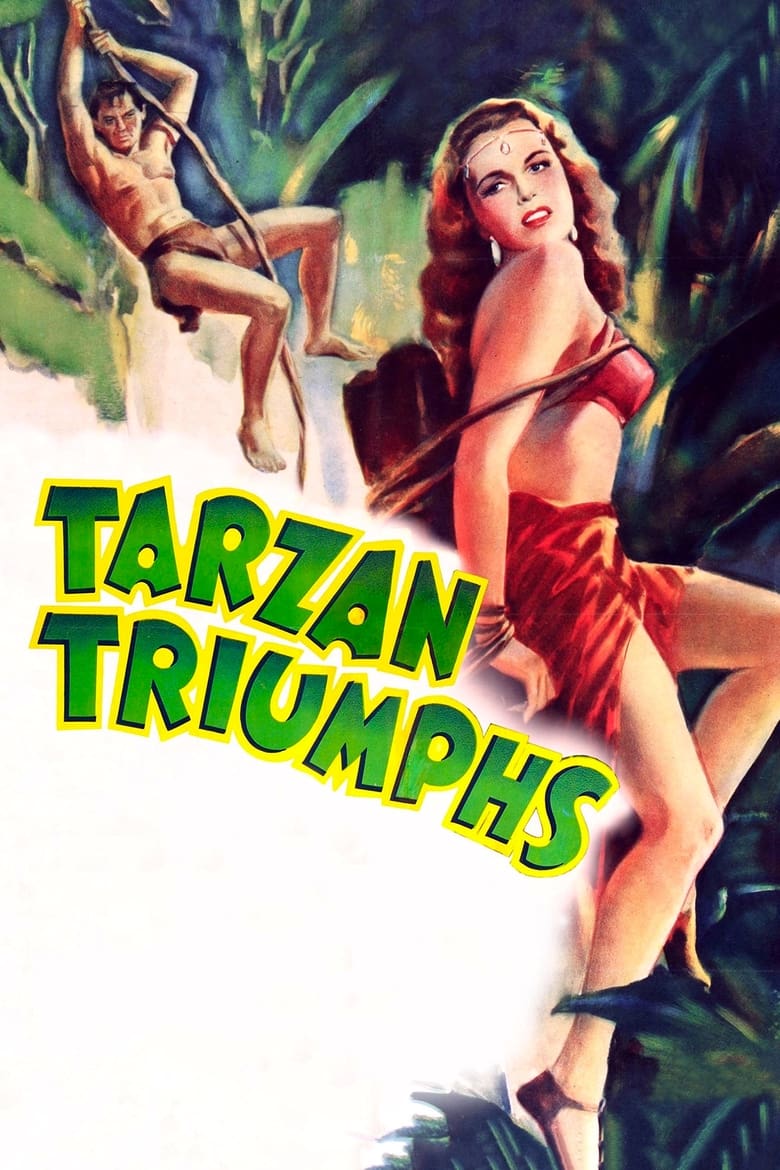
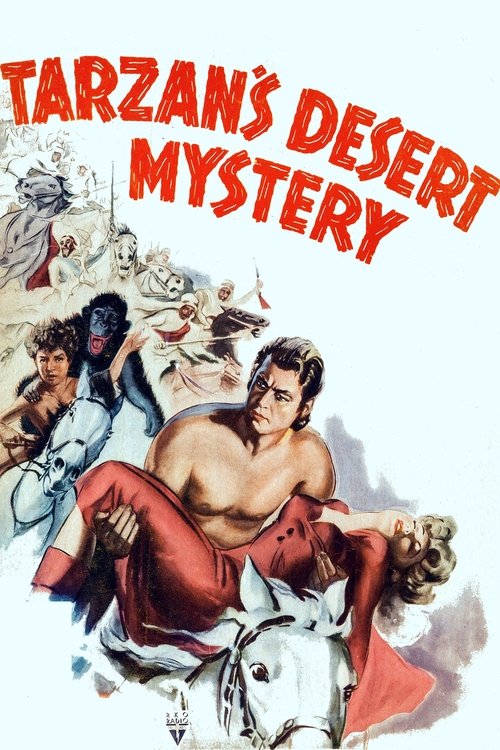
Zandra, white princess of a lost civilization, comes to Tarzan for help when Nazis invade the jungle with plans to conquer her people and take their wealth. Tarzan, the isolationist, becomes involved after the Nazis shoot at him and capture Boy: "Now Tarzan make war!"
Overall Score
Minimal
Category Breakdown
LGBTQ+ Representation
The film adheres strictly to heteronormative structures. There is no evidence of non-cisnormative gender identities or same-sex intimacy, focusing instead on the established Tarzan-Jane dynamic.
Gender Representation
Jane is positioned within a traditional 'damsel in distress' framework. Female characters largely function in submissive or secondary roles that reinforce the conventional gender hierarchies of the 1940s.
Racial & Ethnic Diversity
The cast is predominantly white, featuring a white protagonist and a white princess. Indigenous characters are relegated to the periphery, appearing as secondary figures without individual agency or depth.
Religious & Cultural Diversity
The narrative reinforces Western hero archetypes and wartime-era patriotism. It operates within a traditional moral framework without deconstructing Western institutions or presenting diverse cultural perspectives.
Disability Representation
There is no discernible representation of physical or neurodivergent disabilities. Characters are portrayed through the lens of physical vitality and standard action-hero archetypes.
Strengths
Areas for Improvement
AI Analysis
Tarzan Triumphs functions as a conventional adventure serial that reinforces the social hierarchies of 1943. The narrative architecture centers on a white protagonist as the primary agent of change, while female characters serve as catalysts for male agency rather than driving the plot themselves. The film relies heavily on colonial-era tropes, placing indigenous populations in the background of a conflict between white protagonists and white antagonists. This creates a Western-centric worldview where the jungle serves merely as a backdrop for traditional moral struggles. Ultimately, the film does not attempt to critique or disrupt the cultural norms of its era. It instead embraces established archetypes of protection and heroism that align with mid-20th-century studio standards.
1943
1999
1999
1943
No reviews yet. Be the first to share your thoughts on this movie!
Use the rating form above to leave a star rating and optional review.