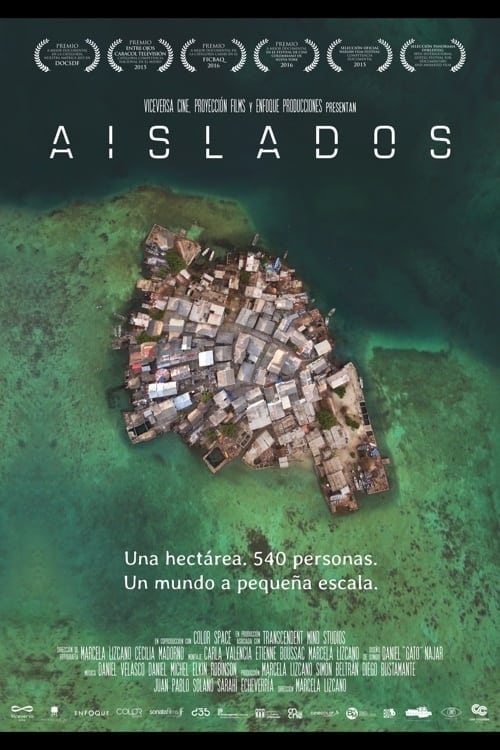
Isolated
2015
No user ratings available yet
Representation score: 7.7 out of 10

Representation Score
Good
2005
Director
Raya Martin
Runtime
106 minutes
Average Rating
No ratings yetNew Showbiz Analysis
Raya Martin’s documentary is a powerful piece of ethnographic cinema that shifts the power dynamic from the filmmaker to the subject. By centering the Itbayat islanders, the film provides a platform for a localized, non-Western identity to exist on its own terms. The film's primary strength is its refusal to impose Western social hierarchies or development models on the community. Instead, it documents a way of life that is inherently resistant to the homogenizing forces of modernity. While the film succeeds in cultural and ethnic centering, it lacks specific evidence regarding LGBTQ+ identities or disability representation. However, its structural approach avoids the typical pitfalls of the ethnographic genre.
Category Breakdown
The film avoids a narrow focus on straight relationships by letting inhabitants tell their own stories. Specific non-cisgender identities are not confirmed, but the story structure challenges traditional observer roles.
The documentary challenges the cliché of the heroic male explorer by emphasizing the collective role of women in the community. Women are shown as key contributors to the cultural continuity of the community.
This work centers an indigenous, non-Western community. The inhabitants of the Batan group have a significant role in defining their own identities outside of colonial perspectives.
The film prioritizes local knowledge over Western academic or religious frameworks. It portrays the community's isolation as a valid, autonomous way of life resistant to global capitalism.
There is insufficient information to assess how physical or neurodivergent disabilities are portrayed within the community.
Present on Screen
Limited or Absent
Official Synopsis
Martin travels to Itbayat island, of the Batan group, on the far north of the Phillipines, to record the customs of its inhabitants and their life away from modern civilization. Itbayat is open to visitors only in the summer; the storms raging in the region completely isolate the islanders for the rest of the year. The camera gives them the chance to tell their stories. “I was interested in understanding the characteristics of the community beyond its practices and traditions”, says the director. Winner of the Best Documentary award at the .MOV, Manila’s alternative festival dedicated to digital film.
2015
2013
2012
2010

2015
2004
1989
2017
No reviews yet. Be the first to share your thoughts on this movie!
Use the rating form above to leave a star rating and optional review.