Behind the Fright: The Making of American Horror Story
2012
No user ratings available yet
Diversity score: 5.2 out of 10
2004
TV-14Director
Rick Hull
Runtime
50 minutes
Average Rating
No ratings yetSynopsis
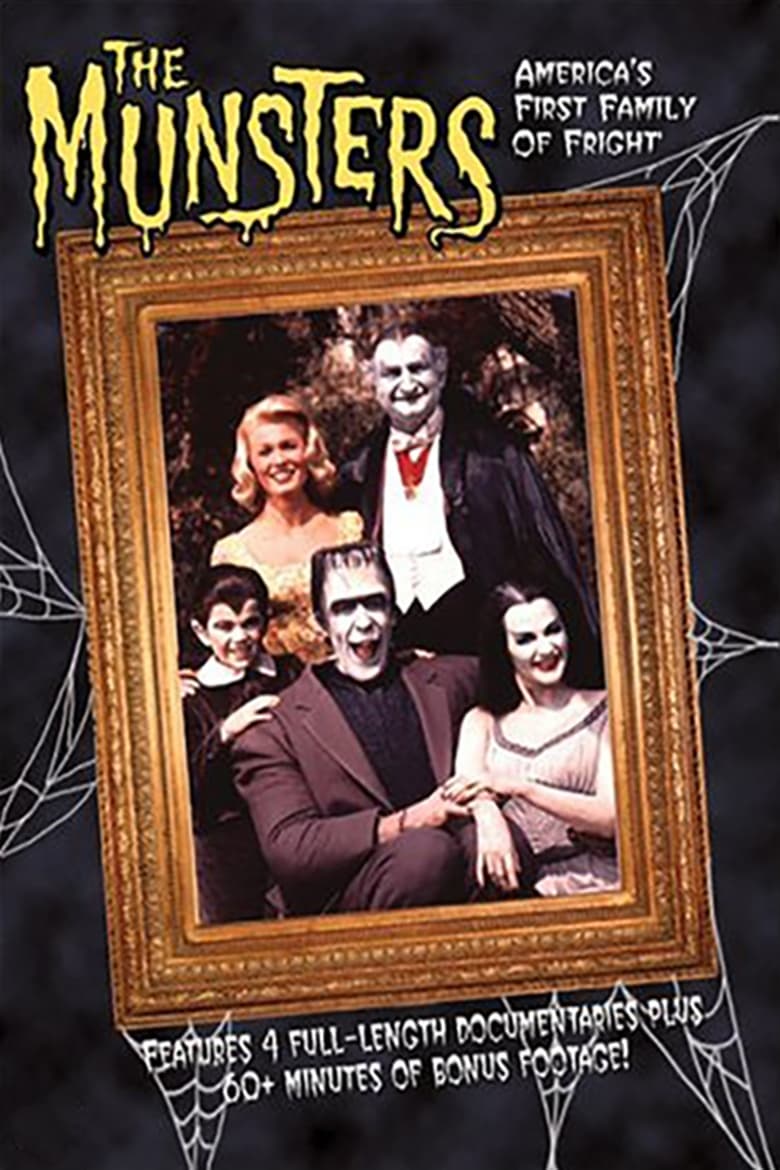
Little-known facts about the 1960s television series "The Munsters" abound in this documentary that details the show's conception, development and success through cast and crew interviews, rare footage and scenes from the show. The program, which details the behind-the-scenes antics of the classic hit comedy, also includes biographical documentaries of actors Fred Gwynne, Yvonne De Carlo and Al Lewis.
Overall Score
Fair
Category Breakdown
LGBTQ+ Representation
The documentary functions as a biographical study of the original cast. It lacks explicit queer identity representation or contemporary identity-focused storytelling.
Gender Representation
The film highlights the subversion of mid-century domestic tropes through Lily Munster. It provides a nuanced look at female agency via Yvonne De Carlo’s career.
Racial & Ethnic Diversity
The production focuses on a predominantly white cast and crew. It explores the family's 'otherness' as a metaphor but lacks intersectional racial dynamics.
Religious & Cultural Diversity
The documentary examines a property that historically challenged traditional Western social norms. It prioritizes individual experience over rigid institutional or religious morality.
Disability Representation
The film does not focus on disability as a central theme. It treats monstrous aesthetics as character archetypes rather than exploring lived experiences of disability.
Strengths
Areas for Improvement
AI Analysis
This documentary serves as a historical retrospective of a 1960s sitcom. Its value lies in examining how the original series disrupted conventional American family expectations through its non-conformist domesticity. However, the film remains a traditional biographical study. It operates within the historical constraints of its subject matter, focusing on a predominantly white cast and lacking modern intersectional frameworks. While it explores themes of 'otherness,' it does not actively engage with contemporary identity-driven narratives or specific representations of neurodivergence and physical disability.
2012
2018
2015
2020
2002
2002
2019
2007
2017
2018
1999
2016
No reviews yet. Be the first to share your thoughts on this movie!
Use the rating form above to leave a star rating and optional review.