
Minsk
2022
No user ratings available yet
Representation score: 5.5 out of 10
Representation Score
Good
2017
Director
Andrzej Jakimowski
Runtime
88 minutes
Average Rating
No ratings yetNew Showbiz Analysis
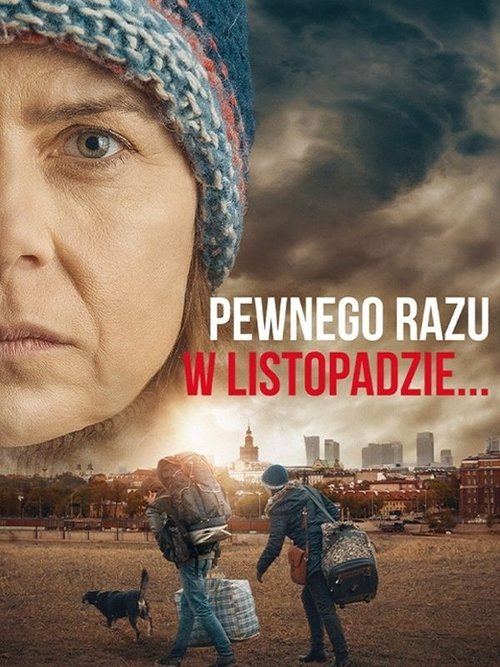
Andrzej Jakimowski’s drama is a gritty social critique centered on systemic displacement and political extremism. It prioritizes the emotional labor of a mother and child struggling against urban policy and state-driven homelessness. The film stands out for its anti-institutional stance, using documentary-style realism to challenge nationalist hierarchies. It portrays the protagonists as victims of systemic failure rather than individual shortcomings. While the film does not specifically represent LGBTQ+, multi-ethnic, or disabled communities, it provides a powerful look at class struggle and the human cost of political violence.
Category Breakdown
The film centers on a maternal bond and a child's perspective. It does not depict any LGBTQ+ identities or non-straight relationships.
The story emphasizes the female experience through Mamusia as she deals with systemic instability. It highlights a maternal-focused survival model rather than traditional patriarchal leadership.
Set in a specific Polish socio-political context, the film focuses on local class struggles. There is no indication of a multi-ethnic cast that disrupts the local demographic.
The narrative criticizes institutional power and nationalist fervor. It uses documentary footage to show the oppression of state authorities and fascist militias against displaced citizens.
There is no explicit mention of neurodivergence or physical disability. However, the characters' profound vulnerability and precarious living conditions reflect the fragility of those on society's margins.
Present on Screen
Limited or Absent
Official Synopsis
Mareczek takes Mamusia from a little allotment house in the outskirts where she has been spending the nights recently. It’s too cold for her to stay there. They set out to the city together with Koleś, a stray dog. They had both lost their flat due to the brutal policy of the city authorities and now they keep going from one shelter to the next. Although the dog is a burden in these circumstances, Mamusia doesn’t want to part with it. The woman makes herself comfortable in a squat where she and Mareczek witness the brutal attempt at burning down the building together with its inhabitants made by fascist militia who had left the Independence March on 11th November a moment earlier. The filmmakers used documentary material of true street incidents.
2022

2014
2018

1952

2019

2014
2021
2018
No reviews yet. Be the first to share your thoughts on this movie!
Use the rating form above to leave a star rating and optional review.