The Hollow
2015
No user ratings available yet
Representation score: 2.5 out of 10
Representation Score
Minimal
1994
RDirector
Rick Rosenthal, Alan Smithee
Runtime
86 minutes
Average Rating
No ratings yetNew Showbiz Analysis
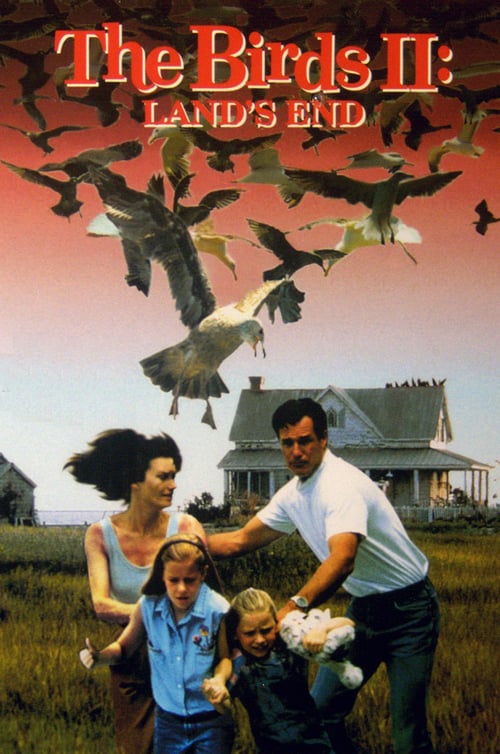
The Birds II: Land's End operates as a conventional 1990s horror sequel, relying heavily on established genre clichés. The narrative structure prioritizes a traditional nuclear family unit, limiting opportunities for diverse character studies or perspectives that reflect multiple aspects of identity. Because the film focuses on a localized, likely homogeneous setting, it fails to challenge Anglo-Saxon norms typical of the era. The creative disconnect suggested by the Alan Smithee credit further points toward a reliance on standard formulas rather than progressive thematic exploration. Ultimately, the film functions as a survivalist piece that reinforces existing social hierarchies. It lacks the intentionality required to provide meaningful representation for LGBTQ+ individuals, diverse racial groups, or people with disabilities.
Category Breakdown
The film does not include any queer narratives or non-cisgender identities. It features traditional family structures common in mid-90s horror.
The story centers around a traditional nuclear family. It upholds conventional gender roles and does not explore diverse masculine identities.
The narrative focuses on a single family in a small coastal town. This suggests a homogeneous cast with little racial or ethnic diversity.
The film uses a standard nature versus man conflict. It avoids critiques of Western institutions and focuses on traditional survivalist themes.
There is no mention of characters with physical or neurodivergent disabilities. The narrative does not provide visibility for these specific experiences.
Present on Screen
Limited or Absent
Official Synopsis
Ted and his family have just moved to the sleepy coastal town of Gull Island so that he can complete work on his thesis. Everything couldn’t seem more picturesque about their new, seaside home… that is, except for the increasing number of aggressively behaving birds.
2015
1972
1993
1979

1991
1963
1974
2002
No reviews yet. Be the first to share your thoughts on this movie!
Use the rating form above to leave a star rating and optional review.