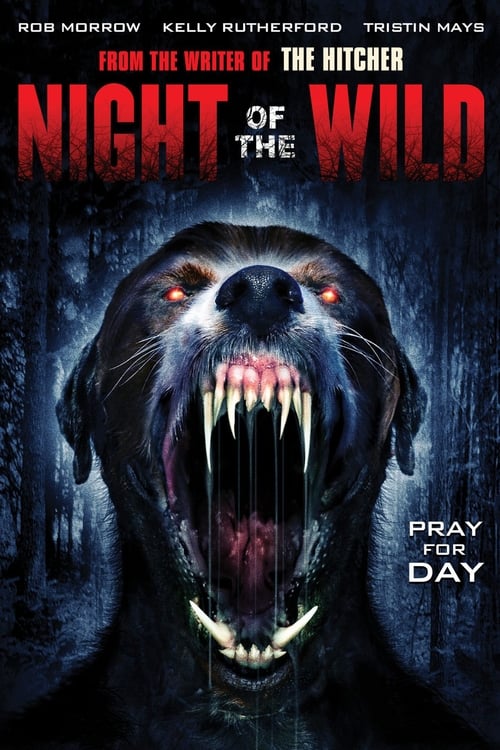
Night of the Wild
2015
No user ratings available yet
Representation score: 2.8 out of 10

Representation Score
Minimal
1991
RDirector
John McPherson
Runtime
83 minutes
Average Rating
No ratings yetNew Showbiz Analysis
Strays is a genre-driven survival thriller that operates within the standard demographic constraints of 1990s television. The plot centers on a nuclear family facing a threat from feral cats, emphasizing traditional domestic structures. The film does not aim to challenge social hierarchies or engage with diverse identities. Instead, it uses a survivalist cliché that aligns with the era's conventional storytelling patterns. Without intentional efforts to include diverse perspectives, the representation remains homogeneous and predictable for its time.
Category Breakdown
The film does not include any LGBTQ+ characters or stories about non-cisgender identities. It follows the assumption that everyone is straight or cisgender, typical of early 90s television horror.
The story revolves around a traditional nuclear family, including a married couple and their daughter. It emphasizes conventional gender roles and a standard domestic setup.
The cast and setting reflect the demographic norms of the early 90s. The focus is on a localized, homogeneous community dealing with environmental dangers.
The narrative centers on preserving the family unit against external threats. It does not critique Western institutions or systemic power dynamics.
There is no indication of how disabilities are portrayed in the film. The focus is on psychological tension and isolation.
Present on Screen
Limited or Absent
Official Synopsis
A young married couple and their daughter are terrorized by a pride of ferocious feral felines.
2015
1979
1980
1983
1989
2000
1973
1994
No reviews yet. Be the first to share your thoughts on this movie!
Use the rating form above to leave a star rating and optional review.