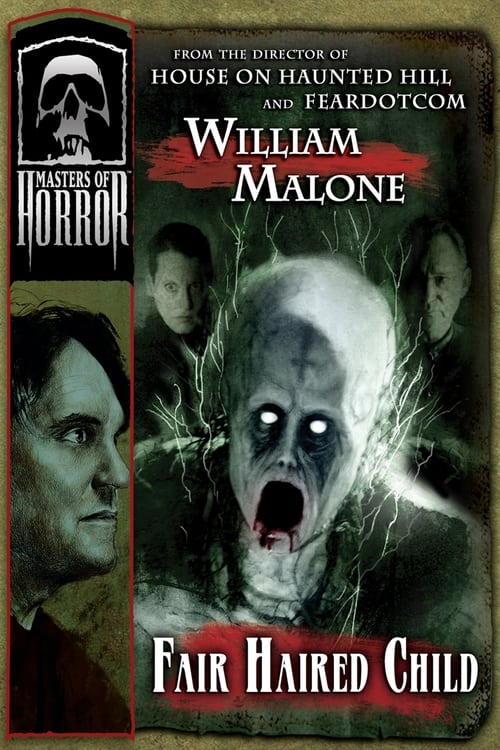
The Fair Haired Child
2006
No user ratings available yet
Representation score: 4.9 out of 10
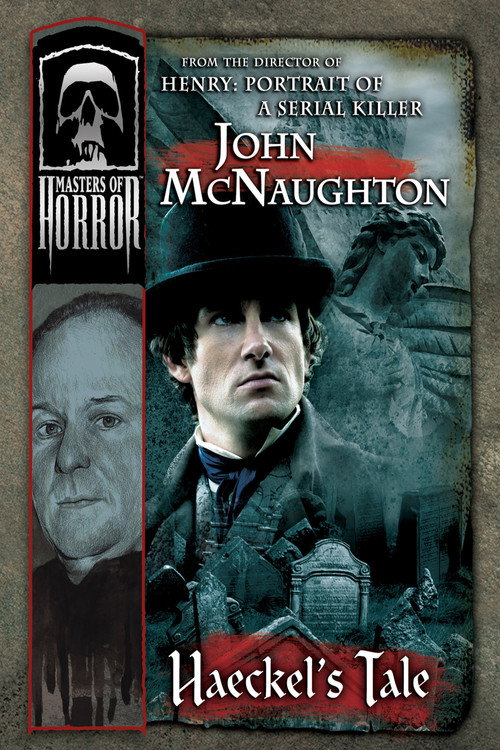
Representation Score
Limited
2006
TV-MADirector
John McNaughton
Runtime
60 minutes
Average Rating
No ratings yetNew Showbiz Analysis
Haeckel's Tale is a traditional period horror piece that prioritizes Gothic atmosphere and the psychological exploration of scientific hubris. The narrative relies heavily on established genre clichés and a 19th-century setting, which naturally limits characters who reflect more than one aspect of diversity. The film focuses on individualistic struggles against death rather than disrupting social hierarchies. It functions as a character study of grief and obsession within a historically homogenous framework. Ultimately, the work does not actively seek to promote progressive social frameworks, opting instead for the isolationist themes common to the Gothic tradition.
Category Breakdown
There are no LGBTQ+ characters or non-assuming gender matches what was assigned at birth identities present in the narrative, focusing on a widower's grief and a scientist's obsession.
The plot centers around a male protagonist driven by the loss of his wife. Women primarily serve as objects of grief, while Miz Carnation offers ability to act as a necromancer.
Set in 19th-century upstate New York, the film follows a European scientific lineage. The narrative lacks a diverse racial tapestry, adhering to historical Western homogeneity.
The film explores non-traditional spirituality through necromancy and challenges natural orders. However, it operates within classic Gothic traditions rather than specific socio-political critiques.
A character is mentioned as being in an ill condition. Disability appears to function as a plot device rather than a nuanced exploration of impairment.
Present on Screen
Limited or Absent
Official Synopsis
A grieving widower seeking the help of a necromancer is told the terrible tale of Ernst Haeckel, a man obsessed with reanimation.
2006
2005
2006
1986
2008

2015
2009
2007
No reviews yet. Be the first to share your thoughts on this movie!
Use the rating form above to leave a star rating and optional review.