
Abschiedsdisco
1990
No user ratings available yet
Representation score: 3.5 out of 10
Representation Score
Limited
1974
Director
Rolf Losansky
Runtime
95 minutes
Average Rating
No ratings yetNew Showbiz Analysis
This coming-of-age drama emphasizes social and environmental critique over diverse representation. It successfully subverts traditional authority through the protagonist's connection with unconventional mentors, offering a nuanced view of industrial changes. However, the film remains limited by its historical and geographic context, which results in a narrow demographic scope. The strength of the film lies in its thematic depth regarding ecology and responsibility, rather than its breadth of human identity representation.
Category Breakdown
The story focuses on a traditional romantic relationship between Klaus and Daniela. There are no LGBTQ+ characters or identities explored in the narrative.
The film features Jule, a female construction worker, challenging traditional gender roles. However, the main plot revolves around the male protagonist's growth and development.
Set in a specific region of East Germany in 1974, the film lacks ethnic diversity. The cast is homogeneous, emphasizing local identity.
The film critiques industrial expansion and environmental loss, exploring the tension between individual actions and state-driven mining interests.
The narrative does not depict or mention any visible or invisible disabilities.
Present on Screen
Limited or Absent
Official Synopsis
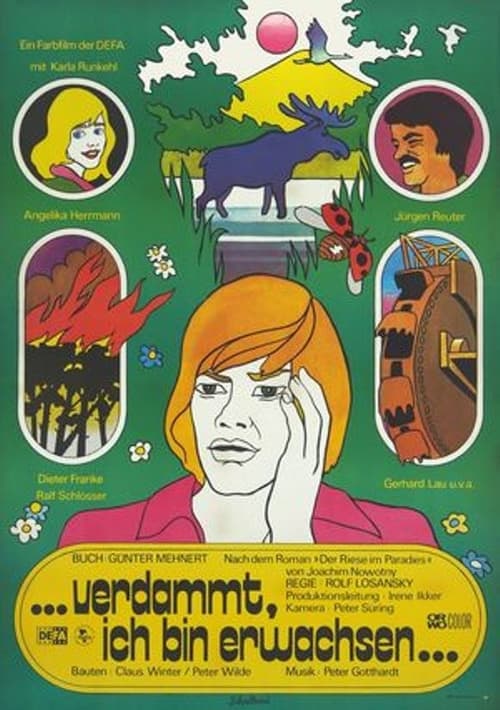
15-year old Klaus Kambor, called Kurbel, is living in a village in Lusatia and already thinks of himself as an adult. He can hold a lot of rhubarb wine and has already kissed a girl. But with his new method of lawn mowing, which he thinks is brilliant, Klaus makes a big mistake: He causes a wild fire in the forest. Then he does not react adult-like at all, but shirks the responsibility, which leads to the break-up with his girlfriend Daniela. Furthermore, Klaus does not realize that several of the places he likes the most in his environment are now going to be sacrificed to mining. When Klaus becomes friends with the teacher Konzak and with the construction worker Jule, he feels understood for the first time and starts to take more responsibility.
1990

2000

2020
1987
1984

2018
2016

1969
No reviews yet. Be the first to share your thoughts on this movie!
Use the rating form above to leave a star rating and optional review.