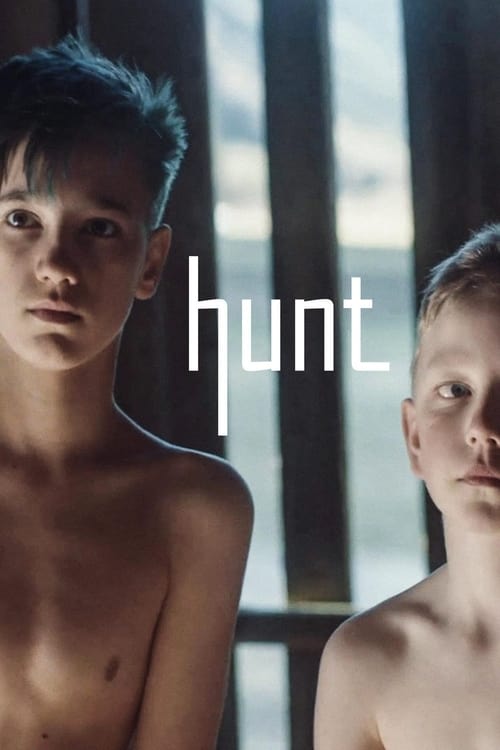
Hunt
2018
No user ratings available yet
Representation score: 5.2 out of 10

Representation Score
Fair
2020
Director
Dace Pūce
Runtime
90 minutes
Average Rating
No ratings yetNew Showbiz Analysis
The film centers on a localized character study focusing on social hierarchies and the consequences of breaking rules. It emphasizes the deconstruction of village status rather than broad demographic representation. While the narrative lacks explicit identity markers, it excels in its nuanced exploration of morality. The relationship between the protagonist and an outsider serves as a lens to examine truth outside societal norms. However, the film remains confined by its homogeneous setting and lack of visible diversity across racial and LGBTQ+ spectrums.
Category Breakdown
The film does not explicitly depict LGBTQ+ identities or relationships that go beyond the assumption that everyone is straight. While Markuss forms a strong emotional connection with an older sailor, there is no confirmation of queer identities.
Female characters play key roles in driving the conflict, with Emīlija serving as an active antagonist rather than a passive stereotype. The story also delves into the influence of maternal authority and social policing.
The story unfolds in a localized, rural setting that seems to have a uniform social structure. There is no indication of multi-ethnic casting or racial diversity.
The film presents a sophisticated look at communal morality and social institutions. It avoids simple binaries by examining how random events can affect a person's standing within a village.
There is no explicit depiction of physical or neurodivergent disabilities. Instead, the film focuses on psychological themes such as isolation and reputation.
Present on Screen
Limited or Absent
Official Synopsis
Markuss must adapt to a new life living with his granny in the countryside. After Emīlija – a neighbor’s daughter – throws some contemptuous remarks about the boy’s father, the boy decides to teach her a cruel lesson. This has severely negative consequences which resonate throughout the village. The only person Markuss can relate to is an old sailor living in the nearby woods. They inspire each other and keep each other’s secrets. It is only through an accidental turn of events that Emīlija’s mother’s intended sanctions against Markuss and the boy’s reputation in the eyes of the inhabitants of the village radically change.
2018
2000

2018

2021

2018

2015

2014
2019
No reviews yet. Be the first to share your thoughts on this movie!
Use the rating form above to leave a star rating and optional review.