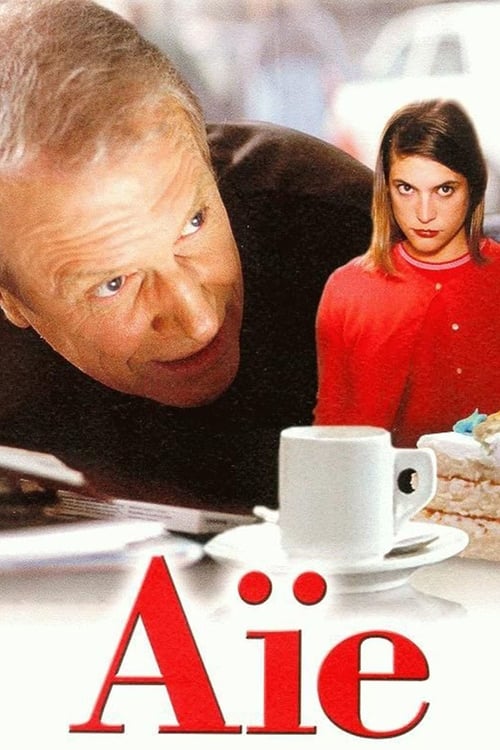
Ouch
2000
No user ratings available yet
Diversity score: 4.8 out of 10
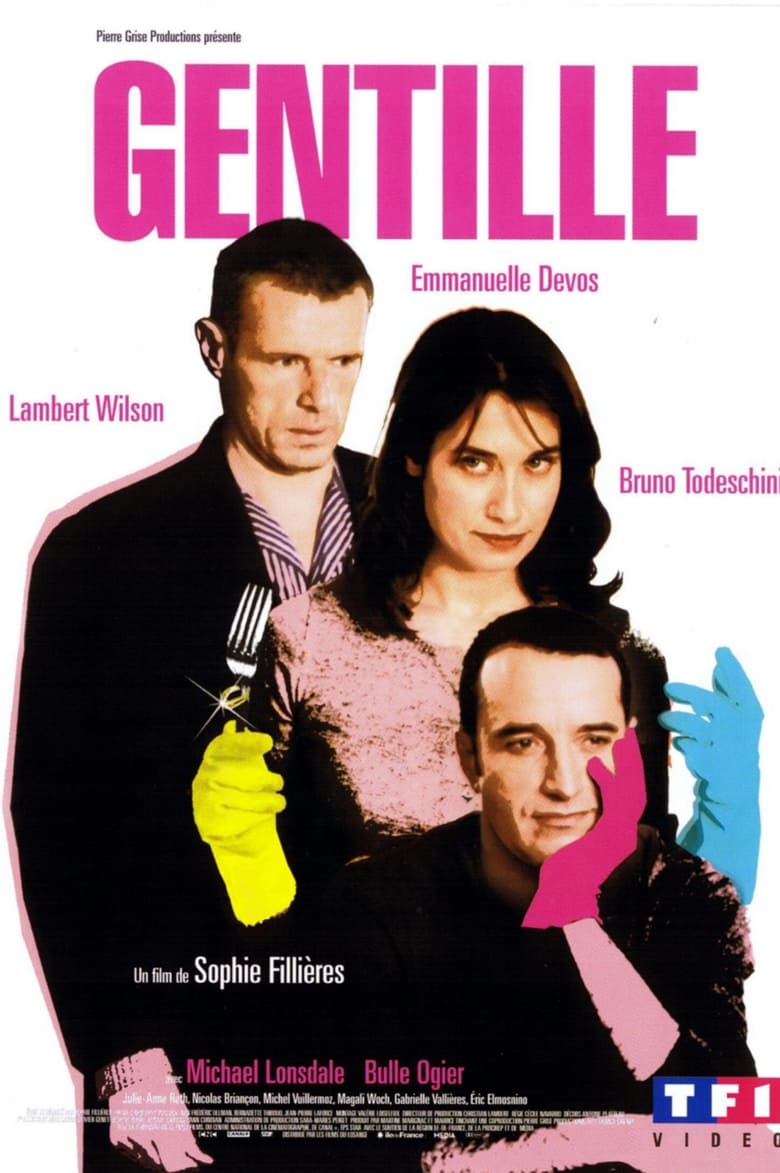
2005
Director
Sophie Fillières
Runtime
98 minutes
Average Rating
No ratings yetSynopsis
As Gentille opens, Fontaine Leglou is walking down a Paris street, and stops to confront a man whom she suspects is following her. She tells him he looks normal, but she's sorry, she doesn't have time to have coffee with him. When he convincingly protests that he was not following her, she apologizes and asks him to have coffee. Fontaine would seem to have a relatively good life. She works as an anesthetist at a fancy mental hospital, and she's got a live-in Nobel Prize-winning arctic scientist boyfriend, Michel, who seems to love her. But there's clearly something nagging at her. She walks around in a perpetually distracted state, and frequently mistakes other peoples' identities and their intentions. When Michel proposes to her, she needs some time to digest it before she responds.
Overall Score
Fair
Category Breakdown
LGBTQ+ Representation
The film explores non-normative social interactions and rejects standard courtship rituals. While specific identities aren't explicitly confirmed, the narrative departs from heteronormative predictability.
Gender Representation
Fontaine is a professional anesthetist with significant intellectual autonomy. The film avoids traditional patriarchal structures, presenting a partnership of intellectual equals rather than domestic roles.
Racial & Ethnic Diversity
The setting focuses on a localized, predominantly Western social milieu in Paris. There is no explicit evidence of a diverse or non-Anglo-Saxon majority cast.
Religious & Cultural Diversity
The story deconstructs traditional institutions and the sanctity of the family unit. It views established social and psychological structures with skepticism and complexity.
Disability Representation
Fontaine’s neurodivergent-coded behavior is central to her character. Her distracted state and confusion regarding identities are integrated into her identity rather than used as mere plot devices.
Strengths
Areas for Improvement
AI Analysis
Sophie Fillières delivers a character study that prioritizes individual neuroses over societal expectations. The film succeeds in centering female agency and intellectual autonomy, moving away from submissive tropes. However, the narrative lacks demographic breadth, focusing heavily on a localized Parisian setting. This results in a narrow racial and ethnic scope. Ultimately, the film's strength lies in its nuanced portrayal of non-standard cognitive experiences and its subversion of conventional romantic rhythms.
2000

2011

2023

2023

2014

2015

2016

2017

2014
1992

2002

2020
No reviews yet. Be the first to share your thoughts on this movie!
Use the rating form above to leave a star rating and optional review.