
My Last Year as a Loser
2019
No user ratings available yet
Representation score: 6.2 out of 10
Representation Score
Limited
2020
Director
Gabriela Ivette Sandoval Torres
Runtime
92 minutes
Average Rating
No ratings yetNew Showbiz Analysis
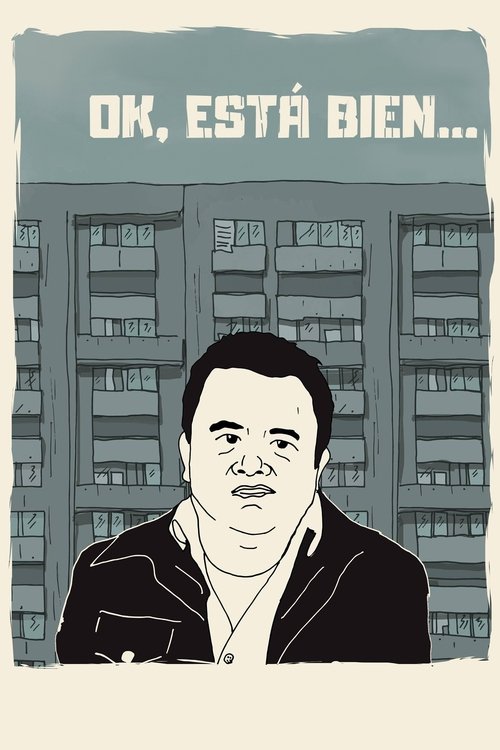
Ok, It's Fine is a character study centered on arrested development and the disruption of domestic stability. By focusing on a protagonist who fails to meet conventional milestones of adulthood, the film critiques standard life trajectories. The narrative's strength lies in its subversion of traditional masculine hierarchies and professional norms. Instead of following a path of ambition, the story explores the friction caused by stagnation and intergenerational shifts. However, the film lacks explicit markers of multi-layered identity. Without clear data on race, disability, or specific LGBTQ+ identities, the scope of its representation remains limited to thematic subversions of social roles.
Category Breakdown
The film doesn't provide explicit details about queer identities or gender non-conformity. However, the unconventional living situation of a grown man living with his mother hints at a departure from typical nuclear family structures.
The story challenges traditional masculine roles by focusing on Mariano, a passive protagonist who hasn't achieved professional success. This subverts the usual expectations of male competence, leadership, and independence.
There is not enough information to determine the ethnic or racial makeup of the cast. The cultural backgrounds and settings of the characters remain undefined.
The narrative critiques Western milestones by emphasizing personal stagnation over capitalist productivity. The tension between generations suggests a critique of traditional familial authority and social expectations.
The provided material contains no evidence regarding neurodivergence, physical disabilities, or mental health conditions.
Present on Screen
Limited or Absent
Official Synopsis
It's been six years since Mariano graduated from film school. He's about to turn 30 and he still lives with his mom, spends most of his time watching movies and has never written a single screenplay. His comfortable routine changes when his 15-year-old cousin, Ramiro, moves in with them.
2019

2001

2023

2016

2016

2002

2019
2016
No reviews yet. Be the first to share your thoughts on this movie!
Use the rating form above to leave a star rating and optional review.