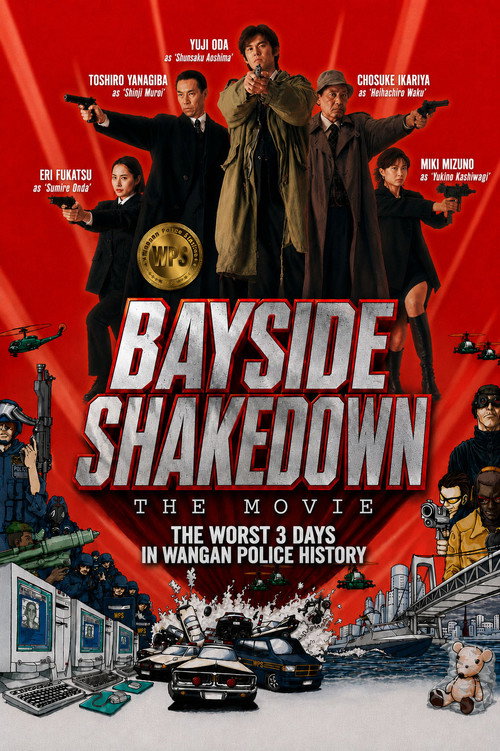
Bayside Shakedown
1998
No user ratings available yet
Representation score: 3.9 out of 10

Representation Score
Limited
2002
Director
SABU
Runtime
102 minutes
Average Rating
No ratings yetNew Showbiz Analysis
Drive (2002) is a character-driven study that prioritizes psychological neurosis over demographic breadth. The film succeeds in subverting crime genre clichés by focusing on the protagonist's extreme social compliance and psychological compulsions rather than high-stakes action. However, the narrative remains confined to traditional identity hierarchies, offering little representation for LGBTQ+ individuals or significant women's ability to drive the story. The social environment is largely homogeneous, focusing on specific cultural conformity. Ultimately, while the film provides a stylistically distinct critique of systemic regulation, it functions as a conventional character comedy that does not intentionally disrupt traditional social or gendered structures.
Category Breakdown
The film does not include any identifiable LGBTQ+ characters or narratives. It focuses on interpersonal conflicts within a strictly heterosexual social framework.
The narrative centers around a male protagonist and a male-dominated criminal group. It lacks significant women's ability to drive the story and does not challenge traditional gender power dynamics.
The film depicts a relatively homogeneous social environment focused on specific cultural conformity. It does not utilize multi-layered casting.
The film offers a nuanced critique of institutionalized social behavior. It uses the protagonist's extreme adherence to rules to critique the rigidity of modern social structures.
The protagonist's hyper-fixation may be interpreted as neurodivergent or obsessive-compulsive. However, these traits serve primarily as comedic drivers rather than deep explorations of lived experience.
Present on Screen
Limited or Absent
Official Synopsis
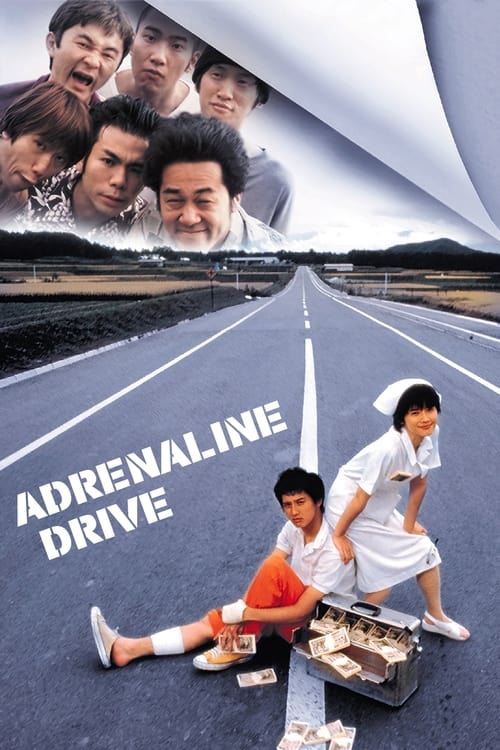
Kenichi Asakura is an uptight, hyper-square salesman. One day, three bank robbers commandeer his van. They are in hot pursuit of their fellow robber who has snatched the money. Unfortunately for the bank robbers, Asakura never drives over 40 km/h speed limit even under the extreme situation.
1998

1979

1982

1990
2006
2004
1999

1998
No reviews yet. Be the first to share your thoughts on this movie!
Use the rating form above to leave a star rating and optional review.