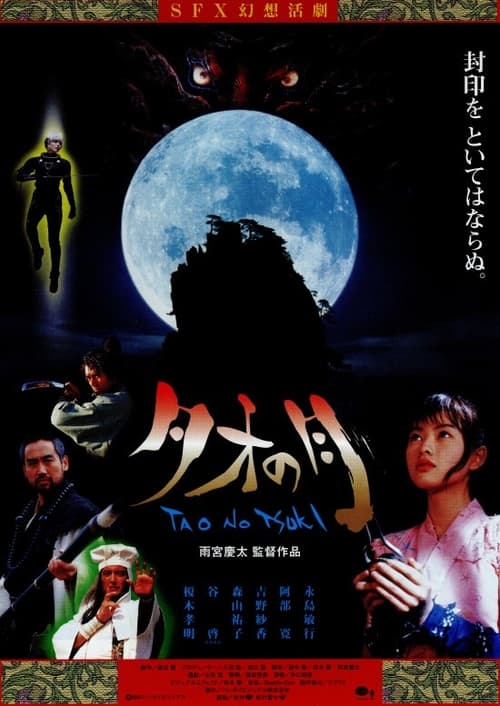
Moon Over Tao: Makaraga
1997
No user ratings available yet
Representation score: 4.9 out of 10

Representation Score
Limited
1991
RDirector
Fred Olen Ray
Runtime
88 minutes
Average Rating
No ratings yetNew Showbiz Analysis
Wizards of the Demon Sword is a conventional genre piece that operates within traditional social frameworks. It relies heavily on established 1990s fantasy clichés rather than attempting to challenge them. The film lacks intentionality regarding social hierarchies, favoring a singular morality and a homogeneous cast. Female characters hold important positions but remain tied to traditional archetypes. Ultimately, the production serves as a standard adventure that reinforces existing narrative structures without diverse representation.
Category Breakdown
The film adheres to the conventions of the early 1990s fantasy, which assumes everyone is straight or cisgender. There is no evidence of non-traditional gender identities or same-sex relationships.
A female sorceress and Ulric’s daughter play important roles. However, the character dynamics largely follow traditional hero and heroine clichés and established fantasy archetypes.
The production features a largely homogeneous cast. The setting uses standard high-fantasy clichés without employing actors from diverse backgrounds.
The story operates within a classic 'Good vs. Evil' binary. It follows a standard genre cliché rather than critiquing any specific institution.
There is no evidence of characters with visible or invisible disabilities. The narrative focuses almost exclusively on physical prowess and magical abilities.
Present on Screen
Limited or Absent
Official Synopsis
Ulric's daughter unites with warrior Thane against evil Lord Khoura, who covets the knife of Aktar.
1997

1983
2017
1985
1991
1984
1990
1993
No reviews yet. Be the first to share your thoughts on this movie!
Use the rating form above to leave a star rating and optional review.