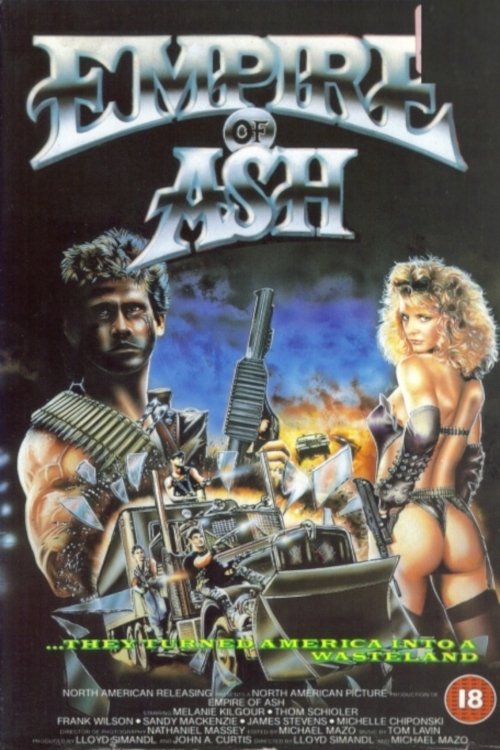
Empire of Ash
1988
No user ratings available yet
Representation score: 3.9 out of 10
Representation Score
Fair
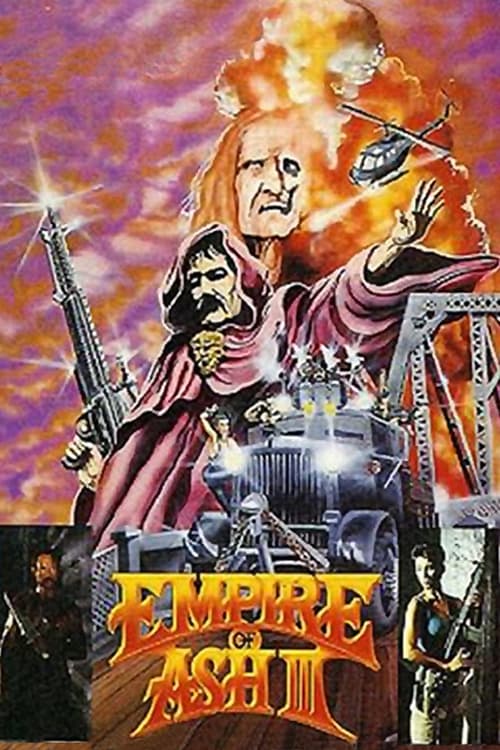
1990
Not RatedDirector
Michael Mazo, Lloyd A. Simandl
Runtime
98 minutes
Average Rating
No ratings yetNew Showbiz Analysis
Empire of Ash III is a genre-driven post-apocalyptic tale that prioritizes survivalist action over explicit identity politics. It subverts gendered power dynamics by centering women's ability to drive the story and leadership in a high-stakes survival setting. While the film lacks depth in LGBTQ+ or disability representation, it provides a systemic critique of state-sanctioned institutions. The portrayal of a predatory ruling class adds a layer of social commentary to the wasteland setting. Ultimately, the film's diversity is functional rather than intentional, using its characters to explore themes of resistance and institutional corruption within the constraints of low-budget canuxploitation.
Category Breakdown
The film focuses on traditional romantic leads and survivalist dynamics. There is no evidence of queer-coded subtext or non-assuming gender matches what was assigned at birth identities within the narrative.
Danielle serves as a primary driver of the plot, initiating rescues and organizing resistance. This positioning challenges standard damsel clichés by centering women's ability to drive the story in a high-stakes survival setting.
The casting of William Smith provides a notable racial presence in the lead cast. However, race is not utilized as a central thematic pillar or tool for exploring multiple aspects of identity.
The story offers a critique of centralized authority through its depiction of a parasitic ruling elite. This framing highlights institutional exploitation and challenges the notion of benevolent governance.
The narrative lacks characters navigating physical, sensory, or neurodivergent disabilities. The focus remains strictly on the physical prowess required for combat and survival.
Present on Screen
Limited or Absent
Official Synopsis
It's the year 2050, and the world has become a wasteland after a fatal virus has ravaged the human race. Those few that have survived are forced to fight against a powerful warrior empire that seeks total control over the new world. The price of freedom in this New World is death. In a desperate stand for true civilization, the last of the warriors for freedom wage an all out assault against the evil empire
1988
1986
1995

2008

1988

1995
2002
1997
No reviews yet. Be the first to share your thoughts on this movie!
Use the rating form above to leave a star rating and optional review.