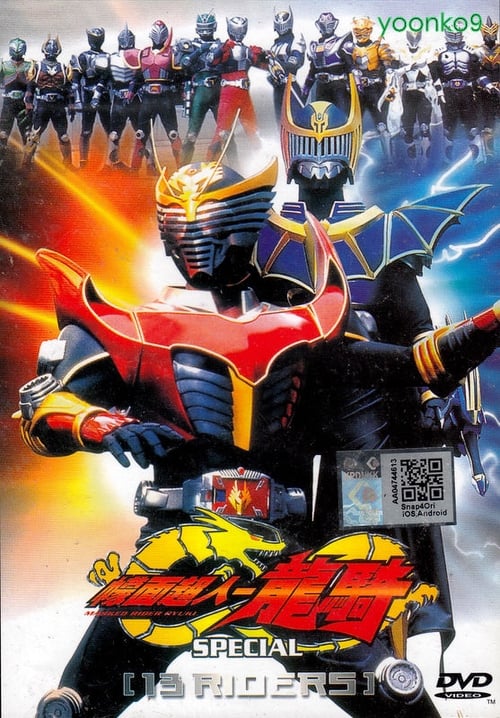
MASKED RIDER RYUKI SPECIAL 13 RIDERS
2002
No user ratings available yet
Diversity score: 3.4 out of 10
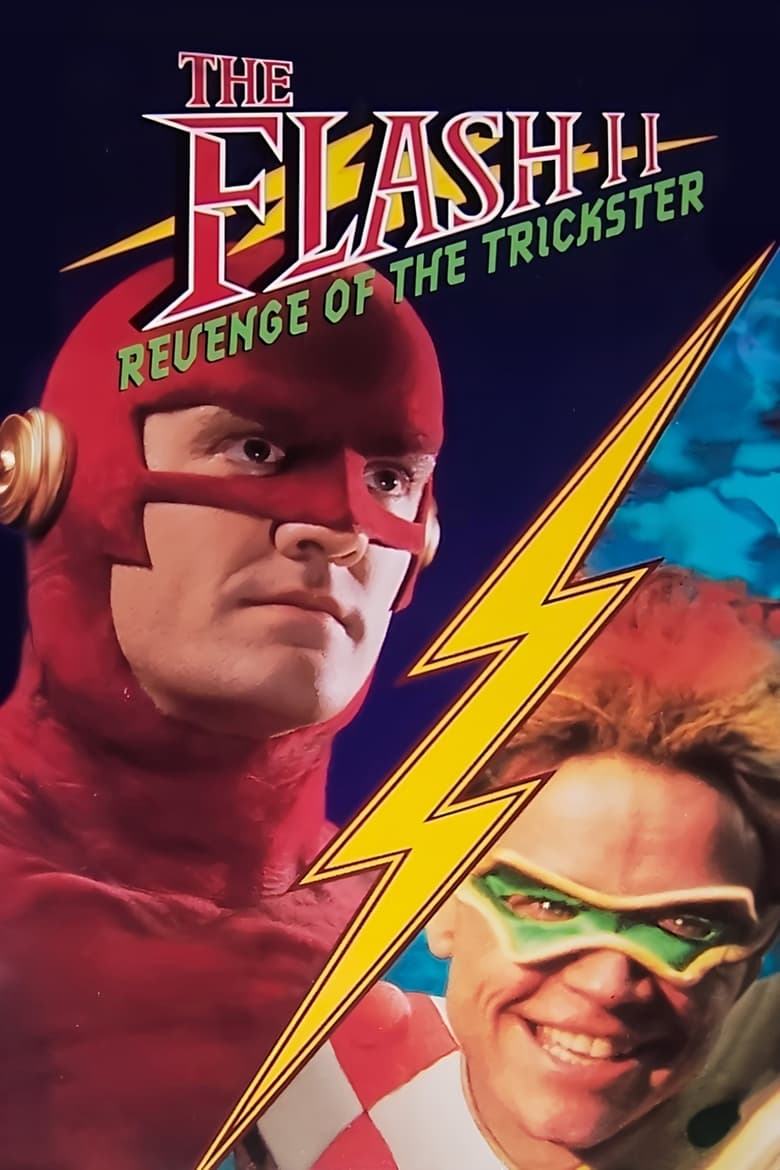
1991
NRDirector
Danny Bilson
Runtime
88 minutes
Average Rating
No ratings yetSynopsis
Every super hero has his nemesis - and this time Flash has that murderous mischief maker the Trickster
Overall Score
Fair
Category Breakdown
LGBTQ+ Representation
The story focuses on the central conflict between the hero and his nemesis. It lacks explicit depictions of non-cisnormative identities or same-sex intimacy, adhering to the heteronormative frameworks of early 90s television.
Gender Representation
Amanda Pays provides a female presence within this sci-fi setting. However, female characters largely serve as intellectual or supportive counterparts to the male lead rather than subverting traditional gender hierarchies.
Racial & Ethnic Diversity
The casting of Alex Désert suggests a more integrated ensemble than many contemporary productions. While actors of color contribute to the mythos, the narrative remains centered on a predominantly white protagonist.
Religious & Cultural Diversity
The film operates within Western superhero tropes, reinforcing traditional notions of justice. It functions as a morality play without explicitly critiquing Western institutions or prioritizing anti-establishment ideologies.
Disability Representation
There is no significant evidence of characters navigating visible or invisible disabilities with agency. The narrative prioritizes superhuman abilities over the nuanced portrayal of neurodivergence or physical disability.
Strengths
Areas for Improvement
AI Analysis
The film is a quintessential example of early 1990s genre television, prioritizing established superhero archetypes over social subversion. While it shows moderate progress in racial casting for its era, the narrative remains bound by the conventional hero-villain binaries of the period. Diversity is limited by the production's adherence to traditional social and moral structures. The focus on superhuman conflict often overshadows opportunities for deeper intersectional representation or the exploration of disability and identity.
2002
2017
1967

2002
No reviews yet. Be the first to share your thoughts on this movie!
Use the rating form above to leave a star rating and optional review.