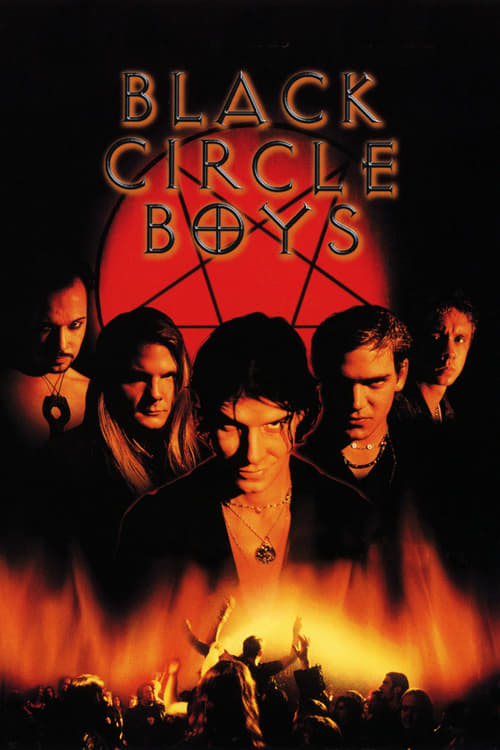
Black Circle Boys
1997
No user ratings available yet
Representation score: 0.6 out of 10
Representation Score
Fair
1996
RDirector
Tony Zierra
Runtime
85 minutes
Average Rating
No ratings yetNew Showbiz Analysis
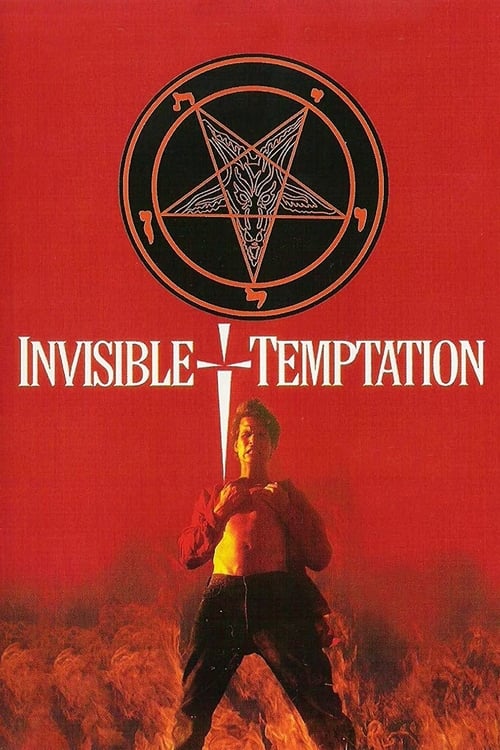
Invisible Temptation operates as a typical mid-90s horror film that emphasizes genre clichés over diverse storytelling. The plot centers on a teenage boy's involvement in a cult that worships the devil, driving the narrative through psychological and supernatural conflicts rather than exploring identity issues. While the film touches on the disruption of mainstream religious norms, it does so through the lens of horror instability. It lacks the structure necessary to address systemic critiques or diverse social perspectives. Ultimately, the film adheres to the conventional hierarchies and demographic norms typical of independent horror from its time period.
Category Breakdown
The film does not feature any identifiable LGBTQ+ characters or narratives. Its primary focus is on a horror premise involving a cult, rather than exploring identity or questioning assumptions about straight relationships.
The story revolves around a teenage boy and follows a traditional gender storyline. Women do not play roles that challenge or subvert male leadership.
The film does not have a predominantly non-white cast. It adheres to the demographic norms typical of its era.
The narrative questions traditional religious institutions by delving into cultism and devil worship. However, it does not critically examine broader societal issues or systemic oppression.
The film does not include characters with disabilities or neurodivergence. Such traits are often used as clichés in this genre rather than meaningful character development.
Present on Screen
Limited or Absent
Official Synopsis
A teenager's life spirals out of control when he joins a cult of devil worshippers.
1997
1971
2001
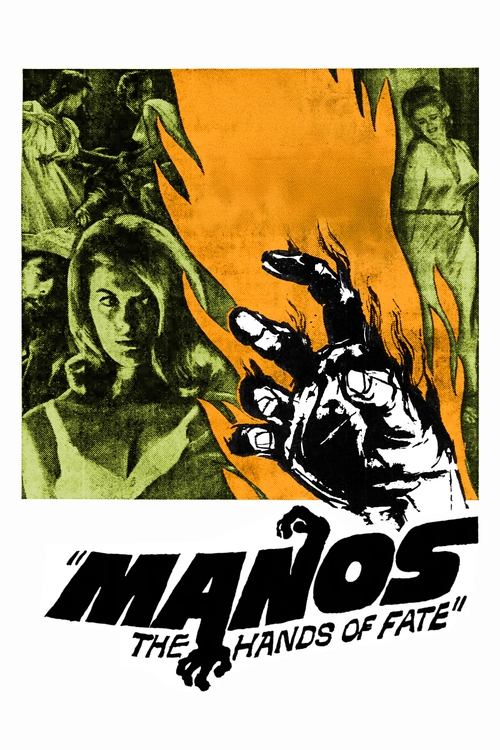
1966

1996
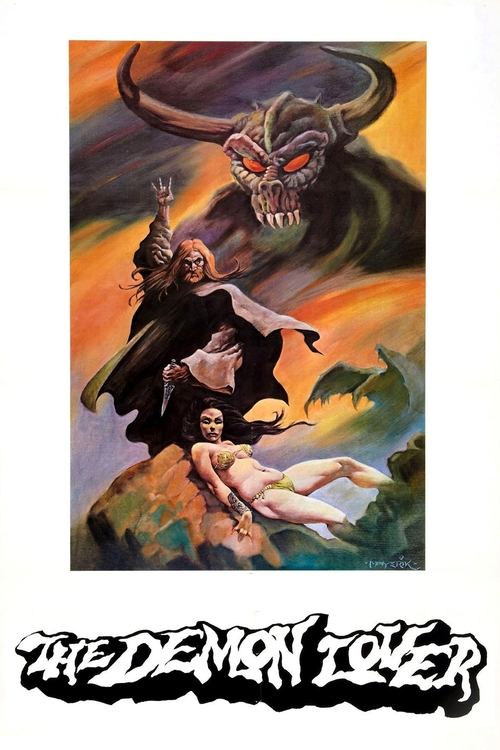
1977
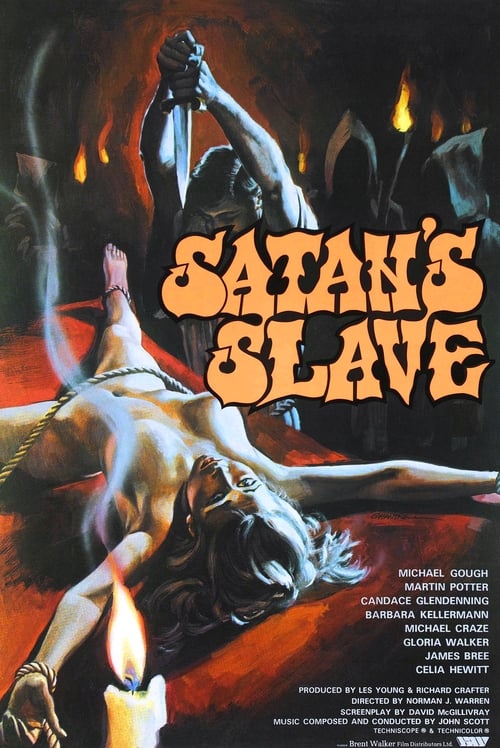
1976
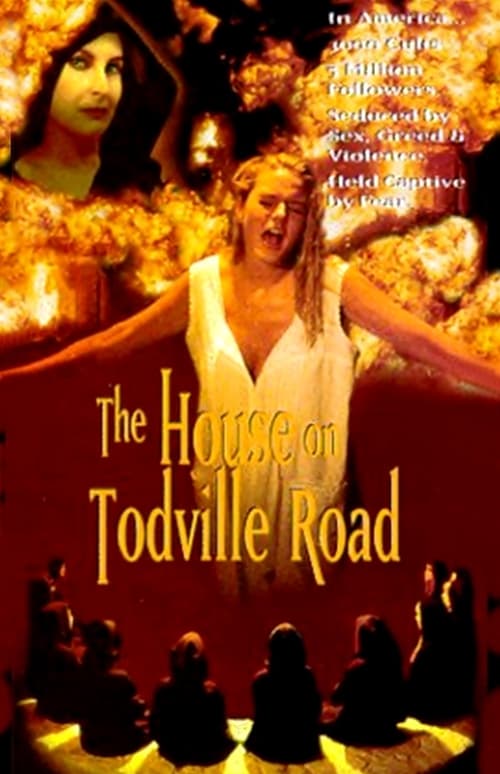
1994
No reviews yet. Be the first to share your thoughts on this movie!
Use the rating form above to leave a star rating and optional review.