Cocaine Cowboys: Reloaded
2014
No user ratings available yet
Representation score: 5.9 out of 10
Representation Score
Limited
2012
Not RatedDirector
Don Sikorski
Runtime
62 minutes
Average Rating
No ratings yetNew Showbiz Analysis
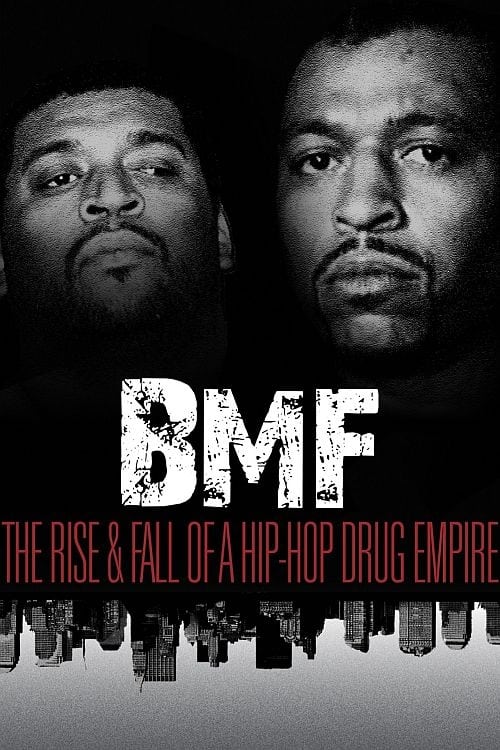
The documentary stands out by shifting the focus away from the typical 'white-as-default' perspective found in crime procedurals, instead centering on the Black Mafia Family. It offers a detailed exploration of power dynamics and ability to act within a specific Black socioeconomic ecosystem. However, the film’s scope is constrained by its heavy reliance on traditional, hyper-masculine hierarchies. The narrative structure is primarily centered around the male-dominated structures of the drug trade and the music industry. Overall, while the film provides a deep dive into a particular cultural intersection, it falls short in representing LGBTQ+ individuals and people with disabilities, limiting its demographic focus.
Category Breakdown
The documentary does not include any LGBTQ+ characters or stories. The plot stays focused on traditional structures within the drug trade and hip-hop industry.
The story emphasizes male-dominated hierarchies in organized crime. It relies on clichés of hyper-masculine leadership and traditional masculine social structures.
The film gives significant roles to Black protagonists, breaking away from the typical Anglo-centric focus in crime documentaries. It delves into a complex Black socioeconomic ecosystem and large-scale enterprises.
The film examines an alternative economy and subjective morality outside traditional Western institutions. It looks at the intricate loyalty systems of the streets.
There is no mention of characters with visible or invisible disabilities. No such figures are central to the story.
Present on Screen
Limited or Absent
Official Synopsis
In 15-years the Black Mafia Family, or BMF as they were called, made close to 300 million dollars trafficking cocaine from Atlanta to Los Angeles. In the Hip-Hop music industry they created a front company called BMF Entertainment, which was a perfect mix of drugs, violence, and street cred that makes their story Hip-Hop's version of the Godfather. This film explores the story of the 15-year investigation by the DEA, FBI and an elite drug task force called HIDTA, which resulted in 41 defendants across the country being charged in one of the largest drug conspiracy cases ever.
2014
2021
2002
2006
2017
2015
2022
2012
No reviews yet. Be the first to share your thoughts on this movie!
Use the rating form above to leave a star rating and optional review.