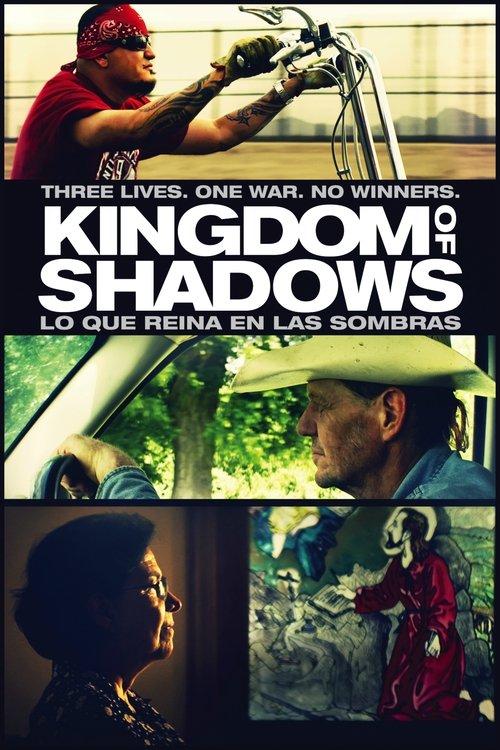
Kingdom of Shadows
2015
No user ratings available yet
Representation score: 6.0 out of 10

Representation Score
Limited
2010
Not RatedDirector
Gianfranco Rosi
Runtime
80 minutes
Average Rating
No ratings yetNew Showbiz Analysis
The film is a powerful exercise in cinematic realism that prioritizes systemic analysis over individual melodrama. It succeeds by providing an authentic, unvarnished look at underrepresented populations, specifically through its high degree of racial and ethnic accuracy. However, the work lacks representation for LGBTQ+ identities and does not feature specific narratives regarding disability. The gender depiction remains tied to traditional household roles necessitated by the environment, limiting its progressive impact in that category. Ultimately, the film's strength lies in its post-colonial perspective. It shifts the focus from individual moral failings to the systemic consequences of political and historical neglect, challenging Western institutional standards.
Category Breakdown
The film focuses on a specific socioeconomic environment where no LGBTQ+ characters or non-straight identities are present. This absence reflects the demographic reality of the setting rather than a deliberate narrative exclusion.
Gender is depicted through the lens of survival, showing women managing domestic stability under extreme pressure. While it avoids certain male-centric clichés, it does not actively work to challenge traditional gender hierarchies.
The documentary excels by centering a predominantly Afro-Venezuelan and mixed-race cast. It avoids Western-centric framing or white savior clichés, granting real power to the underrepresented residents of the barrios.
The film offers a profound critique of Western institutions by portraying the state as a failed entity. It uses moral relativism to show how survival in a failed state necessitates abandoning conventional ethics.
There are no specific character arcs centered on visible or invisible disabilities. While the film shows the physical toll of poverty, disability is not a primary narrative driver.
Present on Screen
Limited or Absent
Official Synopsis
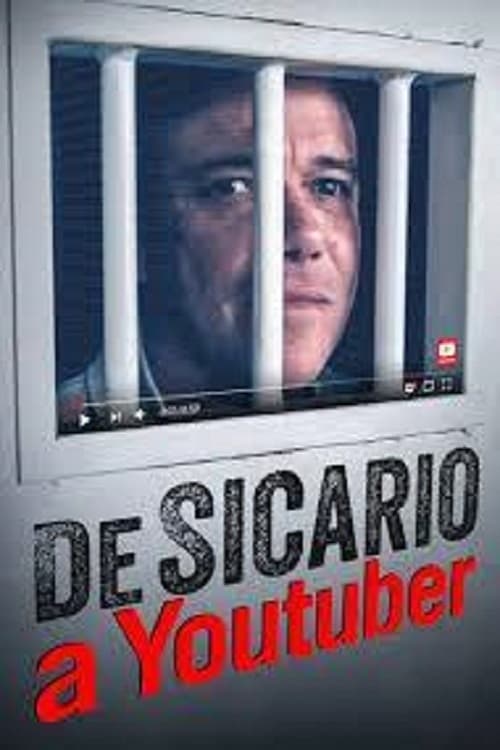
The story of a hitman for the drug cartels in Ciudad Juarez, Mexico.
2015

2002
2002

2015
2014
2013
2018

1999
No reviews yet. Be the first to share your thoughts on this movie!
Use the rating form above to leave a star rating and optional review.