Inside The Mob's Bloody Valentine
2011
No user ratings available yet
Representation score: 1.9 out of 10
Representation Score
Fair
2014
TV-14Director
John Binder, Chris Valentini
Runtime
55 minutes
Average Rating
No ratings yetNew Showbiz Analysis
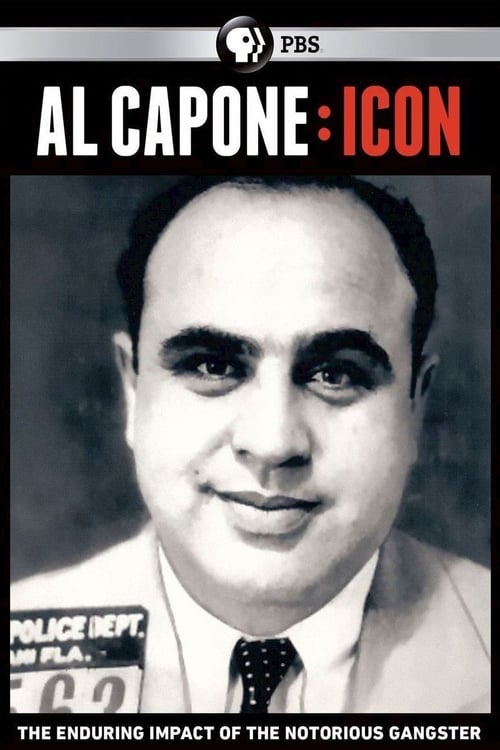
Al Capone: Icon offers a nuanced biographical study that moves beyond a simple crime narrative. Its strongest contribution is the exploration of racial dynamics through Capone's support of Black jazz musicians, adding depth to the historical setting. However, the film remains heavily centered on traditional masculine power and the life of a single male figure. It lacks representation for LGBTQ+ identities and provides no visibility for women's ability to drive the story or disability. Ultimately, the documentary disrupts a purely white-centric Prohibition narrative but stays within the bounds of conventional American mythologies.
Category Breakdown
The film does not include any explicit mention of LGBTQ+ characters or themes. It focuses solely on Al Capone's criminal and philanthropic activities without exploring queer identities.
The documentary centers on masculine leadership and the patriarchal structures of the early 20th-century underworld. There is no indication of women's ability to drive the story or challenging traditional gender hierarchies.
The film highlights Capone's patronage of African American jazz musicians during a time of segregation. This inclusion provides a nuanced look at racial dynamics within the Prohibition era.
By framing Capone as a complicated anti-hero, the film challenges absolute moral binaries. However, it remains rooted in traditional American myths of the self-made man.
There is no mention of characters or historical figures portrayed with physical, neurodivergent, or mental health disabilities.
Present on Screen
Limited or Absent
Official Synopsis
Al Capone - The quintessential self-made American man, ruthless killer, or both? To this day we are fascinated with this celebrity gangster. Americans love a bad boy; a tragic anti-hero. Al Capone is one of the originals, one of the most notorious bootleggers and gangsters of the twentieth century, believed to have personally murdered dozens of people and ordered the killing of hundreds of others. But that’s only one side of this complicated man. He was also a hugely popular public figure, dynamic and charismatic; he opened one of the nation's first soup kitchens, and was a devoted patron and guardian of jazz, giving African American musicians opportunities that they would otherwise never have had. So what made him a crime boss instead of a powerful politician?
2011
1967
2022
2015

2001
2002
2004
2012
No reviews yet. Be the first to share your thoughts on this movie!
Use the rating form above to leave a star rating and optional review.