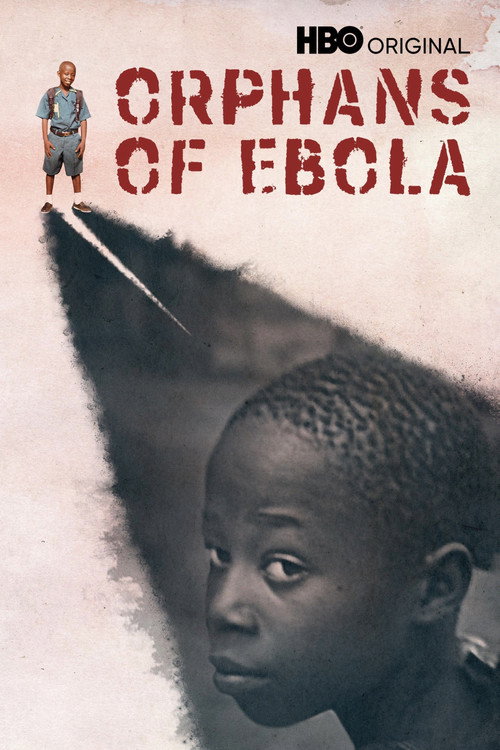
Orphans of Ebola
2016
No user ratings available yet
Diversity score: 6.0 out of 10
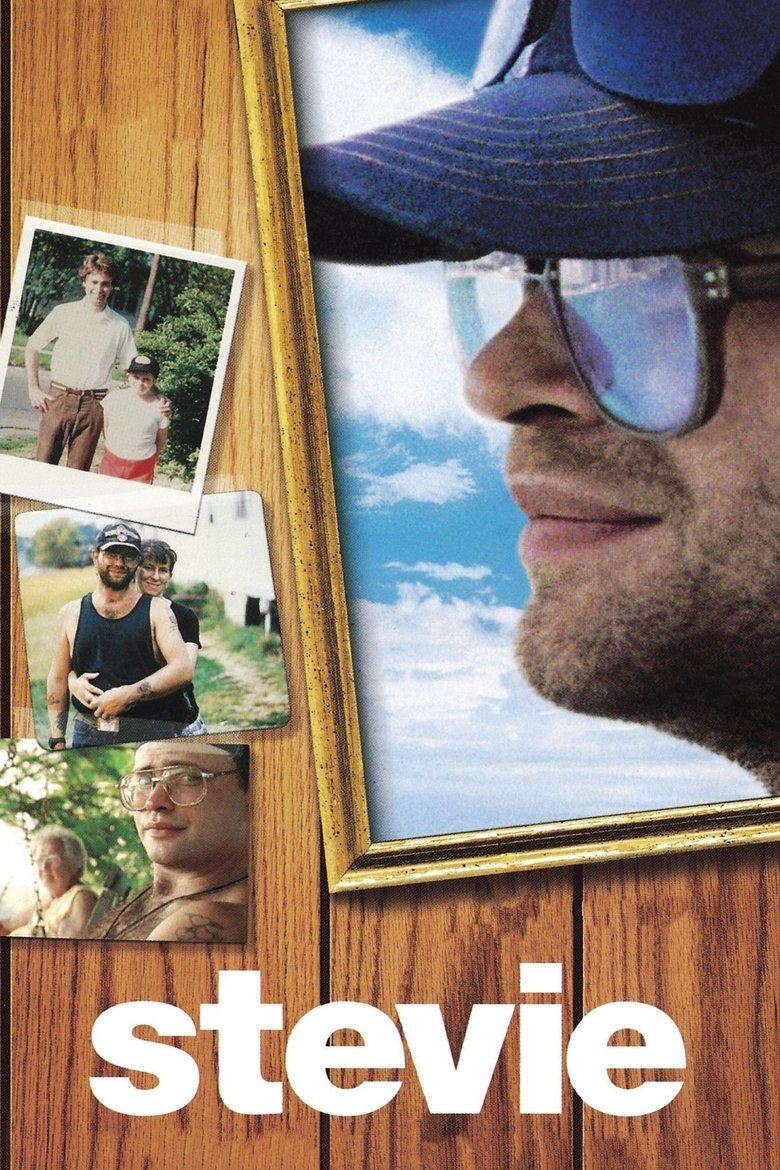
2003
RDirector
Steve James
Runtime
145 minutes
Average Rating
No ratings yetSynopsis
In 1995 Director Steve James (Hoop Dreams) returned to rural Southern Illinois to reconnect with Stevie Fielding, a troubled young boy he had been an 'Advocate Big Brother' to ten years earlier.
Overall Score
Good
Category Breakdown
LGBTQ+ Representation
The film does not center on LGBTQ+ narratives or non-cisnormative identities. There is no documented evidence of prominent queer themes or critiques of heteronormativity.
Gender Representation
The narrative focuses primarily on the singular journey of a male icon. While women are interviewed, the structural focus remains on the male subject.
Racial & Ethnic Diversity
The film serves as a profound exploration of Black excellence and cultural influence. It examines the subject's role within the Black community and the music industry.
Religious & Cultural Diversity
The documentary provides a nuanced view of how an individual navigates systemic structures through art. It deconstructs the superstar myth through intimate biographical detail.
Disability Representation
The film portrays blindness as a fundamental component of sensory and creative identity. It avoids inspiration porn by integrating visual impairment into the subject's organic musicality.
Strengths
Areas for Improvement
AI Analysis
Stevie is a significant biographical documentary that excels in its treatment of disability and racial identity. By centering a Black icon, the film disrupts Anglo-centric biographical traditions and provides high agency to a person of color. The portrayal of disability is exceptional, treating blindness as a source of unique perception rather than a deficit. This approach allows the subject to maintain full agency over his professional and personal mastery. However, the film lacks specific engagement with LGBTQ+ narratives or gender-subversive tropes. The structural focus remains heavily centered on the male subject's individual creative journey.
2016
2015
2015
2014
No reviews yet. Be the first to share your thoughts on this movie!
Use the rating form above to leave a star rating and optional review.