Spellbound
2002
No user ratings available yet
Representation score: 7.1 out of 10
Representation Score
Limited
1994
PG-13Director
Steve James
Runtime
174 minutes
Average Rating
No ratings yetNew Showbiz Analysis
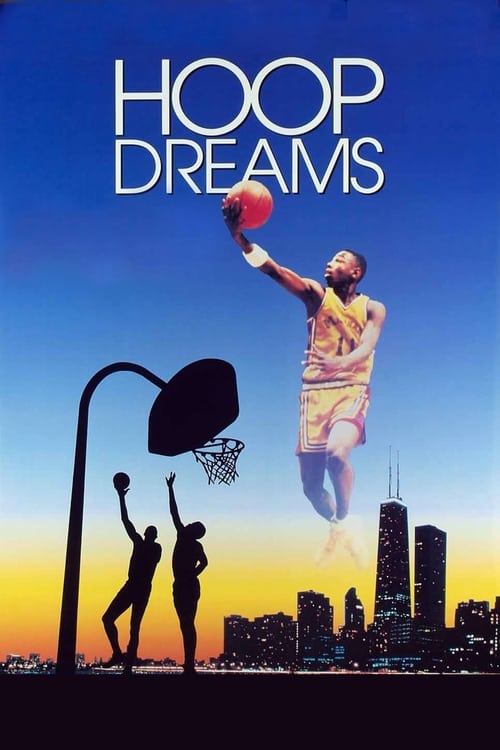
Hoop Dreams is a profound longitudinal study that challenges the myth of American meritocracy. By following William Gates and Arthur Agee, the film goes beyond the sports underdog cliché to highlight the structural and socioeconomic barriers facing underrepresented youth. The documentary's strength lies in its deep, psychological portrayal of Black ability to act and its critique of predatory capitalist structures. It avoids reductive stereotypes, presenting a nuanced view of systemic obstacles to social mobility. However, the film's scope is limited regarding gender and identity. It focuses heavily on male-centric athletics and traditional domestic roles, offering little representation for LGBTQ+ identities or a challenge to existing gender hierarchies.
Category Breakdown
The film focuses on male-dominated athletic environments and family structures. It does not include non-straight or non-cisgender identities or narratives that challenge the assumption that everyone is straight or cisgender.
The story emphasizes male roles within the basketball world. Maternal figures provide stability, but gender roles remain traditional, focusing on men's control over the story.
The documentary excels in showing the ability to act of Black individuals and the complexities of the African-American experience. It highlights the tension between inner-city life and predominantly white suburban institutions.
The film provides a sophisticated look at how capitalist and educational systems can harm underrepresented individuals. Religious institutions are shown as important community supports in an economically challenging environment.
The film does not focus on visible or invisible disabilities as a primary theme. However, it touches on the psychological impact of systemic pressures and economic instability.
Present on Screen
Limited or Absent
Official Synopsis
Every school day, African-American teenagers William Gates and Arthur Agee travel 90 minutes each way from inner-city Chicago to St. Joseph High School in Westchester, Illinois, a predominately white suburban school well-known for the excellence of its basketball program. Gates and Agee dream of NBA stardom, and with the support of their close-knit families, they battle the social and physical obstacles that stand in their way. This acclaimed documentary was shot over the course of five years.
2002

2010
2004

2018

2011
2020

2013
1999
No reviews yet. Be the first to share your thoughts on this movie!
Use the rating form above to leave a star rating and optional review.