The Girl
1965
No user ratings available yet
Representation score: 5.4 out of 10
Representation Score
Fair
1965
Director
Aleksandar Petrović
Runtime
80 minutes
Average Rating
No ratings yetNew Showbiz Analysis
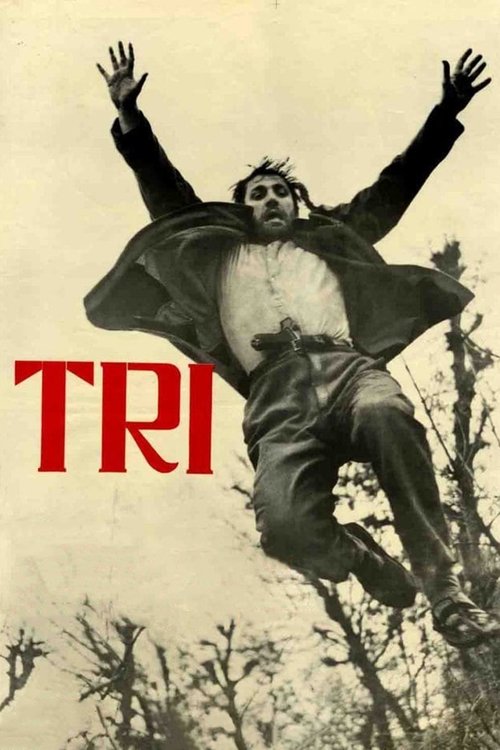
Three is a grim, episodic exploration of human dignity eroded by poverty and war. It rejects traditional heroic wartime narratives in favor of a deconstructed view of the human condition, focusing on the cyclical nature of suffering. The film provides a localized, non-Western perspective that challenges standard cinematic morality. By portraying brutality as a consequence of systemic failure and starvation, it offers a nuanced social critique rather than a straightforward tale of heroism. However, the work lacks modern markers of diversity. It does not include LGBTQ+ representation or provide women with significant individual ability to act within their socioeconomic roles.
Category Breakdown
The film does not include any LGBTQ+ characters or explore non-straight identities. It focuses solely on the survival of a rural peasant family.
Gender roles are defined by agricultural needs rather than ideological challenges. Women are portrayed in practical roles emphasizing hard work and endurance, while the male protagonist loses his traditional masculine stability.
The cast is ethnically uniform, reflecting its specific Yugoslavian setting. It avoids Western-centric whitewashing by highlighting a non-Anglo-Saxon, rural Balkan perspective during wartime.
The film critiques systemic structures and traditional morality. It depicts the peasantry's struggle against socio-political instability as a breakdown of the conventional social order.
There are no central storylines focused on neurodivergence or physical disabilities. However, the film illustrates the debilitating physical and mental impact of extreme starvation as a widespread issue.
Present on Screen
Limited or Absent
Official Synopsis
Episodic WWII drama that follows a Yugoslav man through the war as he goes from witness to victim to aggressor.
1965

1959
1968

1946
1969

1998
1973
1979
No reviews yet. Be the first to share your thoughts on this movie!
Use the rating form above to leave a star rating and optional review.