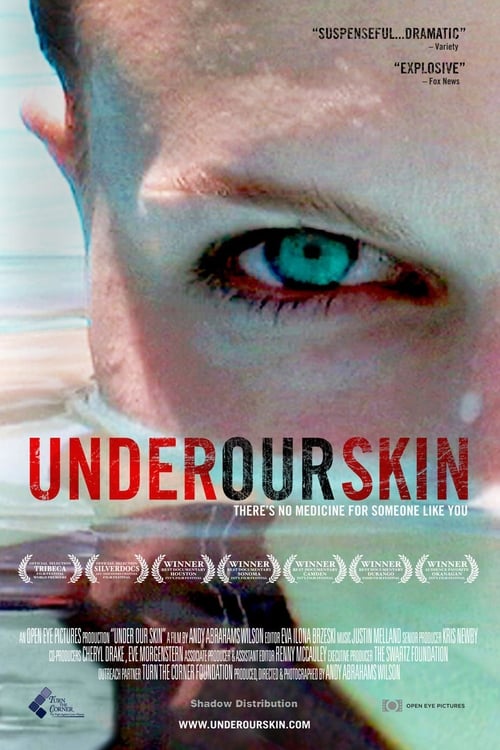
Under Our Skin
2008
No user ratings available yet
Representation score: 3.9 out of 10
Representation Score
Good
2014
TV-PGDirector
Andy Abrahams Wilson
Runtime
64 minutes
Average Rating
No ratings yetNew Showbiz Analysis
The documentary excels at shifting power dynamics by centering the lived experiences of those with invisible disabilities. By positioning patients as active investigators of systemic failure, it avoids common clichés of medical victimhood. While the film lacks explicit focus on LGBTQ+ or specific racial narratives, its global scope and critique of Western institutional authority provide a progressive framework. It effectively challenges the mainstream medical institutions. Ultimately, the film's strength lies in its investigative lens, which empowers underrepresented individuals to challenge large-scale medical and corporate infrastructures.
Category Breakdown
The film focuses on a medical crisis rather than identity-specific narratives. It includes diverse patient perspectives but lacks explicit LGBTQ+ storylines or critiques of medical practices that assume everyone is straight or cisgender.
The documentary centers the active role of patients, many of whom are women. This approach disrupts traditional hierarchies by elevating female voices navigating a medical system that often dismisses them.
The film investigates a global crisis, suggesting an international scope. However, specific details regarding the racial composition of the interviewees or cast remain unconfirmed.
The narrative critiques traditional Western institutions by investigating medical scandals and research failures. It prioritizes the lived experiences of victims over the perceived stability of the medical establishment.
This is the film's strongest area, centering individuals with chronic, invisible illnesses. It gives real power to patients, focusing on systemic complexities rather than sentimental depictions.
Present on Screen
Limited or Absent
Official Synopsis
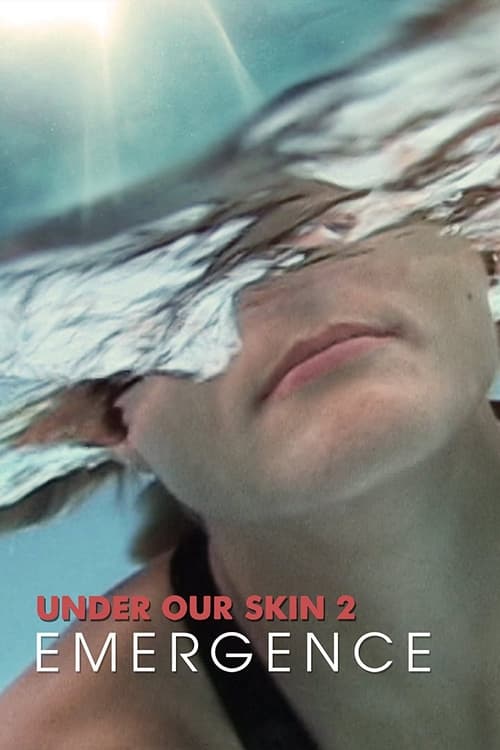
This sequel revisits the unforgettable characters from the acclaimed documentary UNDER OUR SKIN, and investigates new research and scandals in the exploding global Lyme disease crisis.
2008

2011
2017

2013

2000

2000
2017

2019
No reviews yet. Be the first to share your thoughts on this movie!
Use the rating form above to leave a star rating and optional review.