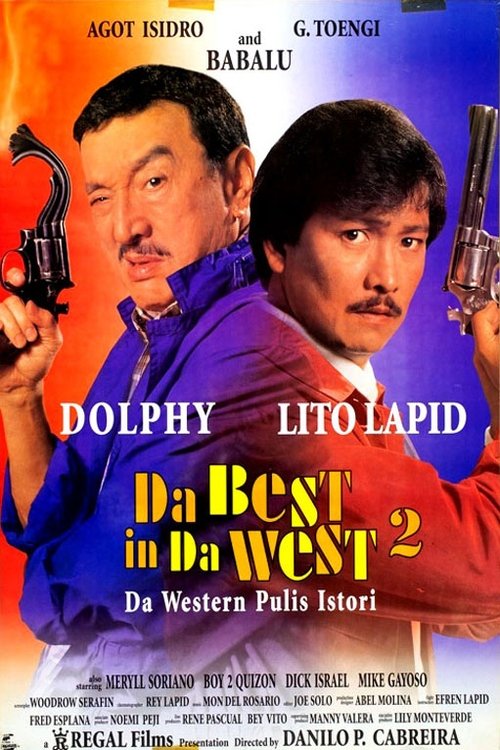
Da Best in da West 2: Da Western Pulis Istori
1996
No user ratings available yet
Diversity score: 5.6 out of 10
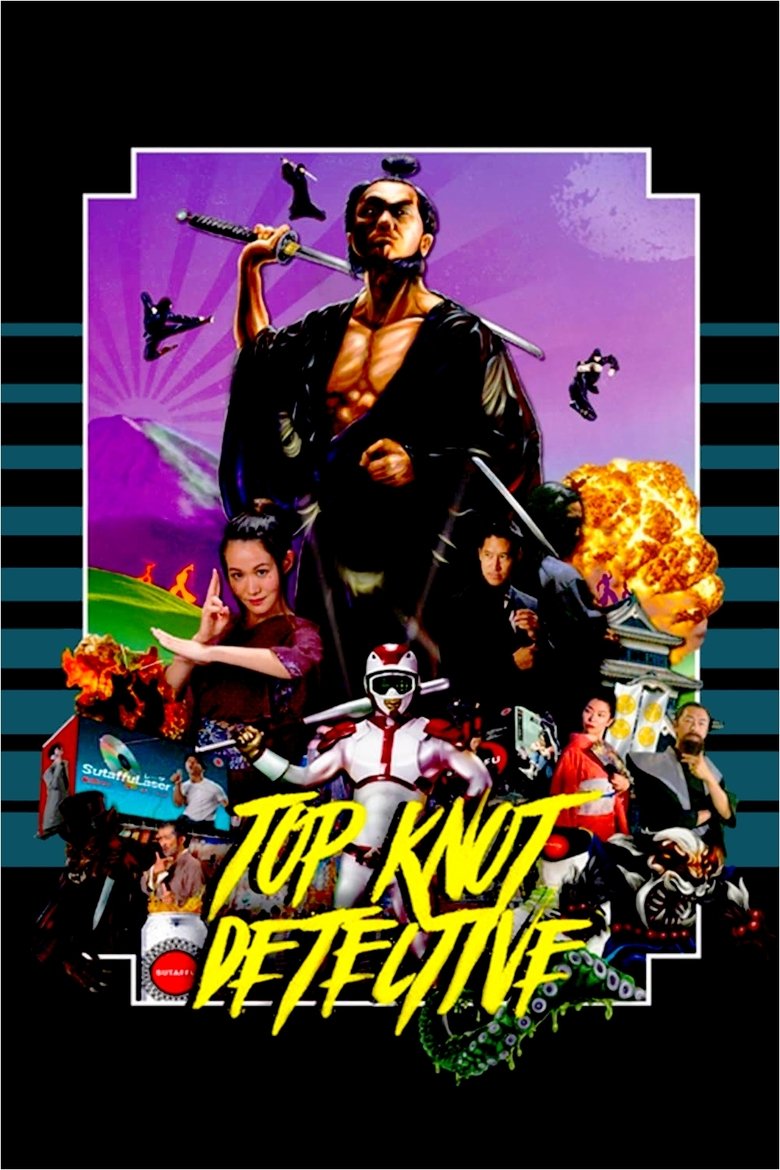
2017
Director
Aaron McCann, Dominic Pearce
Runtime
90 minutes
Average Rating
No ratings yetSynopsis
In the early 1990s, a Japanese samurai detective series was aired in Australia and became a cult success. Titled in Japan Ronin Suiri Tentai (meaning roughly Deductive Reasoning Ronin), it was soon known in the West as Top Knot Detective. The original series was legendary in Japan, a cultural train wreck led by Takashi Tawagoto, a crazy writer, producer, director and lead actor; one who could not act, fight or write at all.
Overall Score
Fair
Category Breakdown
LGBTQ+ Representation
The film lacks explicit confirmation of queer narratives or non-cisnormative identities. While its cult status and subversion of masculinity offer a framework for non-traditional identities, no specific evidence is present.
Gender Representation
The story centers on a male lead who fails to meet the standard of a competent masculine leader. This disrupts traditional hierarchies, though female agency remains unverified.
Racial & Ethnic Diversity
By focusing on a Japanese protagonist and Ronin aesthetics, the film departs from Anglo-centric detective tropes. It utilizes a specific ethnic setting as its primary narrative lens.
Religious & Cultural Diversity
The narrative adopts a skeptical, postmodern view of media legacies by framing the original series as a cultural train wreck. This avoids promoting idealized cultural narratives.
Disability Representation
There is no evidence regarding the portrayal of visible or invisible disabilities within the film's premise.
Strengths
Areas for Improvement
AI Analysis
Top Knot Detective operates as a stylistic homage to a fictionalized 1990s Japanese television series. It functions primarily as a meta-narrative that critiques media history through the lens of a flawed, incompetent protagonist. The film's strength lies in its ability to disrupt the traditional heroic archetype. By centering a character who cannot act, fight, or write, it challenges conventional expectations of the action-detective genre. However, the work lacks explicit intersectional character development. While it engages with non-Western frameworks and subverts masculine leadership, the absence of specific character data limits its overall diversity impact.
1996
1984
2020
1989
2015
1965
1959
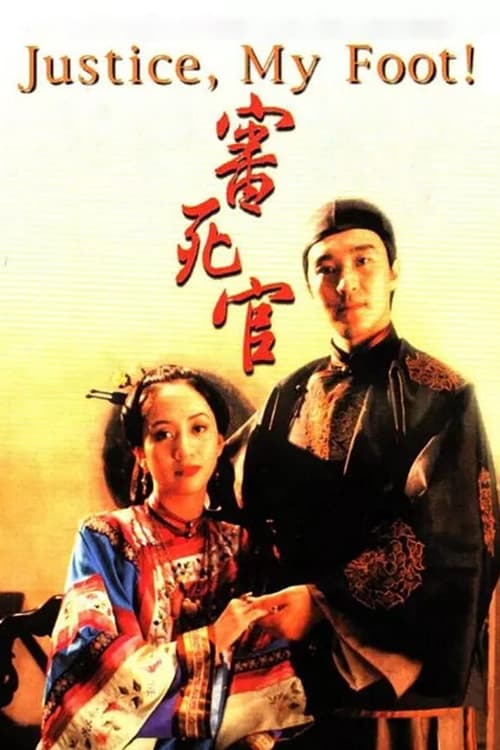
1992
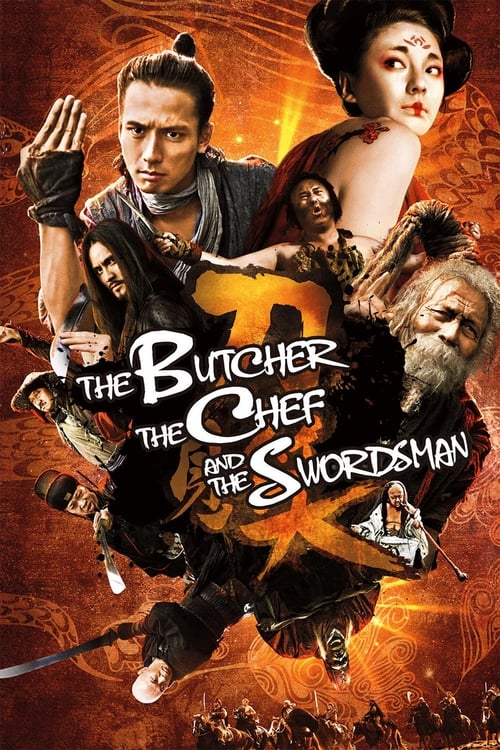
2011

2004
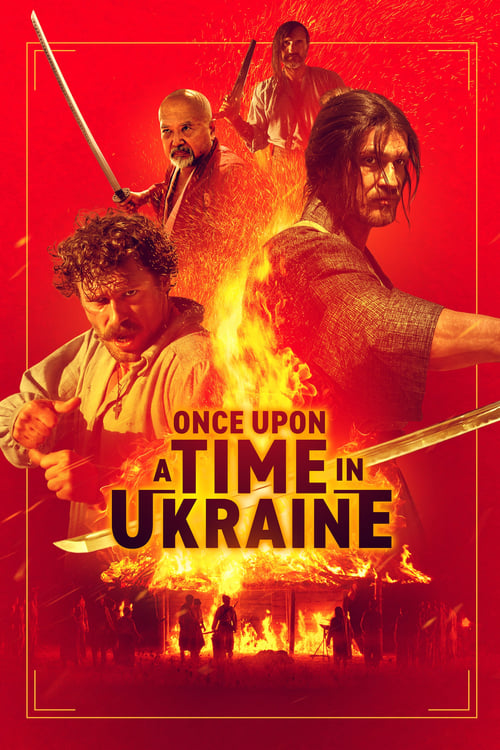
2020
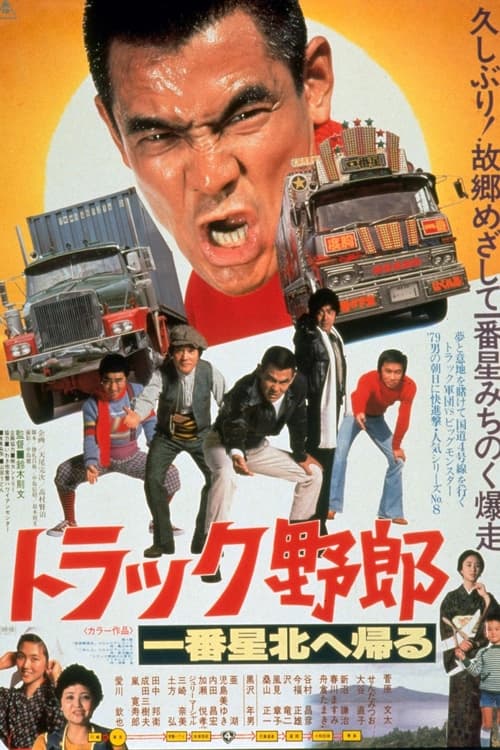
1978
No reviews yet. Be the first to share your thoughts on this movie!
Use the rating form above to leave a star rating and optional review.