Before the Rains
2007
No user ratings available yet
Representation score: 6.0 out of 10
Representation Score
Good
2019
Not RatedDirector
Abhishek Varman
Runtime
166 minutes
Average Rating
No ratings yetNew Showbiz Analysis
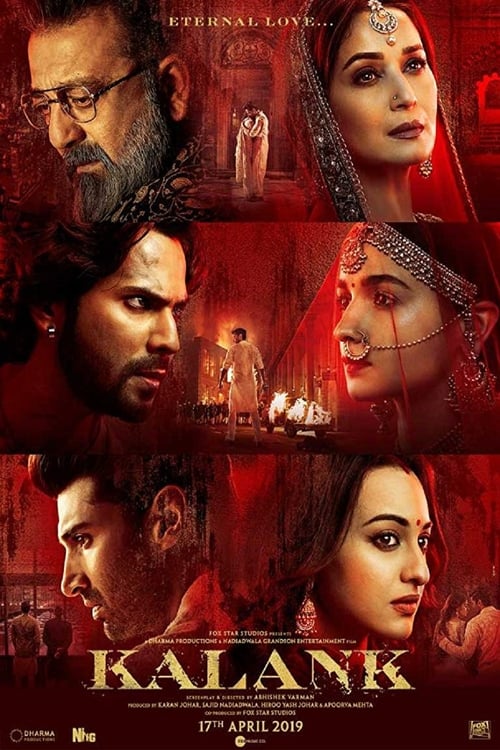
Kalank functions as a period study of class conflict and the deconstruction of social hierarchies. It uses the tension between the landed gentry and the Hira Mandi underbelly to explore post-colonial themes of identity and authority. While the film lacks representation for LGBTQ+ and disabled communities, it gains depth through its cultural critique. It disrupts the idea of noble lineage by depicting the elite class as a site of moral decay and betrayal. Ultimately, the film favors a morally relative worldview, examining how systemic fractures and ancestral vendettas impact different social strata during a time of intense historical upheaval.
Category Breakdown
The film follows a traditional romantic structure centered around straight relationships. It lacks significant presence of LGBTQ+ identities or narratives that challenge the assumption that everyone is straight or cisgender.
Female protagonists play a significant role in driving the story by navigating and resisting patriarchal social constraints. However, the plot remains driven by male-led conflicts and traditional romantic archetypes.
The setting highlights socioeconomic and communal divides in pre-partition India. It explores identity through the friction between the elite and the underrepresented Hira Mandi community.
The narrative critiques rigid class hierarchies and traditionalist structures. It portrays the 'honorable' landed gentry as being fractured by systemic corruption and secrets.
There is no significant focus on neurodivergence or physical disabilities. Characters are defined by social standing and familial allegiances rather than disability.
Present on Screen
Limited or Absent
Official Synopsis
In Pre-Independent India, circa 1945, the elite, opulent and solemn world of the Chaudhry family, and the wild, mysterious and musical underbelly of the town, Hira Mandi, clash when Roop Chaudhry encounters Zafar, a daredevil from Hira Mandi, unleashing deep-buried truths, secrets of betrayal and affairs that threaten to bring both worlds crashing down.
2007
1964

2007
1992
2015
1991
2016
2005
No reviews yet. Be the first to share your thoughts on this movie!
Use the rating form above to leave a star rating and optional review.