Living the Utopia
1997
No user ratings available yet
Representation score: 6.4 out of 10
Representation Score
Fair
2000
Director
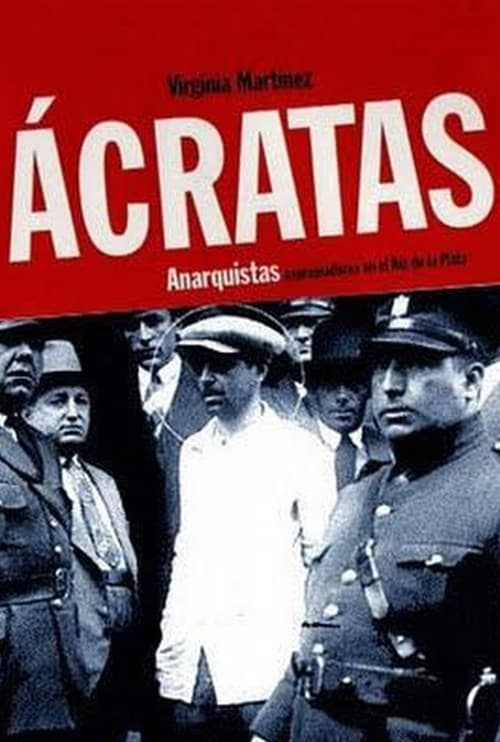
Virginia Martínez
Runtime
73 minutes
Average Rating
No ratings yetNew Showbiz Analysis
Virginia Martínez’s documentary serves as a powerful tool for historical revisionism. By reconstructing the lives of 'expropriating anarchists' in Montevideo, the film challenges monolithic state narratives and reframes outlaws as agents of systemic change. The strength of the work lies in its commitment to underrepresented voices. Through the use of archival materials and personal testimonies, it validates the experiences of those traditionally excluded from official historical records. While the film excels at deconstructing traditional authority and capitalist structures, it remains neutral regarding specific identity-based representations like LGBTQ+ or disability. The focus remains primarily on class-based and socio-political resistance.
Category Breakdown
The film focuses on early 20th-century socio-political movements. There is no explicit depiction of non-straight relationships or same-sex intimacy.
The documentary highlights individuals operating outside state-sanctioned social structures. However, there is no clear indication of women taking a leading role in driving the plot.
By using survivor testimonies and archival materials, the film presents a diverse range of ethnic and social backgrounds within a South American context.
The film prioritizes perspectives opposing established Western institutions. It portrays anarchists as part of a complex systemic struggle rather than just criminals.
There is no specific information regarding the portrayal of physical or neurodivergent disabilities in this work.
Present on Screen
Limited or Absent
Official Synopsis
Armed based on photography, period films, archival materials and testimonies of survivors, family members and historians, the documentary accurately and exquisitely reconstructs the course of the “expropriating anarchists” in the Río de la Plata and specifically in Montevideo del First third of the 20th century.
1997
2002
2006
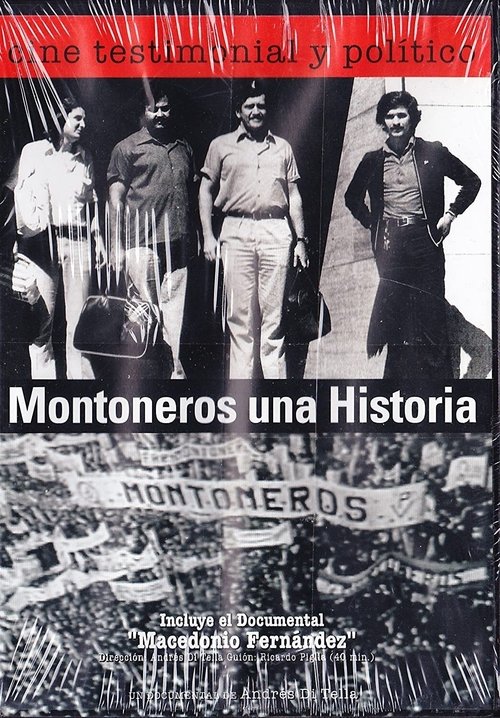
1998
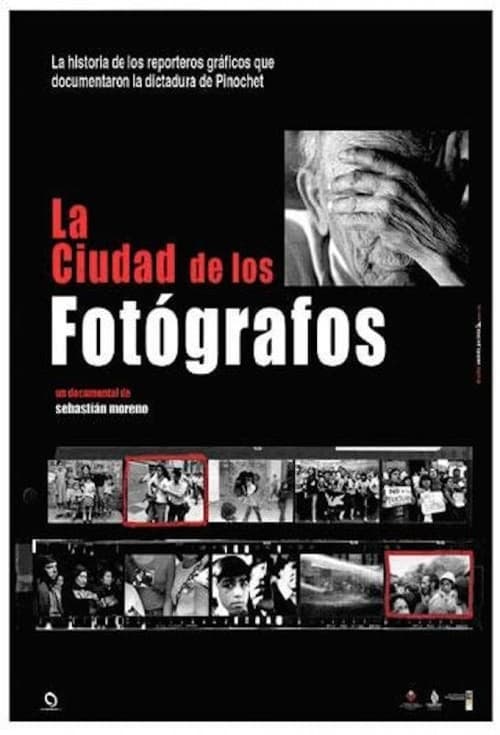
2006
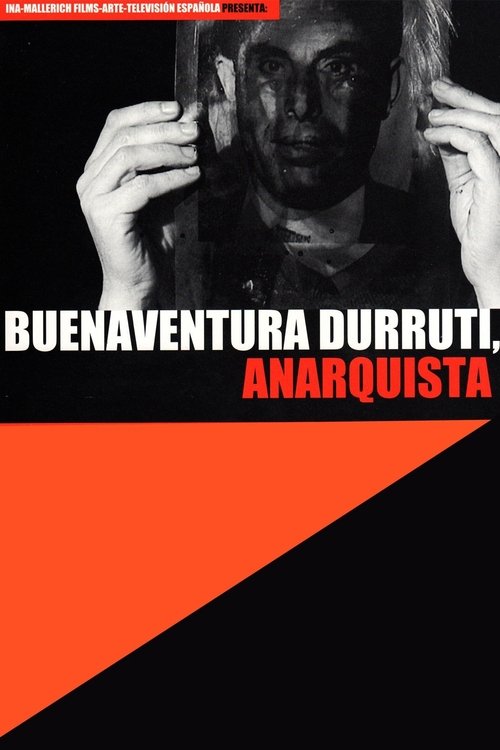
2000

1983
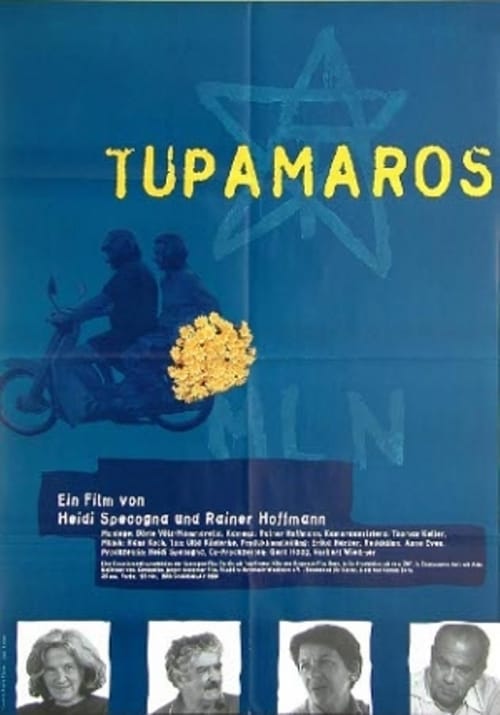
1997
No reviews yet. Be the first to share your thoughts on this movie!
Use the rating form above to leave a star rating and optional review.