
Ghost Light
2020
No user ratings available yet
Representation score: 3.3 out of 10
Representation Score
Fair
2015
Director
Phil Wurtzel
Runtime
100 minutes
Average Rating
No ratings yetNew Showbiz Analysis
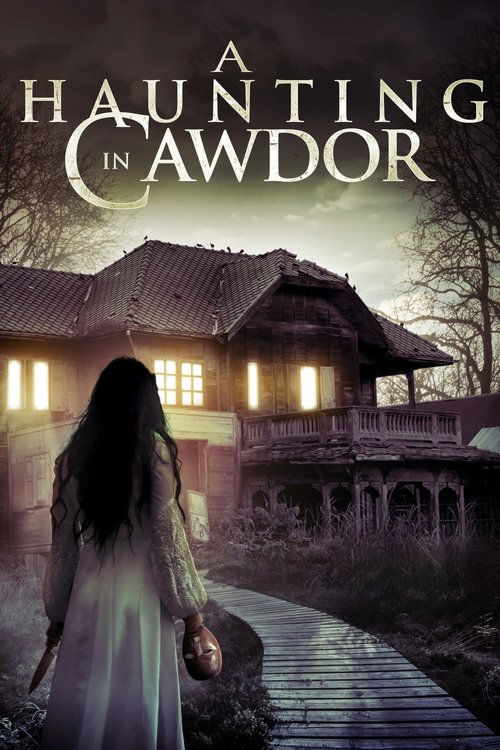
A Haunting in Cawdor centers its narrative on a female lead who play a significant role in driving the story, moving away from the passive victim cliché often found in horror. The film also challenges traditional masculine competence through Lawrence O’Neil’s character arc. However, the film lacks multi-layered depth. The cast appears demographically homogeneous, and there is no visible representation of LGBTQ+ identities or diverse racial backgrounds within the provided framework. While the story explores the friction of the carceral system, it stays within standard genre conventions. The representation of the 'outcast' character remains ambiguous and potentially stereotype-driven.
Category Breakdown
The film does not include any explicit depictions of LGBTQ+ identities or same-sex relationships. The story focuses solely on the psychological tension between the main characters.
Vivian Miller is a strong female lead who drives the investigation. Lawrence O’Neil portrays a declining male figure both professionally and emotionally.
The story seems to focus on a homogeneous demographic typical of regional Midwest thrillers. There is no mention of diverse casting or non-white characters in the ensemble.
The plot touches on systemic issues through the lens of the criminal justice system and probation. However, it does not provide an overt secularist or anti-capitalist critique.
Roddy is described as a local outcast, which might suggest neurodivergence or social exclusion. It is unclear if this role offers genuine ability to act or relies on stereotypes.
Present on Screen
Limited or Absent
Official Synopsis
In this tense tale of psychological terror, Vivian Miller (Young) is a young twenties woman who’s serving out her jail sentence at a work release program in the Midwest. Her 90 days of probation takes her to The Cawdor Theater, a dilapidated summer stock theater run by Lawrence O’Neil (Elwes). Lawrence, a failed Broadway director, is now reduced to staging amateur productions with young parolees and raging over the mistakes from his past. Vivian’s arrival in Cawdor starts a terrifying series of events that brings Lawrence’s secret past to the present. After Vivian views an old taped stage production of Macbeth, a force of evil is unleashed which soon turns its sights on her. With the help of Roddy (Welch), a local outcast, Vivian sets about trying to discover who the supernatural killer on the tape is before she becomes the next victim.
2020
2012
2019
2015
2014
2012
2008
2009
No reviews yet. Be the first to share your thoughts on this movie!
Use the rating form above to leave a star rating and optional review.