You are here:

The New Champion

The New Champion

Representation Score

0.2/10

Minimal

1925

Passed

Director

B. Reeves Eason

Runtime

50 minutes

Average Rating

No ratings yet

New Showbiz Analysis

The New Champion is a quintessential example of early 20th-century action-drama, emphasizing a traditional hero's journey. The narrative focuses on masculine achievement and physical competition, offering little in the way of social complexity. Representation is limited, adhering to the era's homogeneous casting and gender clichés. The plot operates through a narrow lens of individual success and straight-centered romance. Ultimately, the film reinforces existing social hierarchies rather than challenging them. It lacks the layered depth or critical examination of more progressive storytelling.

Watch this, not that →

Category Breakdown

Does The New Champion have LGBTQ+ representation?

Minimal

The film does not include any LGBTQ+ characters or stories about non-cisgender identities. It follows a typical romantic storyline without any queer undertones.

How does The New Champion portray gender?

Limited

The story relies on the 'damsel' archetype, where the female character is portrayed as a prize to be won. This reinforces traditional gender roles and passive female roles.

How racially and ethnically diverse is The New Champion?

Minimal

There are no diverse cast members or non-white characters. The film seems to follow the homogeneous casting practices of the 1920s.

How does The New Champion represent religion and culture?

Limited

The narrative centers on Western ideals of physical strength and manual labor. It upholds meritocratic values without questioning social structures.

Does The New Champion include disability representation?

Minimal

A hand injury serves only as a plot device to shift the protagonist role. It does not explore disability or neurodivergence in a nuanced way.

Present on Screen

  • The film offers a clear, classic underdog narrative focused on physical merit and achievement.

Limited or Absent

  • The film relies on passive female archetypes and lacks racial or LGBTQ+ diversity.
  • Disability is used as a functional plot device rather than a meaningful character element.

Official Synopsis

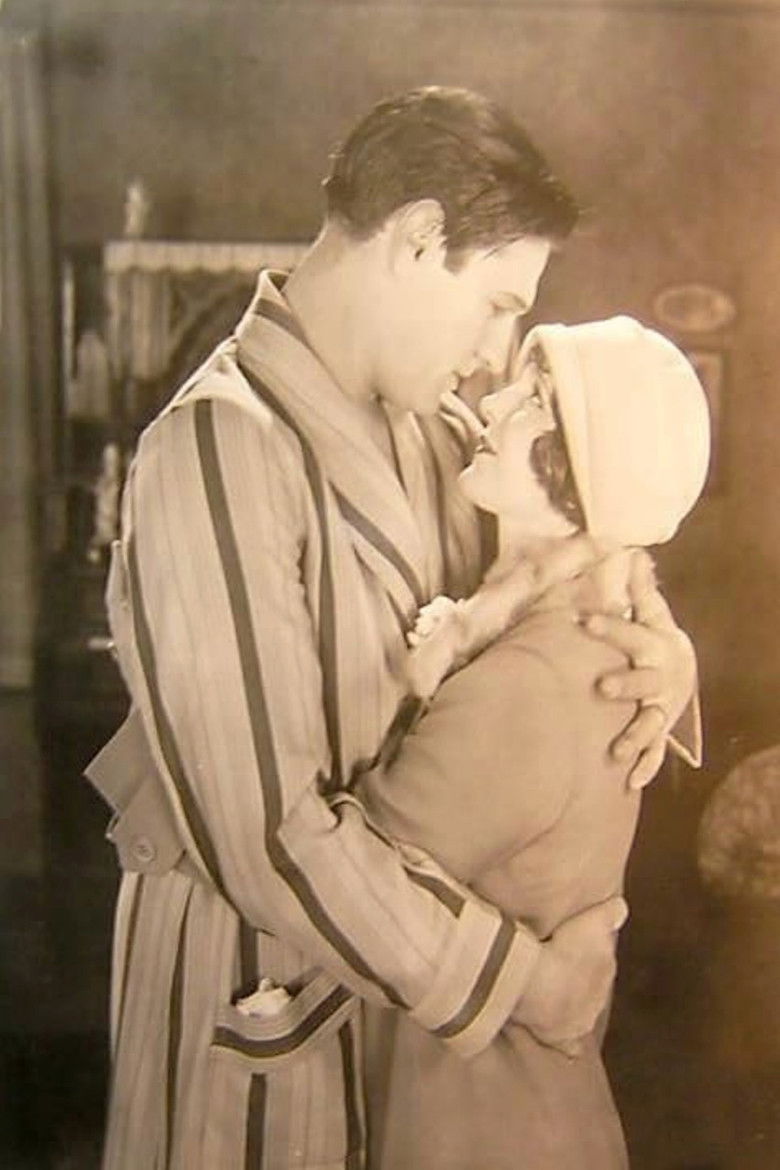
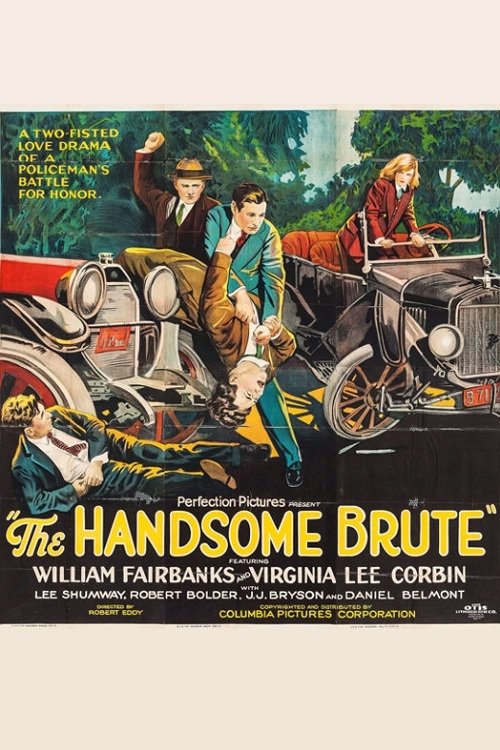
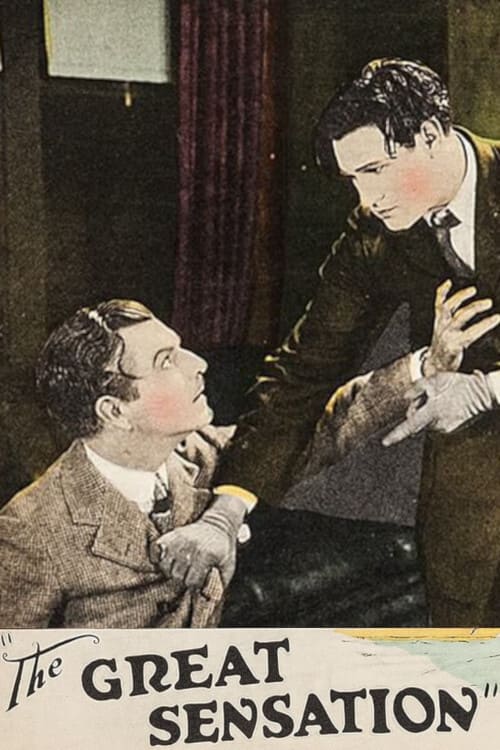
When prizefighter "Knockout" Riley (Frank Hagney) injures his hand in a car accident, Bob (William Fairbanks), a blacksmith's assistant enters a championship bout in his place...and wins the fight and the damsel.

How are these scores produced? →

Where to Watch

Rate this Movie

No rating selected
Use arrow keys to select a rating from 1 to 5 stars
Optional text review, maximum 2000 characters
Tip: Wrap spoilers with ||double pipes|| to hide them
0/2000 characters
You must be signed in to submit a rating

Reviews

No reviews yet. Be the first to share your thoughts on this movie!

Use the rating form above to leave a star rating and optional review.