
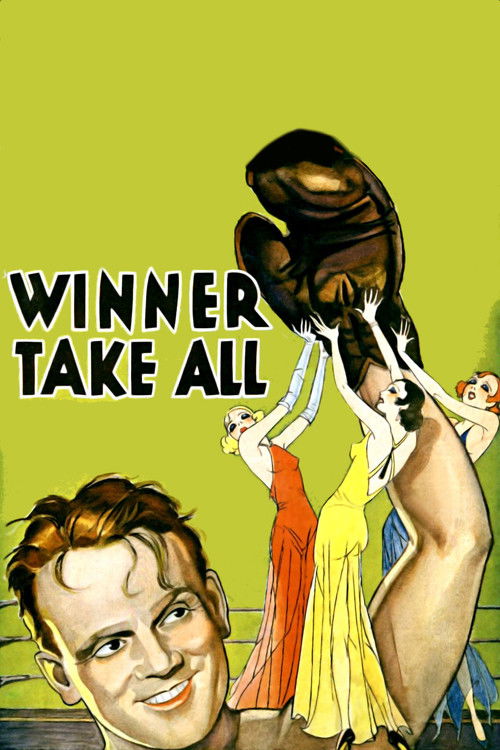
Iron Man
1931
No user ratings available yet
Representation score: 1.8 out of 10
Representation Score
Limited
1932
NRDirector
Roy Del Ruth
Runtime
66 minutes
Average Rating
No ratings yetNew Showbiz Analysis
Winner Take All is a product of its time, adhering strictly to the social and narrative conventions of the early 1930s. The film relies on conventional archetypes, centering the plot on a male protagonist's professional journey and physical recovery. While the setting offers potential for cultural variety, the story remains focused on traditional romantic and domestic structures. Characters primarily serve to uphold established social norms rather than challenge them. Ultimately, the film presents a narrow view of identity and ability to act, reflecting the mainstream studio era's standard demographic presentations.
Category Breakdown
The film does not include any characters with non-straight or non-cisgender identities. The story focuses on a traditional romance between a man and a woman.
Gender roles align with era-specific stereotypes. The male lead drives the professional plot through boxing, while the female lead is confined to a domestic caretaking role.
Despite being set in New Mexico, the cast lacks racial and ethnic diversity. The story adheres to typical Anglo-Saxon demographic representations of the 1930s.
The plot upholds traditional Western values concerning family and perseverance. It follows a standard storyline that emphasizes the importance of the nuclear family.
A sickly son introduces physical vulnerability to the story. However, it is unclear whether he plays a significant role in driving the plot or exists merely as a tool for emotional development.
Present on Screen
Limited or Absent
Official Synopsis
Overworked boxer Jim goes to a health ranch in New Mexico to recover where he falls in love with Peggy and her sickly son. Once recovered, Jim leaves to return to the ring. Can their romance survive the distance?
1931

1930
1929
1927
1929
1927

1932

1939
No reviews yet. Be the first to share your thoughts on this movie!
Use the rating form above to leave a star rating and optional review.