
Chicken in the Rough
1951
No user ratings available yet
Diversity score: 1.3 out of 10
1943
NRDirector
Clyde Geronimi
Runtime
8 minutes
Average Rating
No ratings yetSynopsis
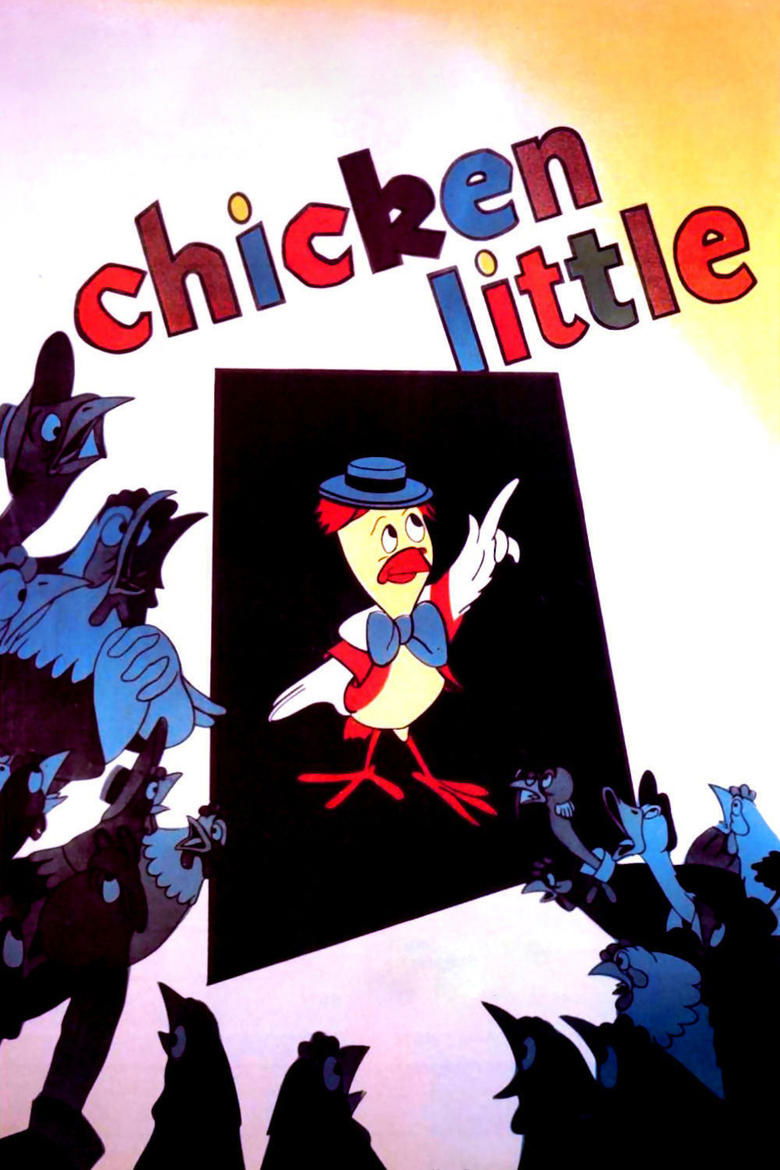
It's a peaceful day at the local poultry farm until Foxy Loxy happens along intent on a chicken dinner. He takes the advice of a book on psychology by striking "the least intelligent" first and convinces dim witted Chicken Little the sky is falling. Chicken Little spreads the word but when head man Cocky Locky proves the story to be false, Foxy Loxy spreads rumors that Cocky Locky isn't the smart chicken he appears to be, which leads to the ultimate undoing of the chickens at the hands of Foxy Loxy.
Overall Score
Minimal
Category Breakdown
LGBTQ+ Representation
The film focuses entirely on anthropomorphic farm animals within a traditional fable structure. There is no presence of non-cisnormative identities or same-sex intimacy.
Gender Representation
The narrative revolves around masculine competence and traditional archetypes. Conflict is driven by male characters, reinforcing a hierarchy centered on male authority and leadership.
Racial & Ethnic Diversity
The cast consists of a homogeneous group of animal characters. The film lacks human racial or ethnic identifiers, focusing instead on universal themes of panic.
Religious & Cultural Diversity
The story functions as a cautionary tale about misinformation. It reinforces a stable social order rather than engaging with diverse cultural or secularist themes.
Disability Representation
Chicken Little is portrayed as dim-witted, using cognitive differences as a comedic device. There is no nuanced portrayal of characters with disabilities possessing agency.
Strengths
Areas for Improvement
AI Analysis
Chicken Little (1943) operates as a classical moral fable centered on the dangers of mass hysteria. The narrative architecture is designed to reinforce social stability and caution against the disruption of order through individual error. The film lacks intentionality regarding intersectional representation. It relies on traditional mid-century moral frameworks and archetypes that do not challenge systemic social structures. Ultimately, the film is a product of its era, prioritizing a singular comedic arc over diverse or nuanced character perspectives.
1951
1938
1952
1950
1936
1954
1946
1973
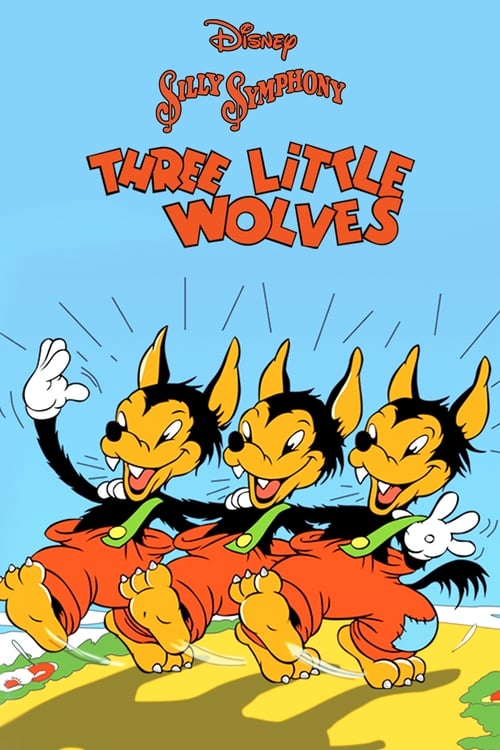
1936
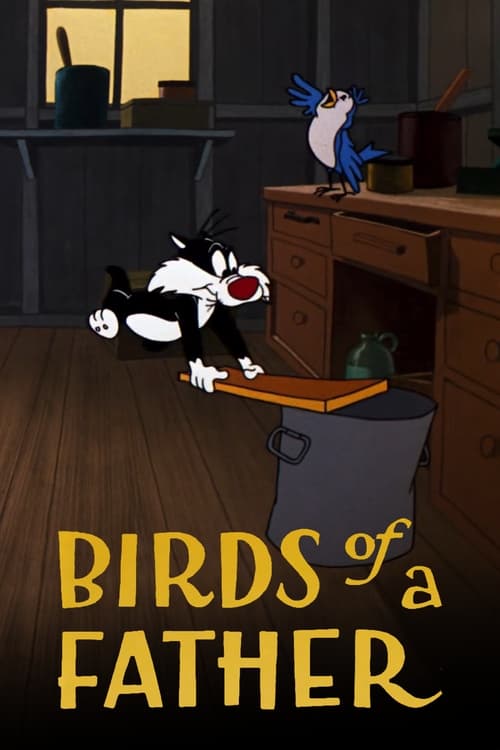
1961
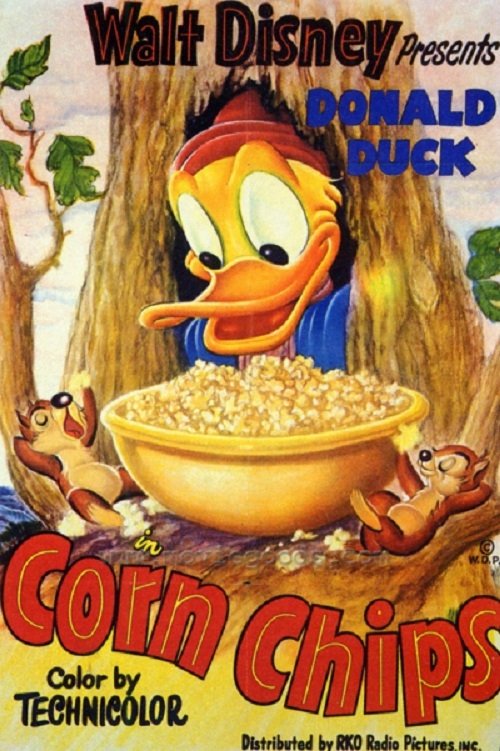
1951
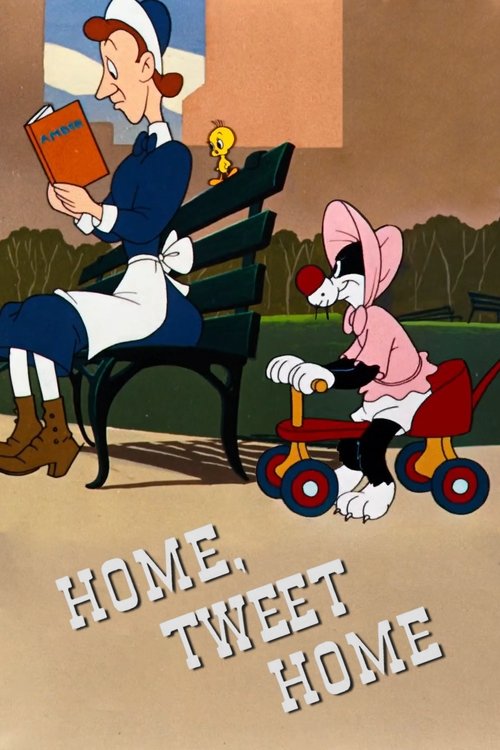
1950
No reviews yet. Be the first to share your thoughts on this movie!
Use the rating form above to leave a star rating and optional review.