Passion Fish
1992
No user ratings available yet
Representation score: 9.3 out of 10
Representation Score
Excellent
1992
RDirector
Michael Steinberg, Neal Jimenez
Runtime
106 minutes
Average Rating
No ratings yetNew Showbiz Analysis
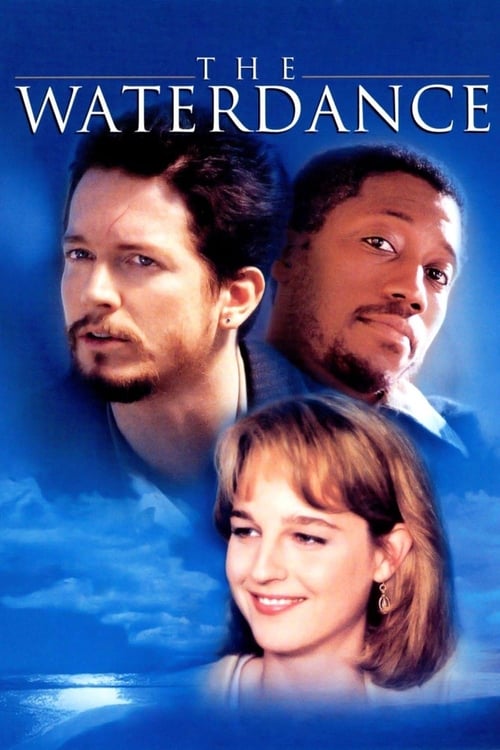
The Waterdance is a poignant character study that explores the intersection of disability and queer identity. By centering on Joel's recovery and his relationship with Anna, the film moves beyond standard dramatic clichés to examine how physical trauma shapes one's sense of self. The film succeeds by presenting vulnerability rather than heroism. It avoids the pitfalls of typical disability narratives, opting instead for a grounded look at the systemic and personal hurdles of life after a catastrophic injury. While the film lacks a broader critique of social institutions, its commitment to portraying non-normative lifestyles and the fragility of the male body makes it a significant work for its era.
Category Breakdown
The film centers around Joel and his relationship with his lover, Anna. Their same-sex relationship is crucial to Joel's journey towards stability and reintegration.
The narrative challenges traditional views of masculinity by highlighting the physical and psychological vulnerabilities of its male characters. It emphasizes emotional labor over dominance or invulnerability.
Set in the American Southwest, the film explores racial tensions through characters like Bloss, a racist biker. This provides a more diverse social landscape than typical 1990s dramas.
The story focuses on characters living on the fringes of conventional social structures. It prioritizes individual truth and personal redemption over critiques of Western institutions.
This is the film's strongest element, depicting Joel's spinal injury as a complex, lived experience. It avoids inspirational stories by focusing on the genuine challenges of physical recovery.
Present on Screen
Limited or Absent
Official Synopsis
Author Joel Garcia breaks his neck while hiking, and finds himself in a rehab center with Raymond, an exaggerating ladies man, and Bloss, a racist biker. Considerable tension builds as each character tries to deal with his new found handicap and the problems that go with it, especially Joel, whose lover Anna is having as difficult a time as he is.
1992

2013
2017

2019
2013
1991
1978

2019
No reviews yet. Be the first to share your thoughts on this movie!
Use the rating form above to leave a star rating and optional review.