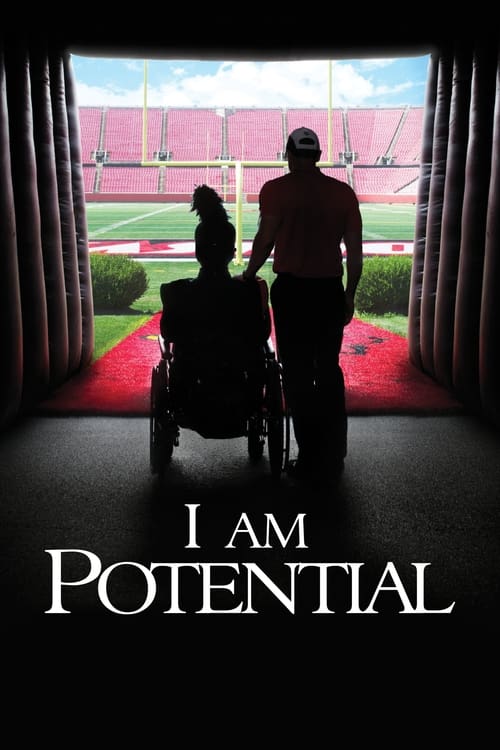
I Am Potential
2015
No user ratings available yet
Representation score: 4.6 out of 10

Representation Score
Good
2013
PGDirector
Allan Harmon
Runtime
89 minutes
Average Rating
No ratings yetNew Showbiz Analysis
The film places a character with a significant disability at the center of the narrative, emphasizing personal ability to act and physical capability over sentimentality. While the film explores complex social themes through its legal and moral frameworks, it lacks explicit representation of LGBTQ+ identities or dynamics. Gender representation remains centered on male figures, offering little subversion of traditional roles. Overall, the work provides a nuanced look at how individuals navigate systemic friction and personal goals, even if it does not cover a broad spectrum of social identities.
Category Breakdown
The story focuses on the protagonist's physical challenges and family ties. There is no explicit mention of LGBTQ+ identities or dynamics that go beyond assuming everyone is straight or cisgender.
The story centers on a male protagonist and his relationship with his father. It explores a father-son dynamic but does not challenge traditional gender roles.
Themes involving a probation officer and someone evading the law suggest engagement with systemic and institutional complexities. The film provides a foundation for exploring social and legal standing.
The pairing of legal authority with an outlaw disrupts standard hero-villain binaries. This setup allows for a nuanced exploration of subjective morality and systemic friction.
The film centers on a blind protagonist who pursues cross-country running. This emphasizes personal ability to act and physical capability rather than relying on pity or inspiration clichés.
Present on Screen
Limited or Absent
Official Synopsis
Alex, blind since the age of two, dreams of running for his school's cross-country team. His father, a probation officer, finds a running partner who spends his time 'running' from the law.
2015

2014
2014

2017
2022
2011

2013
2017
No reviews yet. Be the first to share your thoughts on this movie!
Use the rating form above to leave a star rating and optional review.