
Morgan
2012
No user ratings available yet
Representation score: 3.9 out of 10
Representation Score
Good
2013
GDirector
Nils Tavernier
Runtime
94 minutes
Average Rating
No ratings yetNew Showbiz Analysis
The film succeeds by centering a character with a physical disability as a proactive driver of change rather than a passive figure. Julien drives the narrative through his own willpower and challenges, providing a strong foundation for disability representation. However, the film lacks breadth in other areas. The narrative remains centered on a traditional family structure and a homogeneous French setting, offering little in the way of racial or LGBTQ+ diversity. Ultimately, the work is most effective when it challenges traditional masculine archetypes and the myth of the perfect Western family, replacing them with a nuanced look at human vulnerability and the complexities of caregiving.
Category Breakdown
The film focuses on a traditional familial unit. There is no explicit evidence of LGBTQ+ characters or narratives exploring non-straight relationships.
The story disrupts traditional gender roles by portraying the father as a vulnerable man rather than a stoic leader. It shifts power dynamics from traditional protector roles to a shared struggle.
Set in a localized French context, the narrative appears to operate within a relatively homogeneous framework. There is no explicit evidence of a multi-ethnic cast.
The film deconstructs the 'ideal family' by showing a unit falling apart under strain. It prioritizes the raw reality of caregiving over sanitized, moralistic depictions of domestic life.
Julien, a character with cerebral palsy, serves as the primary catalyst for the plot. He asserts his own choices and will by challenging his father to participate in an Ironman race.
Present on Screen
Limited or Absent
Official Synopsis
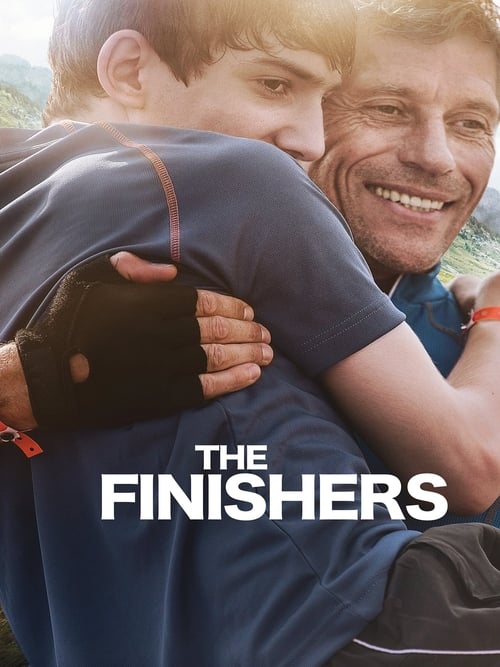
Julien, 17, is wheelchair-bound due to cerebral palsy. Despite their love for him, his family is gradually falling apart under the strain of dealing with his disability. In a bid to bond with his father, Julien challenges him to participate with him in the Ironman race in Nice (French Riviera), a triathlon in which his father has previously competed.
2012

2013
2021
1985
2015

2016
2000
2014
No reviews yet. Be the first to share your thoughts on this movie!
Use the rating form above to leave a star rating and optional review.