
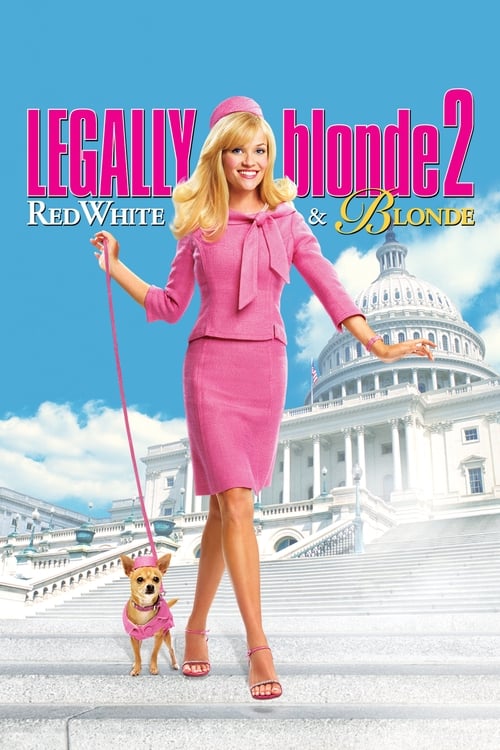
Legally Blonde
2001
No user ratings available yet
Representation score: 5.1 out of 10
Representation Score
Good
2003
PG-13Director
Charles Herman-Wurmfeld
Runtime
95 minutes
Average Rating
No ratings yetNew Showbiz Analysis
The film effectively uses Elle Woods to challenge traditional gender hierarchies, demonstrating that feminine appearance can coexist with intellectual and political prowess. It employs postmodern humor to question established legal and political systems. However, the narrative lacks depth in representing diverse racial and LGBTQ+ identities. While the film presents a diverse cast, it does not provide meaningful arcs for these characters. Overall, the film excels in promoting gender equality but falls short in its portrayal of LGBTQ+ identities and disabilities.
Category Breakdown
The story focuses on heterosexual relationships, and there are no significant roles for non-cisgender identities. The film lacks substantial representation for LGBTQ+ individuals.
Elle Woods challenges traditional gender roles by showing that feminine appearance can coexist with strong intellect and leadership. The film successfully breaks down stereotypes that link femininity with a lack of competence.
The film features a diverse cast in the political setting, but the focus remains on the protagonist's individual journey. The cast does not represent a non-Anglo-Saxon majority.
The film addresses corporate ethics through animal rights activism, but it stays within Western democratic frameworks. It supports reformist activism rather than a deeper critique of systemic issues.
The film does not engage significantly with physical or neurodivergent disabilities. There are no prominent characters with disabilities that drive the plot.
Present on Screen
Limited or Absent
Official Synopsis
Now a rising young lawyer, Elle Woods is about to make partner at her firm, but when she finds out her dog's relatives are being used as cosmetic test subjects, she heads to Washington D.C. to fight for animal rights.
2001
2005

2002
2004
2003

1997

2009

1996
No reviews yet. Be the first to share your thoughts on this movie!
Use the rating form above to leave a star rating and optional review.