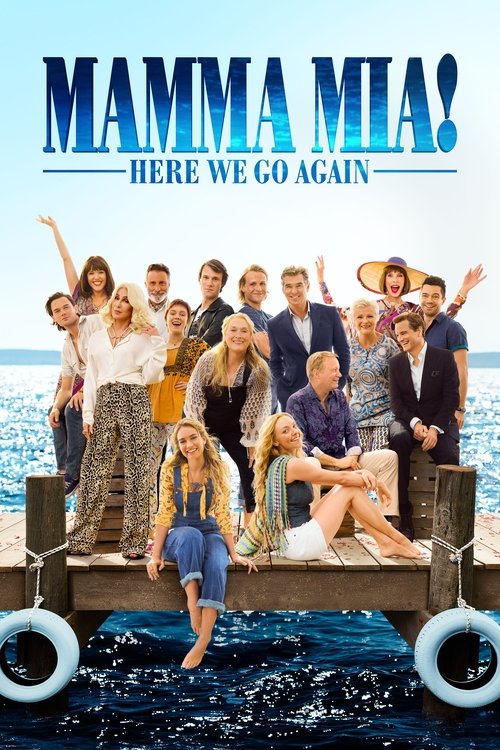
Mamma Mia! Here We Go Again
2018
No user ratings available yet
Representation score: 4.3 out of 10
Representation Score
Fair
2008
PG-13Director
Phyllida Lloyd
Runtime
108 minutes
Average Rating
No ratings yetNew Showbiz Analysis
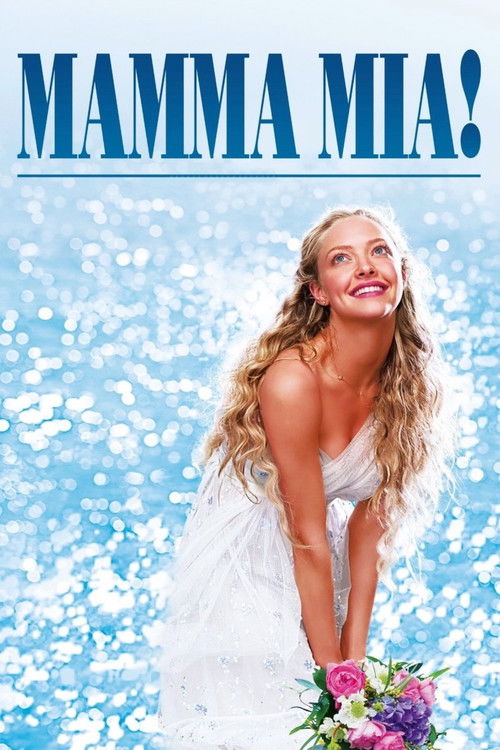
Mamma Mia! stands out by challenging traditional gender hierarchies. By placing women's ability to drive the story, economic independence, and matriarchal support systems at the forefront, it moves away from patriarchal structures to celebrate women as the primary architects of their own lives. However, the film lacks depth in representing diverse identities. Its narrative structure is heavily reliant on heterosexual relationships and a predominantly white, Eurocentric cast, limiting its engagement with non-cisgender perspectives and racial diversity. Ultimately, Mamma Mia! serves as a celebratory musical that prioritizes emotional escapism. It successfully portrays female friendship and autonomy but remains narrow in its broader social and cultural representation.
Category Breakdown
The story focuses on heterosexual relationships and biological connections. It highlights the bond between Donna and her friends as a chosen family but does not include explicit representations of non-binary gender identities.
The film emphasizes the role of women, showcasing their resilience and intelligence. Donna’s strength and Sophie’s decisiveness propel the plot, while masculinity is often shown through emotional vulnerability.
The cast is primarily white and Eurocentric, reflecting a specific Mediterranean aesthetic. The narrative does not significantly blend races or challenge Anglo-centric casting norms.
The film prioritizes personal happiness and emotional authenticity over strict religious doctrine. It upholds a traditional view of the family unit while expanding the concept of fatherhood.
There are no prominent depictions of visible or invisible disabilities that serve as central character arcs or plot devices.
Present on Screen
Limited or Absent
Official Synopsis
A spirited young bride-to-be living with her single mother on a small Greek island secretly invites three of her mother's ex-boyfriends in hope of finding her biological father to walk her down the aisle.
2018

2017
2011
2013
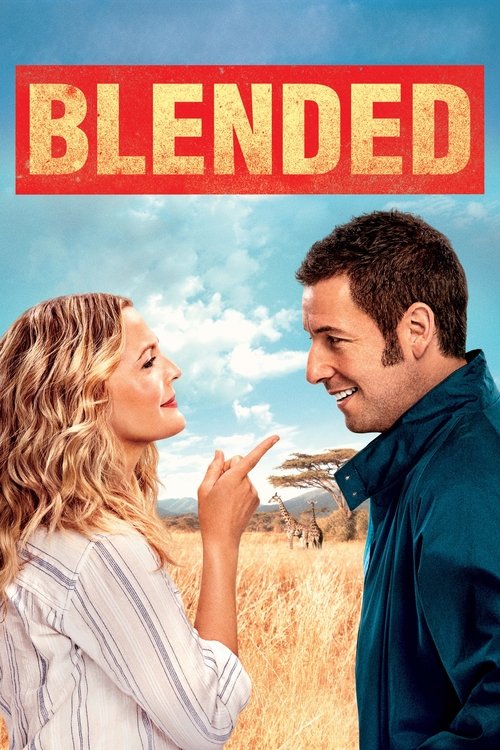
2014

2014

2008

2007
No reviews yet. Be the first to share your thoughts on this movie!
Use the rating form above to leave a star rating and optional review.