The Fall
2016
No user ratings available yet
Representation score: 6.6 out of 10
Representation Score
Good
2013
TV-GDirector
Shola Lynch
Runtime
60 minutes
Average Rating
No ratings yetNew Showbiz Analysis
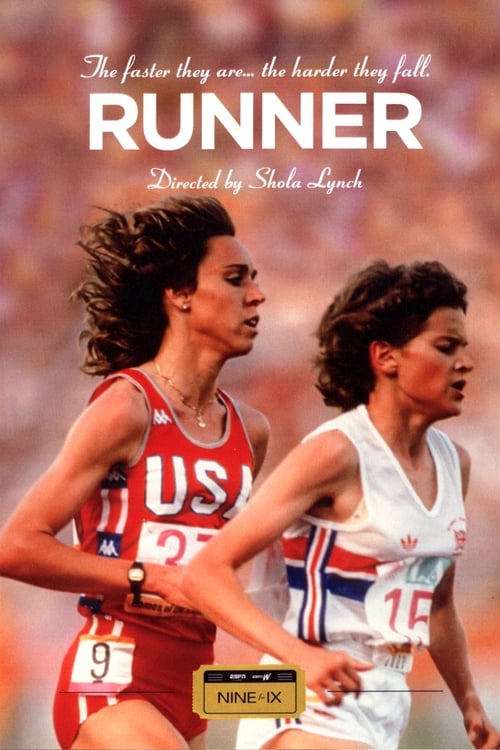
Runner is a focused biographical study of Mary Decker's dominance and heartbreak in the world of track and field. It succeeds in portraying women's ability to drive the story and the impact of political institutions on individual lives. However, the film remains a traditional, homogeneous narrative. It lacks broader multi-layered diversity, particularly regarding racial and LGBTQ+ representation.
Category Breakdown
The film focuses exclusively on Mary Decker's athletic career and physical struggles. There are no LGBTQ+ characters or critiques of the assumption that everyone is straight or cisgender in the narrative.
The documentary highlights a female protagonist with strong ability to act and physical dominance. By portraying her intense competitive hunger, the film challenges traditional hierarchies that often minimize female athletic prowess.
The narrative centers on a singular American athlete within a specific track and field context. It lacks a diverse cast or multi-layered supporting perspectives.
The story explores how geopolitical events, like the 1980 U.S. Olympic boycott, impact personal ability to act. It frames institutional mandates as sources of systemic frustration for the individual.
The film acknowledges human frailty by depicting physical trauma and injury. It moves beyond idealized athletic perfection to show the reality of bodily limitation and pain.
Present on Screen
Limited or Absent
Official Synopsis
Mary Decker obliterated opponents and records with blazing speed and a starving hunger to win. She dominated her sport, holding US records in every distance from 800 to 10,000 meters, and she did it all without the Olympics. She was too young in '72, hurt in '76 and shut out by the U.S. boycott in '80. As Sports Illustrated's cover Sportswoman of the Year in 1983, she was ready: 1984 was the target, with the Olympics in LA and her skills at their 25 year-old peak. But the story leads to a single shocking moment in the 1984 Olympics, with Mary writhing on the ground in physical pain and emotional heartbreak with the whole world watching.
2016
2016
1985
2005

2010
2014
1995

2008
No reviews yet. Be the first to share your thoughts on this movie!
Use the rating form above to leave a star rating and optional review.