Runner
2013
No user ratings available yet
Representation score: 6.0 out of 10
Representation Score
Good
1985
Director
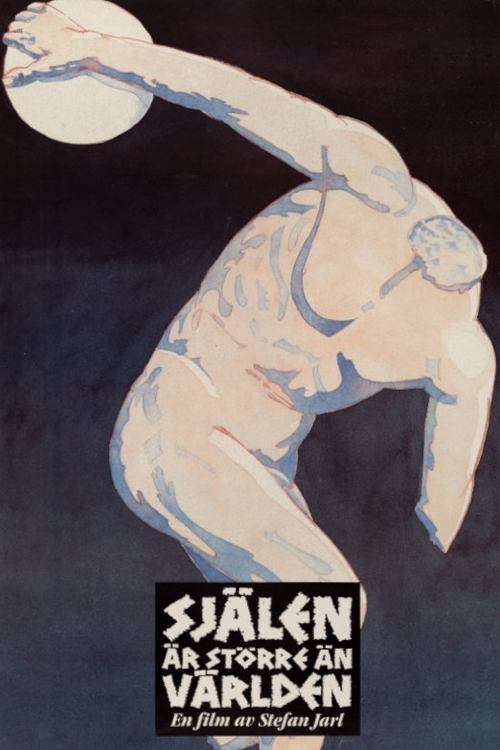
Stefan Jarl
Runtime
105 minutes
Average Rating
No ratings yetNew Showbiz Analysis
Stefan Jarl’s documentary is a study of social realism that emphasizes the psychological and socioeconomic fringes of Swedish society. It excels in humanizing the disenfranchised and critiquing the indifference of state institutions such as the Olympic Committee. However, the film lacks demographic diversity. Its focus on a specific national athlete during a particular era results in limited representation of LGBTQ+ and racial diversity, reflecting the homogeneity of the time period. Ultimately, the work stands out for its deconstruction of institutional authority and its empathetic portrayal of mental intensity and personal ability to act.
Category Breakdown
The film centers on the intense psychological journey of Ricky Bruch, focusing solely on his experiences without depicting any non-cisgender identities or same-sex relationships.
The movie portrays masculinity through self-destructive neurosis rather than traditional dominance, shifting the focus from physical strength to psychological vulnerability.
The film reflects the demographic homogeneity of 1980s Stockholm, exploring socioeconomic diversity among the underclass but lacking significant racial blending.
It offers a critical view of Western institutions and the Swedish welfare state, highlighting the conflict between individuals and bureaucratic power structures.
The documentary presents a nuanced look at neurodivergence through Ricky Bruch's obsessive training routines, treating his psychological intensity with dignity.
Present on Screen
Limited or Absent
Official Synopsis
A documentary about Swedish Discus champion Ricky Bruch as he prepares for the 1984 Olympics. The film highlights Bruch's obsessive behavior regarding his training and preparations. Facing difficulties with the Swedish Olympic Committee, Bruch is denied the right to compete in the Olympic Games. Bent on revenge, he trains like an animal and competes in smaller competitions, ultimately throwing his career-best 71.26 meters (233 feet, 9 inches). Proving to himself and the world that he is the greatest, Ricky's throw would have won the 1984 Olympics by nearly 5 meters.
2013
2016

2010
2005
1995
1938
2018
2014
No reviews yet. Be the first to share your thoughts on this movie!
Use the rating form above to leave a star rating and optional review.