
Re-Animator
1985
No user ratings available yet
Representation score: 4.6 out of 10
Representation Score
Fair
1990
RDirector
Frank Henenlotter
Runtime
85 minutes
Average Rating
No ratings yetNew Showbiz Analysis
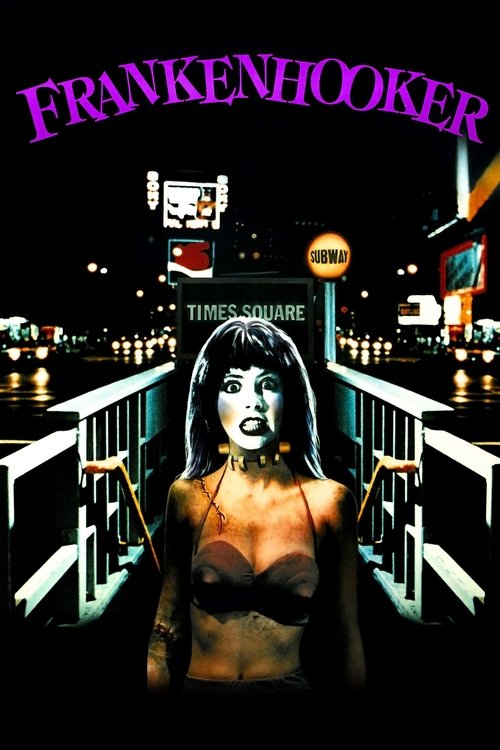
Frankenhooker is an underground exploitation film that prioritizes camp and grotesque aesthetics over traditional social representation. While it fails to provide meaningful LGBTQ+ or disability representation, it effectively subverts mainstream cultural norms through satire. The film’s strength lies in its postmodern critique of consumerist culture and the breakdown of traditional morality. However, its reliance on exploitation clichés results in a significant power imbalance, particularly in how it treats female characters.
Category Breakdown
The film lacks explicit LGBTQ+ representation and does not explore non-assuming gender matches what was assigned at birth identities. However, it employs a camp aesthetic that hints at queer themes but does not offer direct critiques of the assumption that everyone is straight or cisgender.
Women play central roles in the plot but are often portrayed as objects of male obsession and the male gaze. The film occasionally deconstructs the 'ideal woman' stereotype through exaggerated and grotesque failures.
The urban setting highlights underrepresented socioeconomic groups within a gritty red-light district. It focuses on diverse, hyper-underrepresented populations rather than an idealized, homogeneous cast.
The narrative excels by critiquing Western institutions such as medical ethics and legal authority. It portrays consumerism as treating the human body as disposable, assembly-line parts.
Themes of bodily integrity are explored through extreme physical trauma and horror clichés. These elements serve as metaphors for fragmentation rather than nuanced portrayals of disability or neurodivergence.
Present on Screen
Limited or Absent
Official Synopsis
A medical school dropout loses his fiancée in a tragic lawnmower incident and decides to bring her back to life. Unfortunately, he was only able to save her head, so he goes to the red light district in the city and lures prostitutes into a hotel room so he can collect body parts to reassemble her.
1985
1959
1990
1982
1993
1988

1994

1993
No reviews yet. Be the first to share your thoughts on this movie!
Use the rating form above to leave a star rating and optional review.