
Tropical Ecstasy
1970
No user ratings available yet
Representation score: 5.7 out of 10
Representation Score
Good
1976
Director
Marcel Camus
Runtime
105 minutes
Average Rating
No ratings yetNew Showbiz Analysis
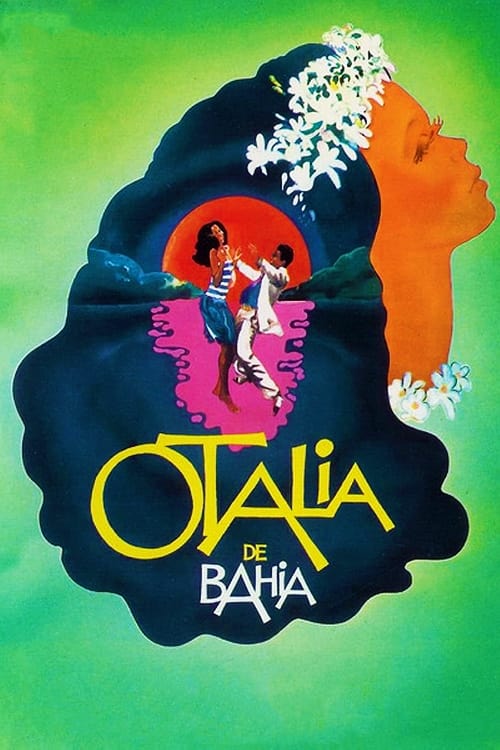
The film opens on the sweat and light of Salvador, Bahia, immediately grounding the viewer in the physical reality of the city’s working class. Marcel Camus, known for *Black Orpheus*, returns to this setting to tell the story of Otalia, a young prostitute whose innocence is tested by a city that offers no safety net. The sold meaning is one of collective endurance: the individual is crushed by the weight of history, but the community holds the line. The camera loves the faces of the protagonists, treating their poverty not as a spectacle of misery but as a lived dignity. The social structures—bureaucracy, police, wealth—are the joke, their incompetence and cruelty highlighted through the protagonists’ reactions. There is no savior; the system never pays a price, remaining a constant, indifferent background. The film’s argument is that in Bahia, the individual’s struggle is secondary to the collective’s survival. The ending settles on endurance rather than victory. Otalia does not escape her circumstances, but she is not broken by them. The last image is a moral verdict on the resilience of the marginalized: they are not rescued, but they are not alone. The film’s internal logic holds: the state is hollow, the community is real, and the city is both home and prison.
Category Breakdown
No queer presence. The plot tracks a straight romance between Otalia and a local man. No same-sex intimacy or identity appears in the frame.
Otalia, a prostitute, drives the action with agency rather than waiting for rescue. Community support replaces male saviors, though the ending settles into traditional domestic bonds.
Black and mixed-race actors anchor the cast as the default perspective. The camera treats their bodies and labor as the primary subject, reflecting Salvador’s demographics without tokenism.
Police and state act as cruel obstacles, while the local community provides moral support. Traditional faith is a lived fabric, and the city itself serves as the main antagonist.
No physical or cognitive impairments are depicted. The narrative focuses on economic precarity rather than medical or disability experiences.
Present on Screen
Limited or Absent
Official Synopsis
The adventures of Otalia, a strangely innocent young Brazilian prostitute who has just arrived in Salvador, Bahia. Though her belongings are stolen from her shortly after arrival, Otalia swiftly meets up with a group of charming and helpful friends.
1970
1961

1985

1973

1971

1996

1985

1966
No reviews yet. Be the first to share your thoughts on this movie!
Use the rating form above to leave a star rating and optional review.