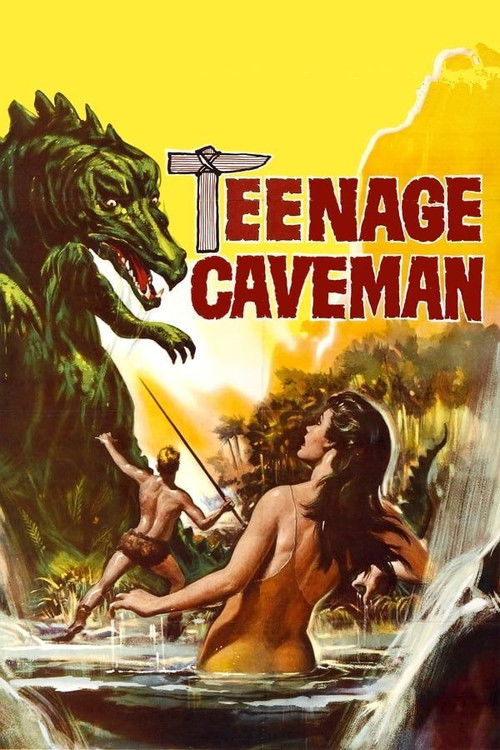
Teenage Cave Man
1958
No user ratings available yet
Diversity score: 1.5 out of 10

1951
ApprovedDirector
Spencer Gordon Bennet, Wallace Grissell
Runtime
287 minutes
Average Rating
No ratings yetSynopsis
Space hero Captain Video battles the evil Vultura on the planet Atoma.
Overall Score
Limited
Category Breakdown
LGBTQ+ Representation
The film lacks any evidence of LGBTQ+ characters or non-heteronormative identities. The narrative adheres to the strict heteronormative standards typical of 1951 serial filmmaking.
Gender Representation
Captain Video serves as a singular male protagonist embodying traditional leadership archetypes. While Vultura acts as a female antagonist, her villainy reinforces hierarchies by framing female power as something to be neutralized.
Racial & Ethnic Diversity
The production reflects the homogeneous demographic norms of early 1950s American media. The cast likely adheres to the era's standard of a predominantly white, Anglo-Saxon protagonist and supporting cast.
Religious & Cultural Diversity
The story operates within a framework of moral absolutism common to the space hero genre. The hero acts as a protector of order, reinforcing traditionalist values rather than offering cultural nuance.
Disability Representation
There is no evidence regarding the inclusion or portrayal of characters with physical or neurodivergent disabilities in this production.
Strengths
Areas for Improvement
AI Analysis
Captain Video, Master of the Stratosphere is a quintessential product of its era, prioritizing escapist adventure over social complexity. The film relies on established archetypes that reinforce mid-century social hierarchies rather than challenging them. The narrative structure is built around a central masculine hero and a clear moral binary. This approach limits the depth of character agency, particularly for female and non-white figures, who remain secondary to the status quo. Ultimately, the film functions as a traditionalist genre piece. It reflects the era's emphasis on stability and conventional heroism, offering little in the way of intersectional representation or cultural critique.
1958
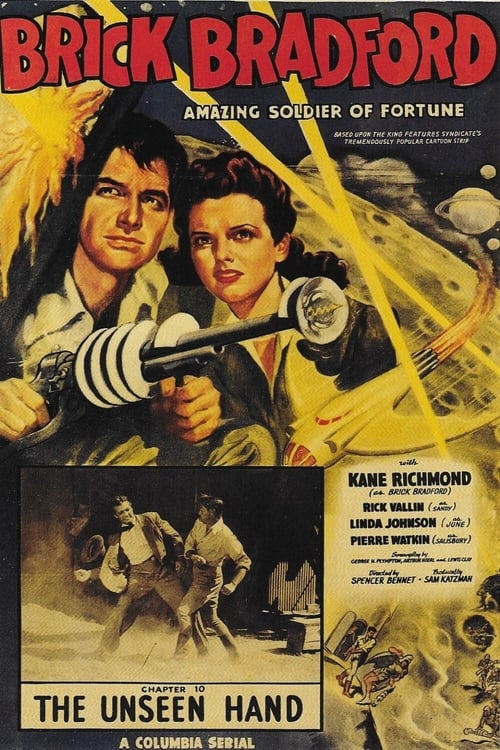
1947

1951
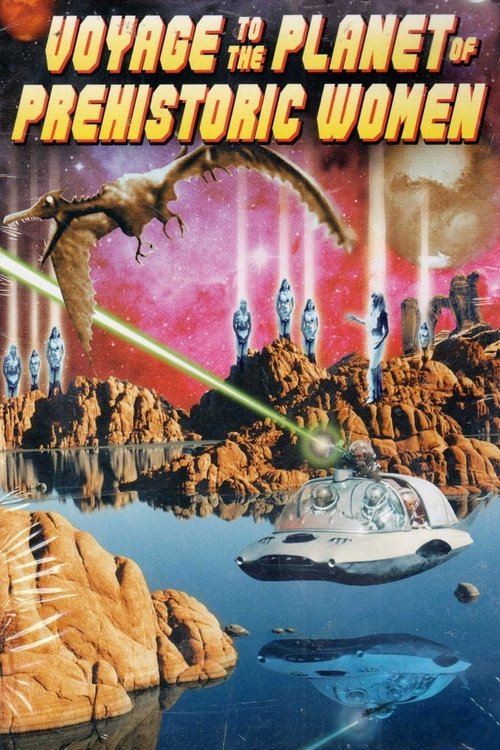
1968
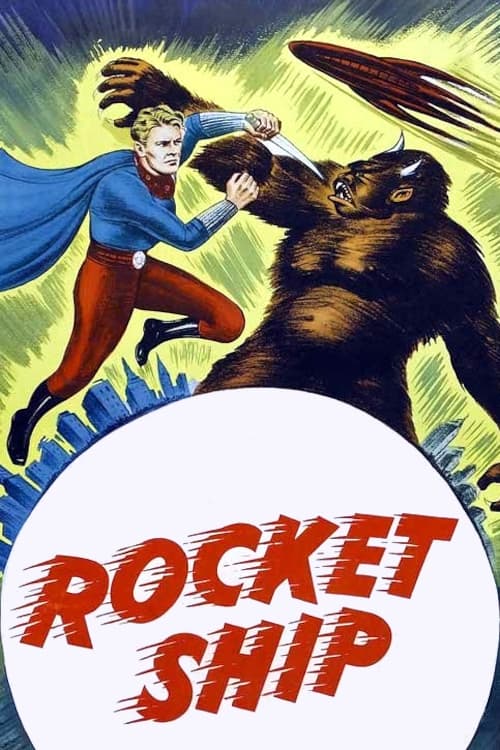
1938
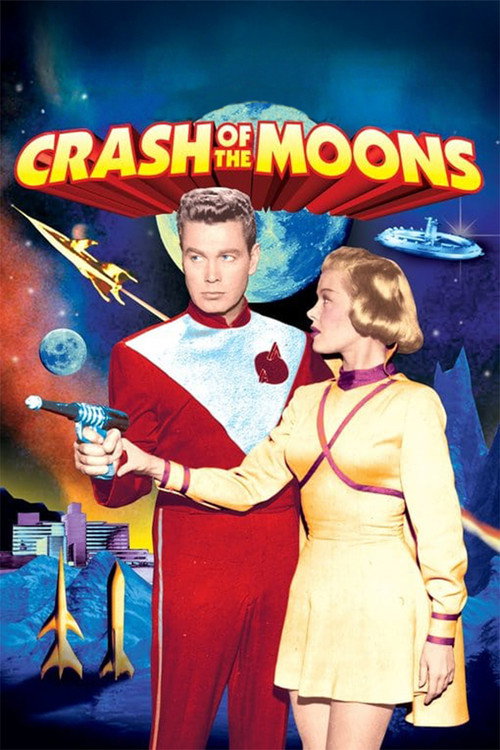
1954

1969
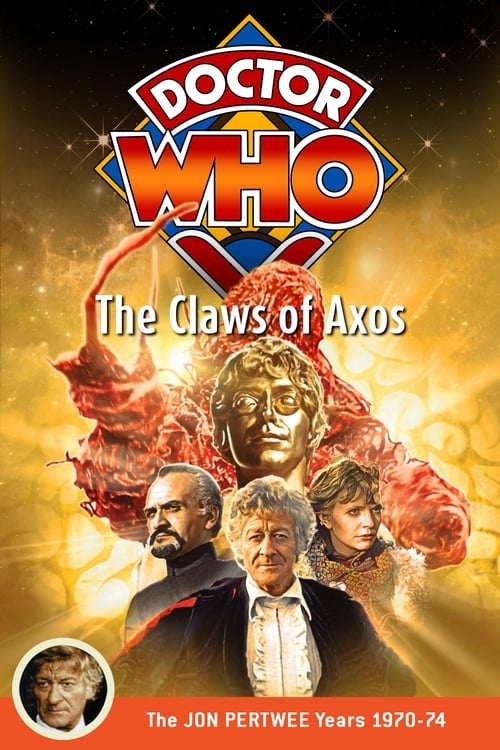
1971
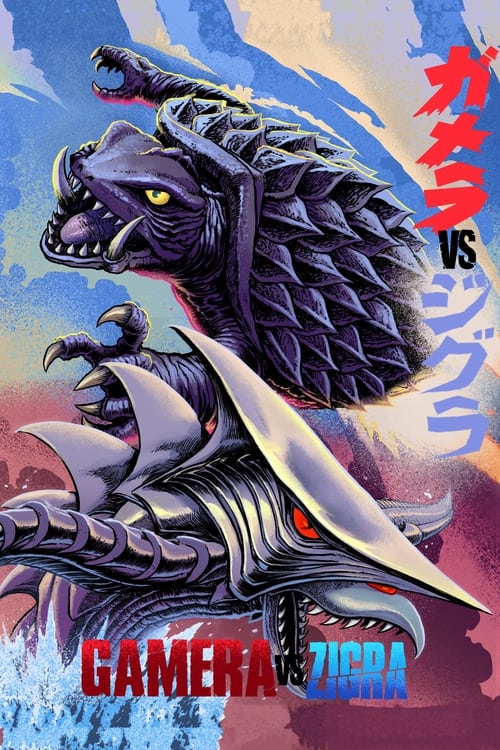
1971
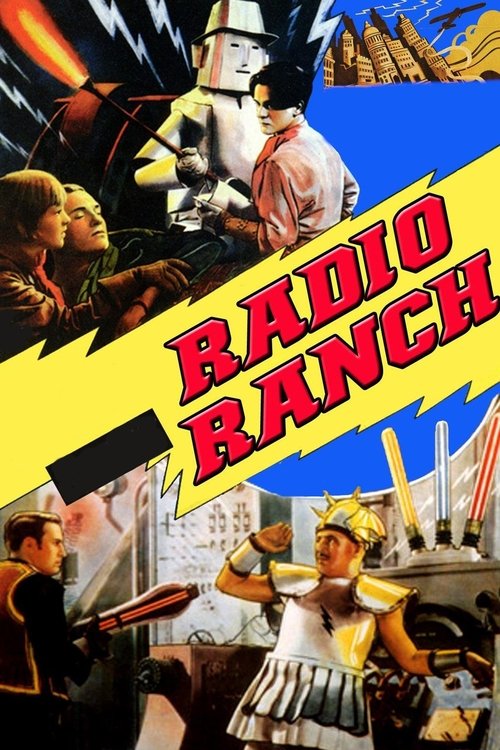
1940

1966
1902
No reviews yet. Be the first to share your thoughts on this movie!
Use the rating form above to leave a star rating and optional review.