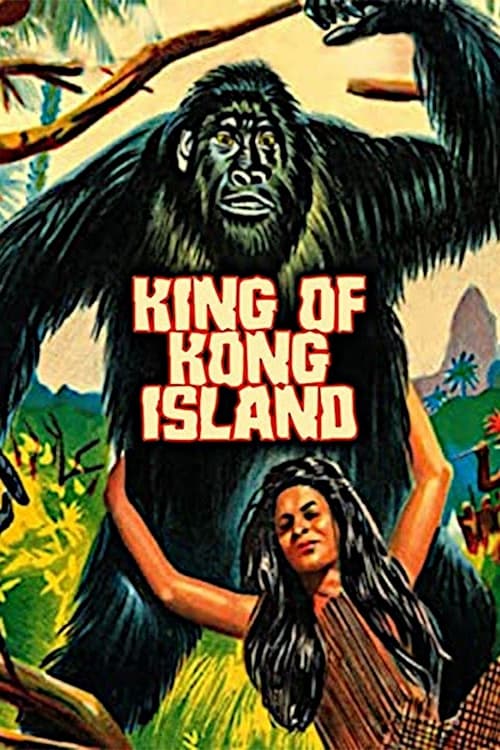
King of Kong Island
1968
No user ratings available yet
Representation score: 1.4 out of 10
Representation Score
Minimal
1970
PGDirector
Gordon Douglas
Runtime
105 minutes
Average Rating
No ratings yetNew Showbiz Analysis
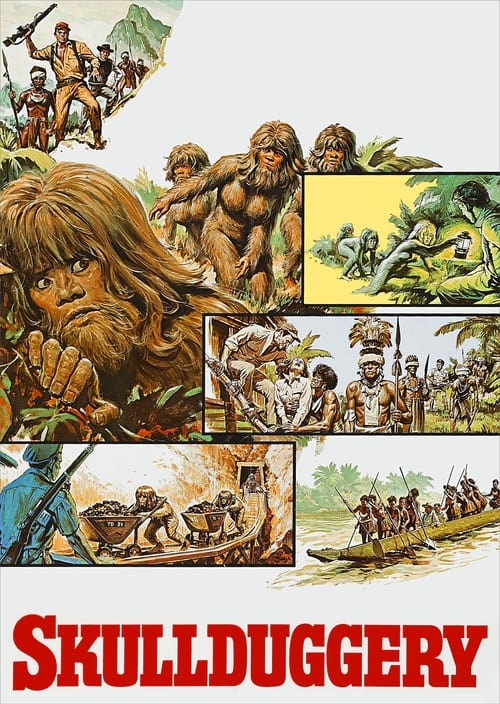
Skullduggery operates as a traditional mid-century adventure film that relies heavily on colonial-era storytelling frameworks. The narrative structure prioritizes Western discovery and scientific curiosity over the autonomy and ability to act of the indigenous populations encountered in Papua New Guinea. The film's reliance on the 'expedition' cliché suggests a lack of multi-layered depth. It appears to uphold established social hierarchies and traditional power dynamics rather than challenging them. Ultimately, the film's perspective is rooted in a Western-centric lens, utilizing clichés that historically sideline non-Western cultures and non-male characters.
Category Breakdown
The film does not include any characters with LGBTQ+ identities or non-cisgender traits. The story follows traditional character dynamics typical of its era.
Gender roles likely follow the expedition themes common in 1970s adventure cinema. This often places male characters in leadership roles while relegating women to secondary positions.
The premise of discovering 'ape-like' tribes may rely on dehumanizing stereotypes. This framing suggests a colonial evolutionary hierarchy rather than a nuanced portrayal of ethnic identity.
The story centers on a Western expeditionary narrative. It frames non-Western cultures as objects of scientific curiosity rather than as autonomous, self-governing societies.
There is no indication of characters with visible or invisible disabilities. The available context provides no information regarding the representation of disability.
Present on Screen
Limited or Absent
Official Synopsis
An expedition into the interior of Papua New Guinea comes across a tribe of ape-like people who may or may not be ancestors of early man.
1968
1961
1967

1949
1958

1954

1968

1970
No reviews yet. Be the first to share your thoughts on this movie!
Use the rating form above to leave a star rating and optional review.