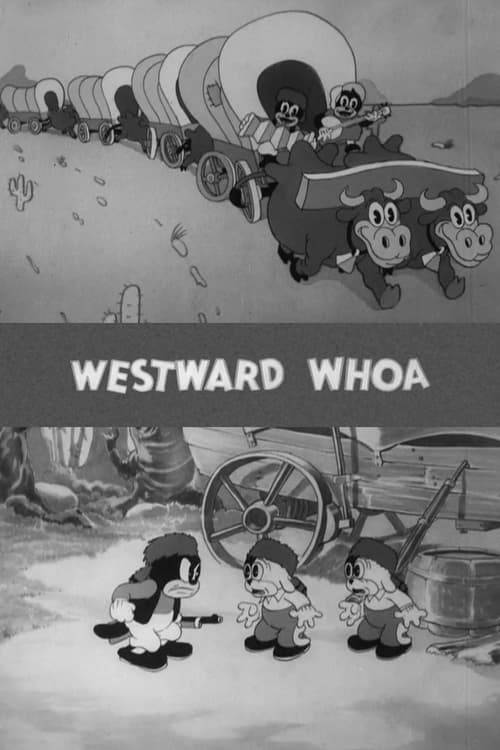
Westward Whoa
1936
No user ratings available yet
Representation score: 0.4 out of 10

Representation Score
Minimal
1934
ApprovedDirector
Jack King
Runtime
6 minutes
Average Rating
No ratings yetNew Showbiz Analysis
Viva Buddy is a product of its time, reflecting the standard social hierarchies and clichés of 1930s animation. The narrative structure relies on conventional Western comedic forms rather than complex, layered representations. The film lacks representation for LGBTQ+ individuals and characters with disabilities. Its portrayal of Mexican culture and gender roles appears to follow simplified, non-challenging patterns typical of the period's animation.
Category Breakdown
The film does not include any LGBTQ+ characters or narratives, sticking to traditional gender roles typical of 1930s animation.
Male characters play key roles following the masculine archetypes of the Buddy character cliché. There is no challenge to traditional gender hierarchies.
Set in Mexico, the film likely uses simplified cultural clichés common to 1930s Westerns. It lacks nuanced or actively leading representation for Mexican characters.
The story follows traditional Western comedic structures that reinforce established social norms. It does not attempt to question institutions or promote moral relativism.
There is no indication of characters with disabilities portrayed with real power. Physical differences in this era were often used as comedic devices rather than nuanced depictions.
Present on Screen
Limited or Absent
Official Synopsis
Buddy goes to Mexico.
1936

1933
1937

1938
1939
1938
1939
1924
No reviews yet. Be the first to share your thoughts on this movie!
Use the rating form above to leave a star rating and optional review.