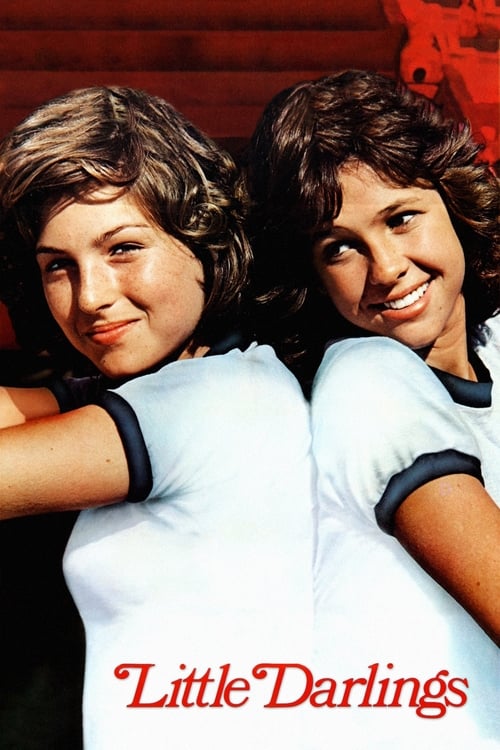
Little Darlings
1980
No user ratings available yet
Representation score: 2.7 out of 10

Representation Score
Fair
1982
PGDirector
Joseph L. Scanlan
Runtime
90 minutes
Average Rating
No ratings yetNew Showbiz Analysis
Spring Fever stands out as a pioneering work of independent cinema that explores the tension between youthful exploration and rigid social structures. While it may seem like a light-hearted coming-of-age story, the film delves into the complexities of queer identity and challenges the conventional expectations of the early 1980s. By centering non-traditional relationships, it provides characters with significant roles in driving the story, offering a nuanced look at identity formation. However, the film is limited by the demographic homogeneity of its time. It lacks racial and ethnic diversity, focusing primarily on a predominantly white cast and failing to engage with perspectives that reflect multiple aspects of identity.
Category Breakdown
The film is an important early example of storytelling that explores the internal emotions and desires of queer individuals, highlighting their experiences against societal pressures.
The narrative breaks away from traditional romantic storylines by focusing on a male-male relationship, challenging the default expectation of heterosexual pairings.
The production utilizes a predominantly white cast, reflecting the demographic homogeneity of early 1980s independent regional dramas. It does not actively engage with racial the way different parts of someone's identity overlap.
The film critiques the strictness of traditional Western social norms, presenting the protagonists' journey as a search for personal truth within a restrictive small-town setting.
There is no discernible evidence regarding the portrayal of physical or neurodivergent disabilities within the film.
Present on Screen
Limited or Absent
Official Synopsis
Sexy Las Vegas showgirl Stevie Castle and society snob Celia Berryman are two tough-minded mothers of two very precocious young tennis champs. This unlikely duo meet and immediately clash at a tennis tournament which will name one of their daughters national champion. Meanwhile, young KC and Missy are caught up in their mothers' battle - until a mutual love of tennis draws them together to conspire to break away from the pressures of competition. The girls decide to spend 24 hours doing every wild and crazy thing they had ever dreamed up... and end up learning a lesson in grown up ways that will last them forever.
1980

1966
1986
1969
1989
1998
2000
2021
No reviews yet. Be the first to share your thoughts on this movie!
Use the rating form above to leave a star rating and optional review.