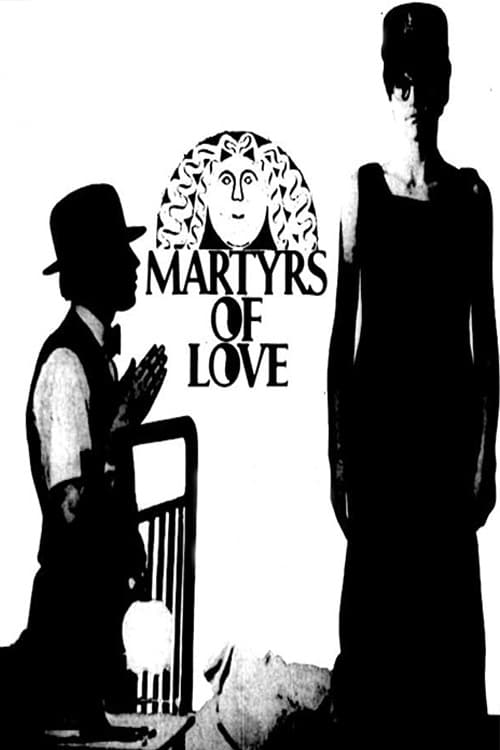
Martyrs of Love
1967
No user ratings available yet
Diversity score: 4.8 out of 10

1991
Director
Ondřej Trojan
Runtime
103 minutes
Average Rating
No ratings yetSynopsis
A comedy on a typical children summer camp from the socialist time, telling the truth about it: combination of strange cynical leaders, absent-minded young assistants with complexes, teenage girls desperately in love with them etc. What a pioneer camp pretended to be and what it really was about. All this produces many embarrassing situations.
Overall Score
Fair
Category Breakdown
LGBTQ+ Representation
The film explores adolescent desire through teenage girls' infatuations with camp assistants. While specific queer identities are not confirmed, the narrative focuses on the disruption of sanctioned social norms.
Gender Representation
The story subverts traditional masculine authority by portraying leaders as cynical and assistants as vulnerable. This approach replaces the trope of the competent leader with characters burdened by personal complexes.
Racial & Ethnic Diversity
Set in a 1991 Czechoslovakian context, the film likely features an ethnically homogeneous cast. The narrative prioritizes internal social and class dynamics over racial or ethnic intersectionality.
Religious & Cultural Diversity
The film offers a sharp critique of state-mandated morality and institutional idealism. It contrasts the official pioneer camp facade with a cynical, messy reality to expose systemic pretenses.
Disability Representation
There is no mention of characters with visible or invisible disabilities within the provided narrative details.
Strengths
Areas for Improvement
AI Analysis
Let's All Sing Around serves as a satirical deconstruction of socialist-era institutions. By focusing on the gap between state ideology and the dysfunctional reality of a summer camp, the film prioritizes human fallibility over institutional perfection. The narrative excels at dismantling traditional power hierarchies. Instead of presenting idealized leaders, it highlights the inadequacy and cynicism of those in charge, offering a sophisticated social commentary on systemic facades. However, the film's scope is limited by its specific historical and geographic setting. The focus remains on internal social structures, leaving little room for broader racial or LGBTQ+ visibility.
1967

1990

1986

1977

2006
No reviews yet. Be the first to share your thoughts on this movie!
Use the rating form above to leave a star rating and optional review.