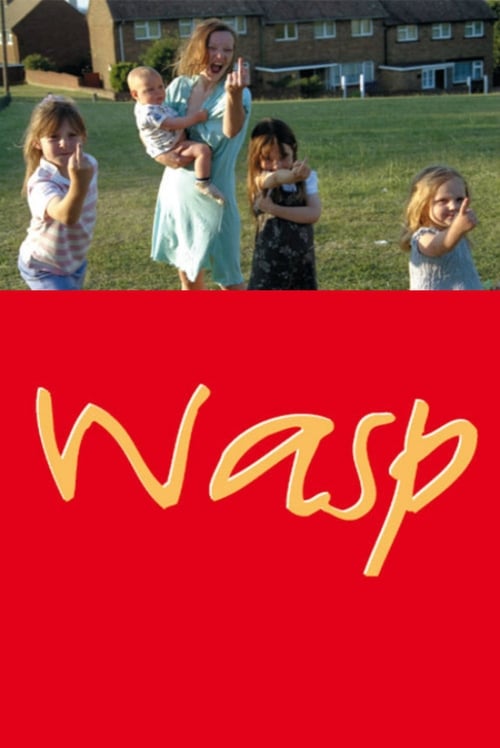
Wasp
2003
No user ratings available yet
Representation score: 7.7 out of 10

Representation Score
Good
2004
Director
Amma Asante
Runtime
91 minutes
Average Rating
No ratings yetNew Showbiz Analysis
Amma Asante delivers a poignant study of overlapping struggles, centering a Black female protagonist whose autonomy is constantly challenged by state institutions. The film avoids moralizing the characters' survival tactics, instead framing their actions as a logical response to systemic neglect. The narrative structure effectively disrupts conventional expectations of social stability. By prioritizing the experiences of those typically sidelined and critiquing the intrusive nature of Western social structures, the film achieves a high level of progressive complexity. While the film excels in racial and cultural representation, it lacks explicit LGBTQ+ visibility and does not center characters with diagnosed disabilities.
Category Breakdown
The film lacks explicit LGBTQ+ characters or narratives. The story focuses entirely on the protagonist's psychological and socioeconomic struggles.
Leigh-Anne is a central figure whose role is tested by systemic pressures. The film avoids traditional male-led hierarchies, focusing instead on the complexities of female-led survival.
The narrative centers Black lived experiences within an urban setting. A Turkish neighbor adds ethnic complexity to the neighborhood's social fabric.
The film critiques Western institutions by portraying state intervention as a source of oppression. Survival mechanisms are framed as responses to systemic economic exclusion.
While no character has a diagnosed disability, the protagonist displays significant psychological distress and paranoia. These mental health challenges drive the plot's tension.
Present on Screen
Limited or Absent
Official Synopsis
At 17 Leigh-Anne Williams has a six month old baby to look after, with only the help of three teenage squatters who flog stolen gear to make ends meet. A neighbour (actually from Turkey) across the street becomes target to her growing paranoia that Social Services are going to take her daughter, Rebecca, away from her. Her behaviour becoming increasingly desperate as her delusions over her neighbour grow.
2003
1994
2013

2023

1997

1999
2006

2005
No reviews yet. Be the first to share your thoughts on this movie!
Use the rating form above to leave a star rating and optional review.