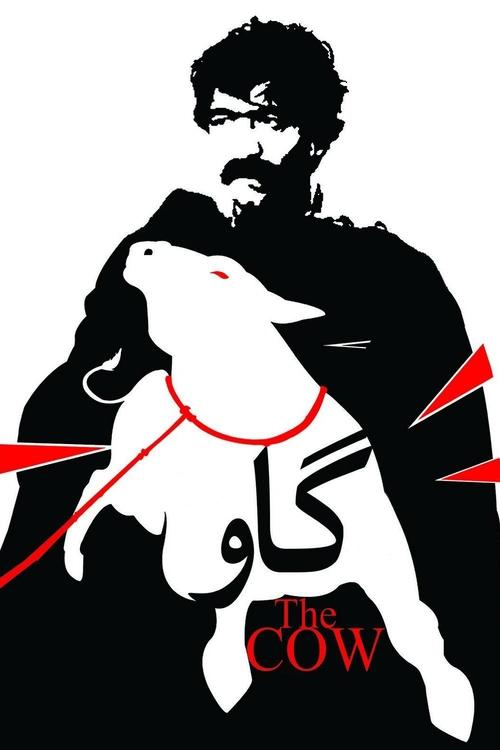
The Cow
1969
No user ratings available yet
Diversity score: 5.9 out of 10
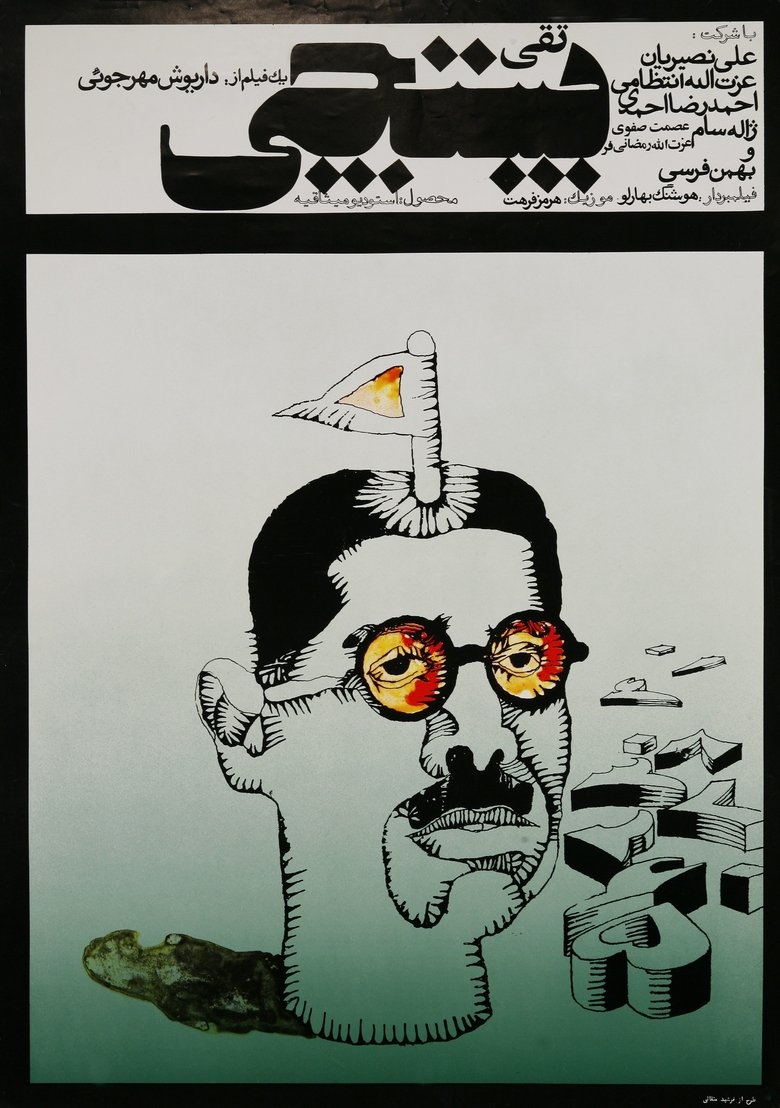
1972
Director
Dariush Mehrjui
Runtime
107 minutes
Average Rating
No ratings yetSynopsis
A political metaphor based on Buchner's "Woyzeck": a simpleminded mailman ends up committing a murder.
Overall Score
Fair
Category Breakdown
LGBTQ+ Representation
The film focuses on a male protagonist's isolation within a traditional rural framework. It lacks narratives that challenge heteronormativity or present non-cisnormative identities.
Gender Representation
The story depicts a traditional social hierarchy common to mid-century rural settings. While not actively misogynistic, it lacks female characters with significant agency.
Racial & Ethnic Diversity
The production excels in authentic cultural immersion by centering an Iranian cast. It avoids a Western-centric lens by prioritizing indigenous social realities and linguistic authenticity.
Religious & Cultural Diversity
The narrative uses political metaphor to critique social structures and the breakdown of communal bonds. It explores the friction between individuals and stagnant institutions.
Disability Representation
The protagonist possesses a degree of intellectual simplicity used to explore his vulnerability. The film treats his condition as a psychological facet rather than a trope.
Strengths
Areas for Improvement
AI Analysis
Dariush Mehrjui’s work serves as a powerful tool for social critique, utilizing realist aesthetics to examine the tensions of a transitioning society. The film's strength lies in its post-colonial perspective and its ability to deconstruct the relationship between the individual and the state. While the film lacks engagement with contemporary identity politics regarding gender or LGBTQ+ subversion, it offers deep psychological insight. It successfully uses the protagonist's alienation to highlight the rigidity of social institutions and traditional power dynamics. The production is most successful in its ethnic and cultural authenticity, providing a localized perspective that resists external demographic norms.
1969
1990
1968
1987
1974
2009
1970
1972
1948
1976

2010
1977
No reviews yet. Be the first to share your thoughts on this movie!
Use the rating form above to leave a star rating and optional review.