
Fools and a Girl
1988
No user ratings available yet
Representation score: 4.1 out of 10
Representation Score
Good
1995
Director
Jaromil Jireš
Runtime
0 minutes
Average Rating
No ratings yetNew Showbiz Analysis
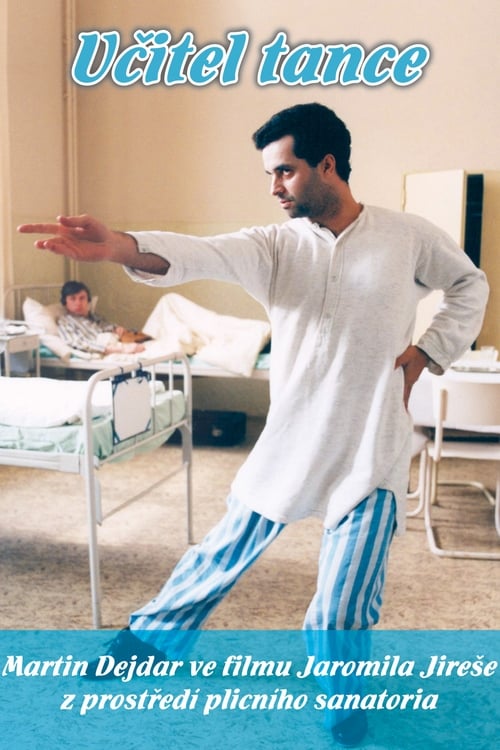
Učitel tance is a character-driven drama that finds its strength in how it handles the theme of chronic illness. By centering on Mayer's active fight against tuberculosis through dance, the film avoids treating disability as a purely tragic plot device. While the film excels in portraying psychological ability to act and the rebellion against institutional rigidity, it remains demographically limited. The historical setting of a 1940s European sanatorium results in a lack of racial and LGBTQ+ diversity. Ultimately, the film's value lies in its existentialist perspective. It challenges the inevitability of medical diagnoses, focusing on the human spirit's ability to reclaim ability to act within oppressive structures.
Category Breakdown
The film does not include any explicit representation of LGBTQ+ identities or relationships that go beyond the assumption that everyone is straight. The narrative focuses on connections through dance, but there is no clear indication of non-straight relationships or identities.
The story centers on a male protagonist named Mayer, who actively resists the passive role typically associated with sickness. His actions suggest a challenge to traditional power structures within the sanatorium.
Set in a 1940s European sanatorium, the cast appears historically homogeneous. There is no evidence of racial diversity or non-white representation within this specific setting.
The film emphasizes individual ability to act over institutional fatalism. It uses dance as a tool for psychological liberation, favoring an existentialist approach to mortality over somber traditions.
Tuberculosis is portrayed through a lens of resilience rather than mere tragedy. Mayer uses physical expression to transform his environment, avoiding the clichés of passive suffering.
Present on Screen
Limited or Absent
Official Synopsis
A special story about love, dance, and immortality takes place in the late 1940s. A young man, dance master Mayer, arrives at a pulmonary sanatorium. His diagnosis is serious—tuberculosis. However, he does not give in to his illness and begins to actively fight it with dance and optimism. Gradually, he wins over other patients who had previously resigned themselves to their fate. Soon, however, his illness breaks out in full force and insidiousness. Facing death, he embodies human courage and a positive attitude towards life.
1988

2016
1982

1980
1964
1984

1995

2015
No reviews yet. Be the first to share your thoughts on this movie!
Use the rating form above to leave a star rating and optional review.