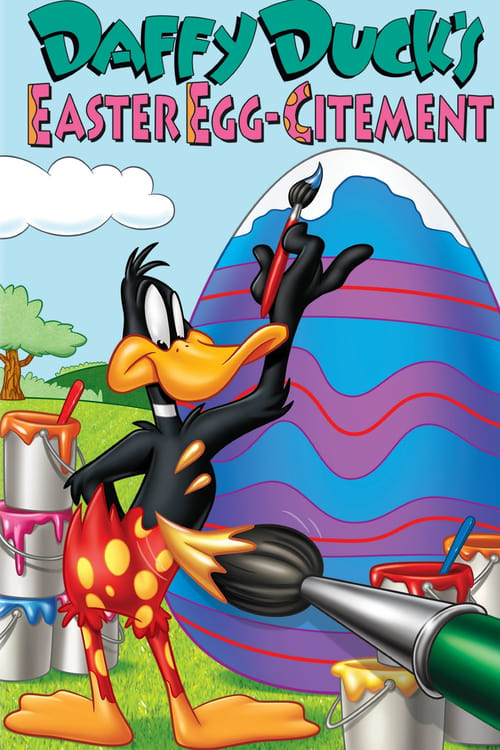
Daffy Duck's Easter Egg-Citement
1980
No user ratings available yet
Representation score: 0.4 out of 10

Representation Score
Good
1974
Director
Gordon Bellamy, Chris K. Ishii, Jimmy T. Murakami
Runtime
22 minutes
Average Rating
No ratings yetNew Showbiz Analysis
The special serves primarily as a vehicle for institutional skepticism and anti-establishment sentiment. It uses satire to frame Western industrial and social structures as sites of absurdity and dysfunction. While it lacks modern representation of diverse identities, its strength lies in its deconstruction of 'normal' American life through a cynical, secular lens. Ultimately, the production reflects the era's limitations, prioritizing slapstick and social mockery over proactive subversion of gendered or racial power dynamics.
Category Breakdown
The special uses slapstick humor and situational parody instead of focusing on explicit LGBTQ+ identities. While it mocks idealized American social norms, there are no characters or narratives centered around LGBTQ+ experiences.
The sketches parody settings like hospitals and factories to show traditional leadership as incompetent or absurd. This challenges the idea of expertise, although the parodies often reflect the era's existing social norms.
The content focuses on parodies of Western cultural touchstones like The Godfather. There is no immediate evidence of characters of color playing significant roles in driving the narrative within this 1974 animation.
The special excels in institutional critique by parodying American car factories and medical establishments. It prioritizes a cynical, anti-authoritarian perspective that deconstructs traditional Western social norms.
Disability is used as a comedic device or visual gag typical of 1970s animation. There is no evidence of neurodivergent or physically disabled characters having significant roles in the narrative.
Present on Screen
Limited or Absent
Official Synopsis
An animated adaptation of the notorious satire comic magazine. The skits include a look at a modern American car factory, the inner workings of a hospital, and a parody of The Godfather.
1980
1977
1968
2010
1990

2007
1976
1963
No reviews yet. Be the first to share your thoughts on this movie!
Use the rating form above to leave a star rating and optional review.