Apocalypse Island
2010
No user ratings available yet
Representation score: 3.0 out of 10
Representation Score
Fair
2015
PGDirector
Elisabeth Thieriot
Runtime
83 minutes
Average Rating
No ratings yetNew Showbiz Analysis
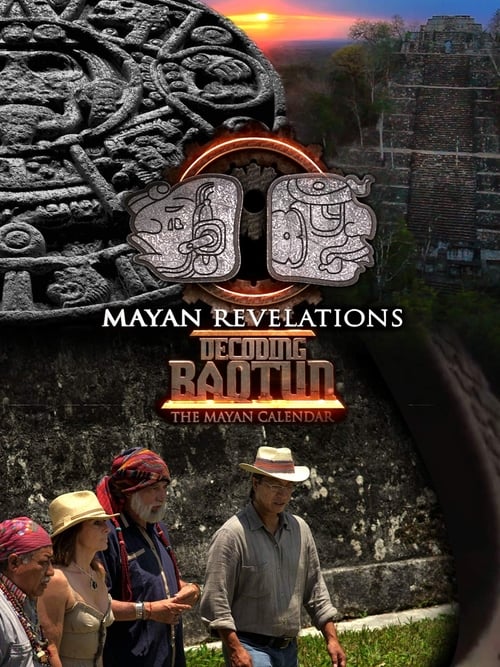
Mayan Revelations: Decoding Baqtun succeeds in deconstructing colonial narratives by treating indigenous descendants as active intellectual partners. By integrating 'Abuelos' alongside scientists, the film moves beyond the traditional observer-versus-observed dynamic found in many historical documentaries. While the film lacks representation for LGBTQ+ identities or disability, it provides significant value through its cultural and racial depth. It effectively challenges Western intellectual hegemony by centering non-Western ways of knowing. Ultimately, the documentary functions as a bridge for cross-cultural knowledge exchange, prioritizing spiritual and scientific synthesis over purely materialist Western perspectives.
Category Breakdown
The film does not include explicit LGBTQ+ characters or stories. Instead, it focuses on scientific and spiritual inquiries.
Elisabeth Thieriot breaks down academic hierarchies by serving as the central protagonist and investigator. This challenges the male-dominated explorer cliché common in anthropological media.
The narrative highlights the importance of Mayan 'Abuelos' as key knowledge-holders. This collaborative framework elevates indigenous perspectives to a position of intellectual authority.
The documentary explores non-Western knowledge systems by linking cosmic cycles to spiritual wisdom. It respects indigenous holistic knowledge alongside Western scientific frameworks.
There is no evidence of disability, neurodivergence, or chronic illness being central themes or character traits in this work.
Present on Screen
Limited or Absent
Official Synopsis
Filmmaker and author, Elisabeth Thieriot, embarks on an epic journey of discovery through the jungles of the Yucatan Peninsula and Guatemala to dispel the myths about "the December 21st 2012 end of the world" conspiracy theories surrounding Aztec and Mayan Calendars. Specifically, the mystery of the "B'aqtun", also known as the measurement of time that the Mayans identified as a 3,300 year cycle. Along her journey, Elisabeth discovers a connection between repeatable cycles in the cosmos, nature, and human existence. Discoveries which lead Elisabeth to revelations of wisdom residing within the living Mayan descendants known as "Abuelos" who share their knowledge of the intricate workings of time, the cosmos, and our connection to earth science on a spiritual and scientific level. In this film, a team of Scientists, Historians, and the Native Mayan "Abuelos" work together to Decode the Baqtun.
2010
2022
2008
2013
2011
2017
2007
2007
No reviews yet. Be the first to share your thoughts on this movie!
Use the rating form above to leave a star rating and optional review.