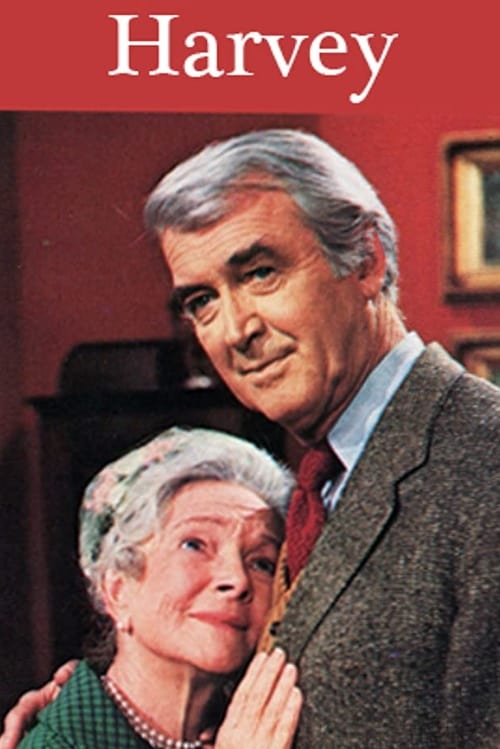
Harvey
1972
No user ratings available yet
Representation score: 4.3 out of 10
Representation Score
Limited
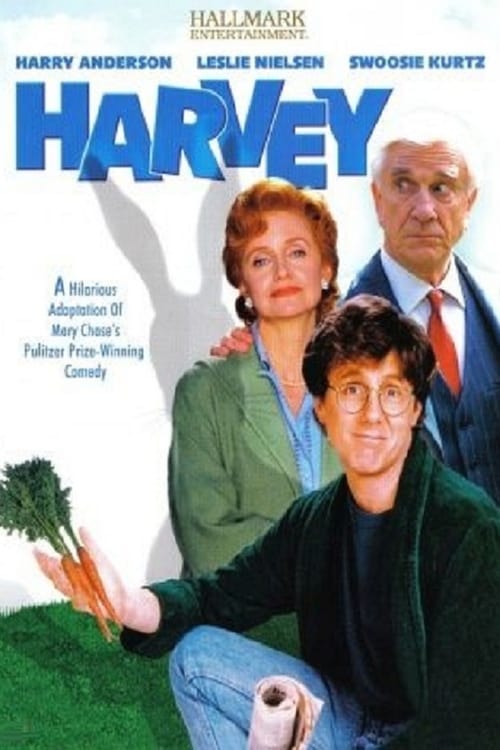
1996
Director
George Schaefer
Runtime
120 minutes
Average Rating
No ratings yetNew Showbiz Analysis
Harvey is a traditional period piece that focuses on character development rather than modern diversity. It lacks representation of diverse races and LGBTQ+ identities, staying within a homogeneous mid-century social framework. However, the film offers a compassionate view of mental health issues. By depicting the 'rational' characters as antagonists, it questions social elitism and celebrates individuality. Overall, the film serves as a gentle critique of societal rigidity, while still adhering to the conventions of classic storytelling.
Category Breakdown
The film sticks to traditional social norms and does not include any characters with non-binary gender identities or same-sex relationships.
Female characters like Veta and Myrtle Mae play significant roles in the story, but their actions revolve around social climbing. The narrative follows mid-century gender roles and a traditional patriarchal structure.
The film's setting is predominantly white, reflecting the era's segregated society. There are no attempts to diversify the cast or break from demographic norms.
The story criticizes the pretentiousness and rigidity of high society. It emphasizes individual morality and eccentricity over strict social conformity.
The film portrays neurodivergence with respect and dignity, avoiding mockery. It challenges medical authority by showing the protagonist's humanity despite his condition.
Present on Screen
Limited or Absent
Official Synopsis
An unlikely hero, Elwood P. Dowd. This mild-mannered-but-eccentric bachelor has, for several years, happily kept company with Harvey, a six-foot-tall rabbit that only he can see. All's well until Elwood's social-climbing sister, Veta, and her teenage daughter, Myrtle Mae, come to live with him and fear his odd behavior will undermine their ambitions. When Elwood disrupts the ladies' first afternoon tea party by introducing wealthy Aunt Ethel Chauvenet to Harvey, Veta sees that something must be done right away. She takes compliant Elwood to the Chumley Rest Home, leaving him in the car while she tells a Dr. Sanderson all about Elwood and Harvey. Sanderson concludes that Veta is the psychotic one and has her carted off to be committed. Meanwhile Elwood is treated with respect and dignity in light of his sister's mental state. When Dr. Chumley, head of the rest home, returns and hears of the case, he draws the opposite conclusion-that Elwood in fact hallucinates.
1972
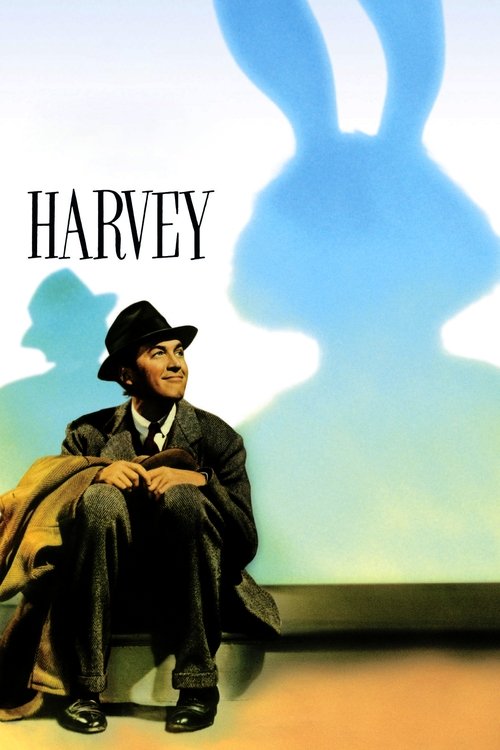
1950
1991

2007
No reviews yet. Be the first to share your thoughts on this movie!
Use the rating form above to leave a star rating and optional review.